Bentley Torcal: The First Electric Bentley, but Not Built From Scratch
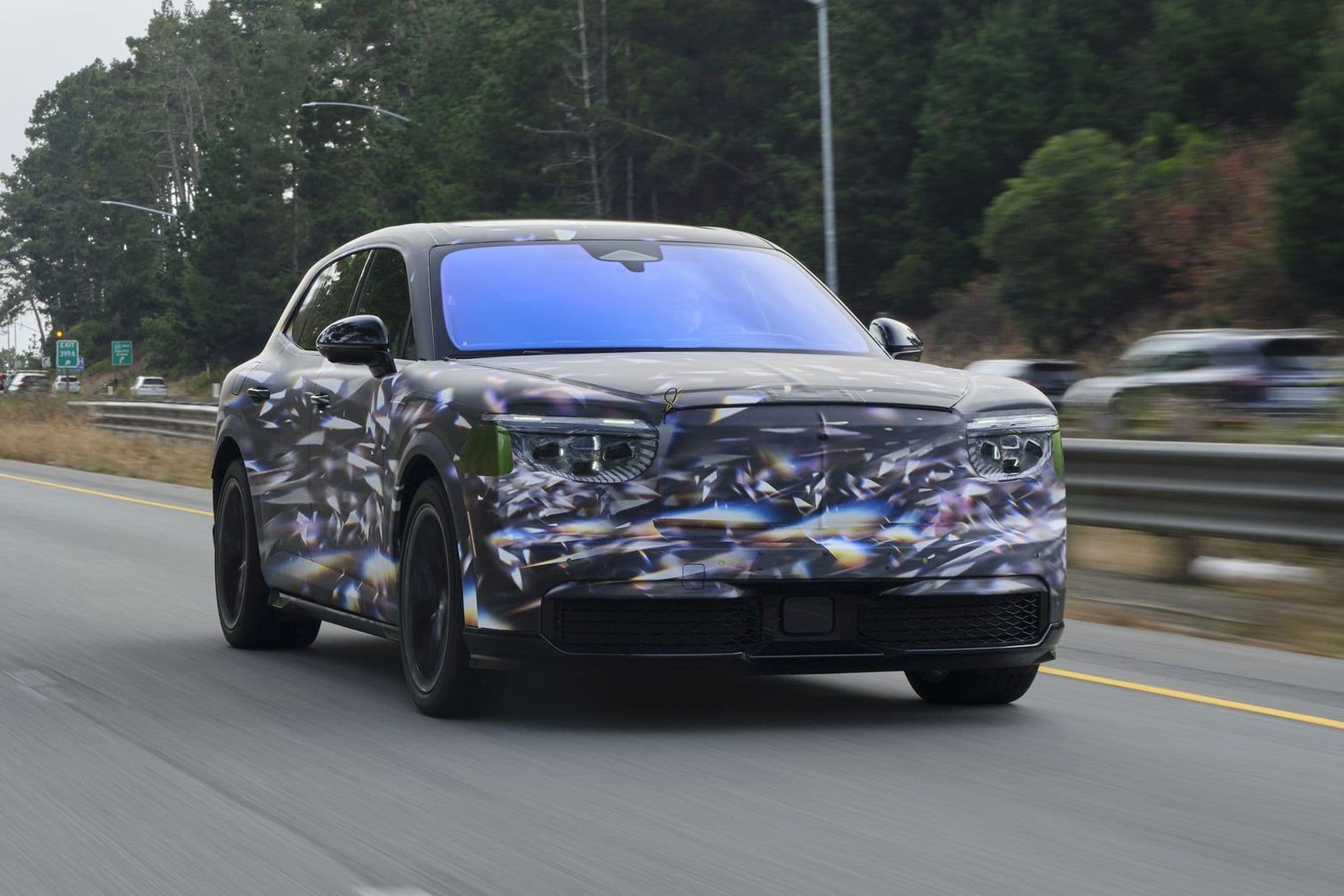
The Bentley Torcal marks a major step for the British luxury brand: It is Bentley’s first all-electric model and takes the form of a crossover SUV. Simply being electric will not be enough to win over Bentley’s traditional clientele. What matters is how confidently the Torcal combines comfort, performance and brand character.
Technically, the Torcal is not a standalone development but benefits from synergies within the Volkswagen Group. That is normal in this vehicle class, as 800-volt architecture, high-performance charging and modern suspension control systems are expensive to develop. Bentley is using a platform that also underpins models from the Group’s sportier brands, but intends to shift it noticeably toward luxury and a distinct “Bentley feel.”
PPE Platform, 113 kWh and 400 kW Charging: The Core Technology
The Premium Platform Electric (PPE) serves as the foundation. A key component is a 113-kWh battery featuring 192 pouch cells, according to the source, which is expected to give the Torcal a range of more than 600 km. Bentley emphasizes that this figure should be achieved with a fully equipped vehicle rather than an artificially optimized “laboratory version.”
For fast charging, Bentley quotes a maximum charging power of up to 400 kW. Charging from 10 to 80% is expected to take less than 20 minutes. In everyday use, that means brief charging stops on long journeys—provided that suitable high-power charging (HPC) infrastructure can reliably deliver that output and the battery’s thermal management system can sustain the pace.
What That Means in Everyday Use
- Long-distance driving: A target range of more than 600 km reduces the need for charging stops, although real-world consumption will determine the benefit, especially at high highway speeds.
- Charging time: Less than 20 minutes from 10 to 80% is an exceptionally strong figure in the luxury SUV class, provided the charging curve does not drop off too early.
- Weight: Around 2.7 metric tons is substantial, making regenerative braking, tires and suspension tuning especially important.
Plenty of Power, but Bentley Wants to Deliver More Than Numbers
The Torcal is expected to offer 653 kW and 1,350 Nm. In launch mode, it is claimed to accelerate from 0 to 100 km/h in under 3 seconds. That is super-SUV territory and demonstrates how far the technology has advanced, even in a heavy luxury crossover.
At the same time, Bentley deliberately puts those figures into perspective: High power does not automatically make a car better. The message is clear: The Torcal is intended to prioritize drivability and the overall package, not just bragging-rights figures.
Suspension: “Bentleyfication” Rather Than a Direct Carryover
The suspension is particularly interesting. Bentley uses air suspension and adaptive dampers whose rebound and compression can be controlled separately. The underlying system is regarded as highly capable within the Volkswagen Group, but Bentley explicitly intends to tailor it to the brand’s own character.
According to the description, the Torcal will receive only the top version of the system. Instead of conventional anti-roll bars, body roll is to be controlled through the active dampers, which use a motor-pump unit on each axle. Bentley says it has modified the hardware and, above all, the tuning to make the differences between the modes more pronounced.
Drive Modes and Ground Clearance: Comfortable, Sporty and Off-Road Capable
Several programs are available, including Comfort, Bentley, Sport, Refresh, as well as off-road modes such as Dirt & Trail and Snow & Grass. “Refresh” is designed to counter fatigue, for example by supplying cooler air to the cabin. This aligns with the ambition to position the Torcal as a long-distance touring car rather than merely a performance SUV.
The air suspension changes the vehicle’s ride height depending on the mode and speed. In the off-road settings, the body can be raised by up to 55 mm. Bentley also emphasizes off-road capability approaching that of the Bentayga, achieved by firming up the suspension in the off-road programs.
| Situation | Ride-Height Change According to the Description |
|---|---|
| High speed, depending on the mode | Lowered by up to 30 mm |
| Sport mode (lowered earlier) | 15 mm lower even at reduced speeds, later increasing to 30 mm |
| Off-road (maximum) | Raised by up to 55 mm |
Steering, Body Movement and the “Driver’s Car” Ambition
Bentley does not want the driving experience to feel sterile or completely smoothed over. The Torcal is intended to lean slightly through fast corners, giving the driver a better sense of the vehicle’s limits. It is an interesting approach because, while many modern high-tech suspension systems provide extreme stability, they can sometimes communicate less feedback.
The steering is also intended to feel calm around the straight-ahead position and become progressively more direct as the steering angle increases. Bentley is also adjusting the accelerator-pedal mapping and brake feel. The Bentley Continental GT serves as the reference for the Torcal’s character, clearly pointing to a setup that aims to be more “grand tourer” than “track tool.”
Driver Assistance up to Level 2+ and a Special Parking Feature
The assistance package is described as offering Level 2+ capability. One special detail is that the Torcal will be the first Bentley able to perform a learned parking maneuver along a route of up to 200 m, although the driver must remain inside the vehicle.
The parking function offers three very low speed settings: 3 km/h, 6 km/h and 10 km/h. One practical feature is that pressing the brake does not cancel the maneuver entirely but merely pauses it. This sounds more useful in tight garages or tricky driveways than in a supermarket parking lot.
Interior: Less Screen Show, More “Phygital”
Rather than opting for “even larger displays,” Bentley combines digital functions with high-quality, tactile controls in the Torcal. The brand calls this “Phygital,” meaning a combination of physical and digital elements. That could be a genuine differentiator in the luxury segment, where many premium EVs now rely heavily on touch-only controls.
Comfort features include an automatically closing door after occupants fasten their seat belts, as well as camera-based driver recognition to load personal settings. The experience is consistently designed around simply getting in and setting off.
Electric Bentley Sound: Deliberately Not Synthetic
Sound remains an emotional subject. Bentley does not want an exaggerated sci-fi soundtrack, but rather a composed, musically structured sound inspired by a historic 6.75-liter V8. Interestingly, the sound is not intended to come solely from a computer; real instruments were also reportedly used to preserve natural variations and “imperfection.”
The sound is more prominent in some drive modes, but it can also be switched off completely. For many buyers in the luxury segment, that freedom of choice is important: emotional when desired, but otherwise as quiet as possible.
Assessment: Group Technology as the Foundation, Bentley Character as the Goal
Bentley’s decision to base its first electric car on a strong platform and proven Volkswagen Group components is more of an advantage than a shortcoming. What matters is whether the “Bentleyfication” proves convincing in the details: no concessions in the suspension, but a clear focus on comfort, composure and a coherent control concept.
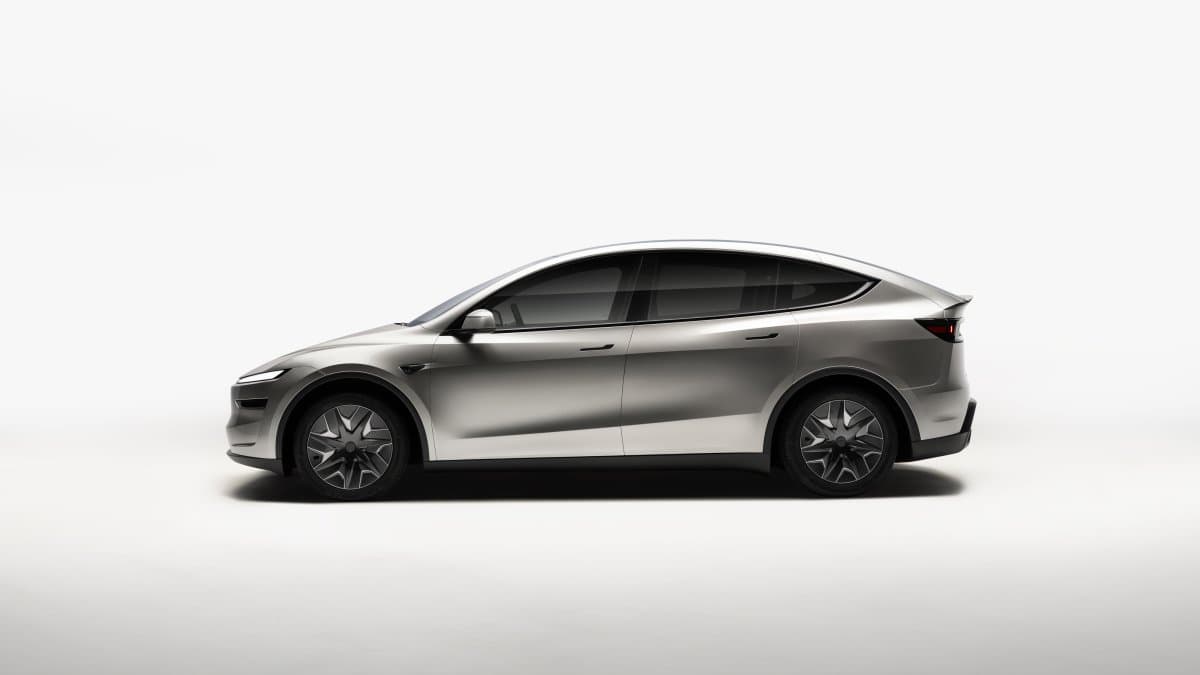
If you are generally interested in fast-charging architectures, our overview of 800V vs. 400V in electric cars is also worth reading. Those looking for the benchmark in efficiency and range in the mainstream segment can find data on the Tesla Model Y, while the 2026 range ranking sets out the long-distance benchmark in the luxury segment.