Xiaomi Unveils 3 nm Xring D100 Smart-Driving Chip, Targets 2027
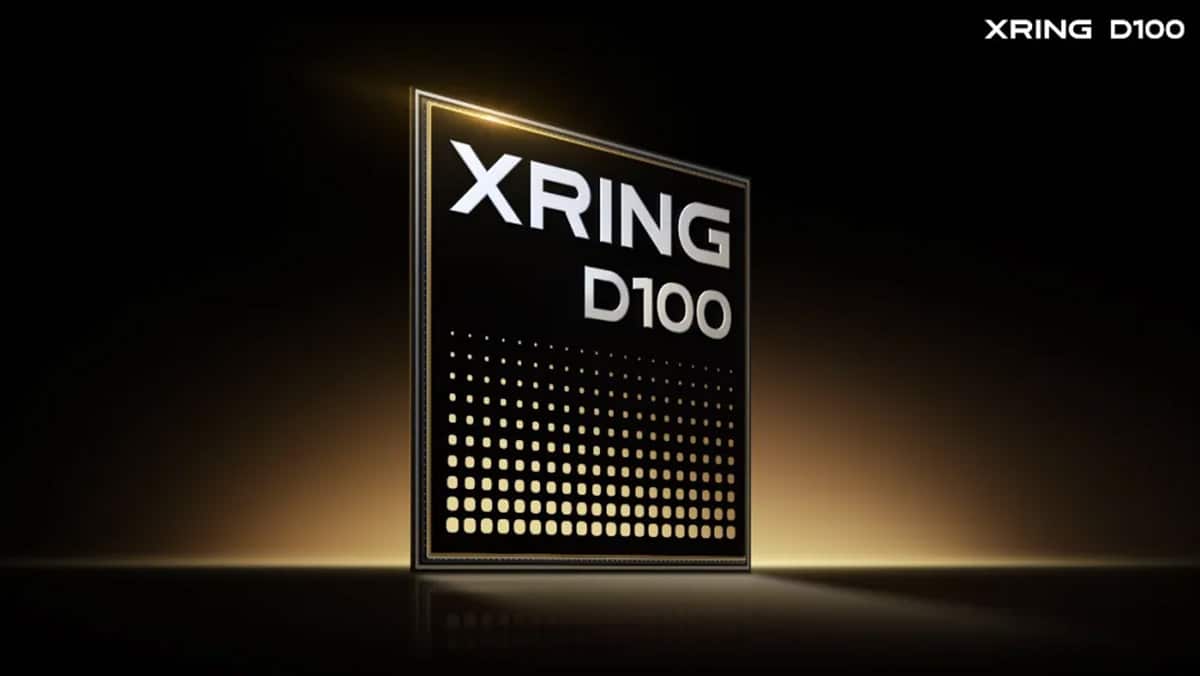
Xiaomi is extending its chip strategy further into the automotive sector and has announced the Xring D100, its first in-house smart-driving processor. The key feature: Xiaomi describes it as a high-performance 3 nm chip designed for use in vehicles. According to the company, validation has been completed, with commercial deployment scheduled to begin in 2027.
Important context for the DACH region—Germany, Austria, and Switzerland: this is not something that will enter mass production tomorrow. Xiaomi has not yet disclosed its specific computing performance in TOPS, the foundry that will manufacture it, or the first vehicle model that will actually receive the chip.
What the Xring D100 Promises Technically
Xiaomi has provided several key specifications that clearly target modern on-device AI in vehicles. The D100 is intended to cover a large all-in-one computing setup, including a CPU, NPU, and shared memory, which could reduce latency and overhead for AI workloads.
| Feature | Xiaomi Xring D100 (claimed) |
|---|---|
| Manufacturing process | 3 nm |
| CPU | 20 cores (high-performance) |
| NPU | 16 cores |
| Unified memory | up to 160 GB |
| On-device models | models with up to 200 billion parameters can run locally (according to Xiaomi) |
| Production deployment | commercial use planned from 2027 |
The claim of “up to 200 billion parameters” primarily refers to large AI models for perception, planning, and driver-assistance functions. In everyday use, the more interesting prospect would not be an in-car chatbot, but robust functions running locally with less reliance on the cloud—enabling faster responses and potentially better availability in areas without cellular coverage.
Why Xiaomi Is Doing This—and Why 3 nm Is Not Automatically “Better”
The move makes strategic sense: tighter integration of hardware and software allows a company to manage costs and efficiency more effectively. At the same time, a smaller process node such as 3 nm generally provides a path to greater efficiency or more performance per unit of chip area. Whether the D100 actually delivers an advantage in practice, however, cannot be assessed until Xiaomi provides figures for computing performance in TOPS and power consumption.
In a car, it is not just peak performance that matters, but performance per watt and thermal management. A chip can look powerful on paper, but its benefits will remain limited if the cooling, packaging, and sustained-load performance are not suitable for automotive use.
Current Status: D100 Initially Runs in a Desktop Prototype
Before deploying it in cars, Xiaomi has initially installed the D100 in an “AI Cube Prototype,” a desktop AI terminal. It is intended to run various local models and switch between a faster and a slower system. This is a plausible way to stabilize software stacks, memory management, and development tools before entering automotive production cycles.
Context: Competitors Have Long Been Developing Their Own Chips
Xiaomi is entering a market in which several Chinese manufacturers already use their own smart-driving chips. Nio, for example, has rolled out a 5 nm chip in Nio and Onvo models and claims computing performance of more than 1,000 TOPS per chip. Li Auto also claims 1,280 TOPS per chip for its 5 nm design. Xpeng likewise has its own chip in use, including in some Volkswagen models sold in China. BYD, meanwhile, has announced a 4 nm chip and says a three-chip cluster delivers more than 2,100 TOPS.
The D100 could benefit from the 3 nm process in terms of efficiency, but without official TOPS and power-consumption data, any direct comparison remains speculative. The year 2027 will show whether Xiaomi can close the gap with established solutions.
What This Means for Xiaomi EVs—and How Tesla Compares
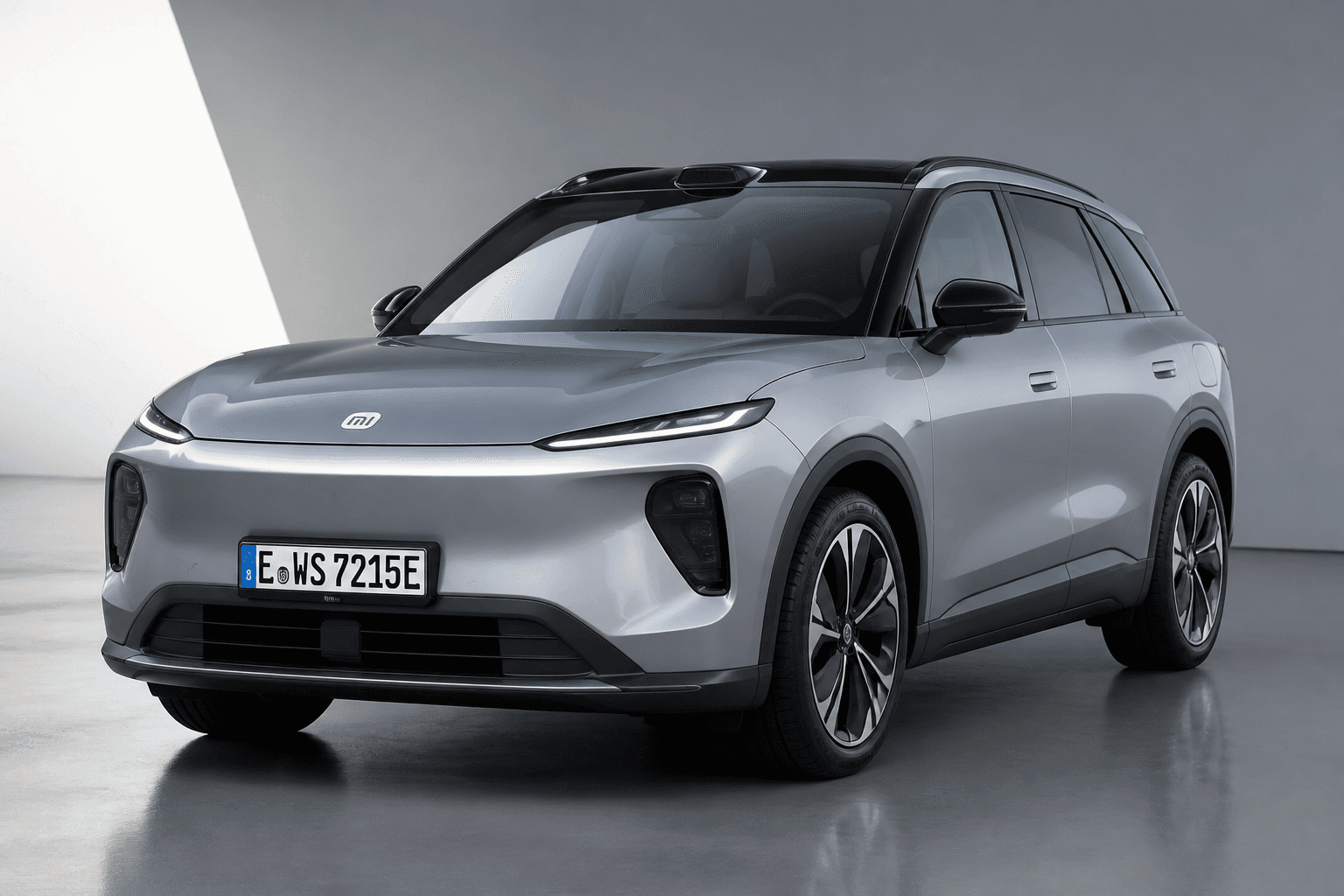
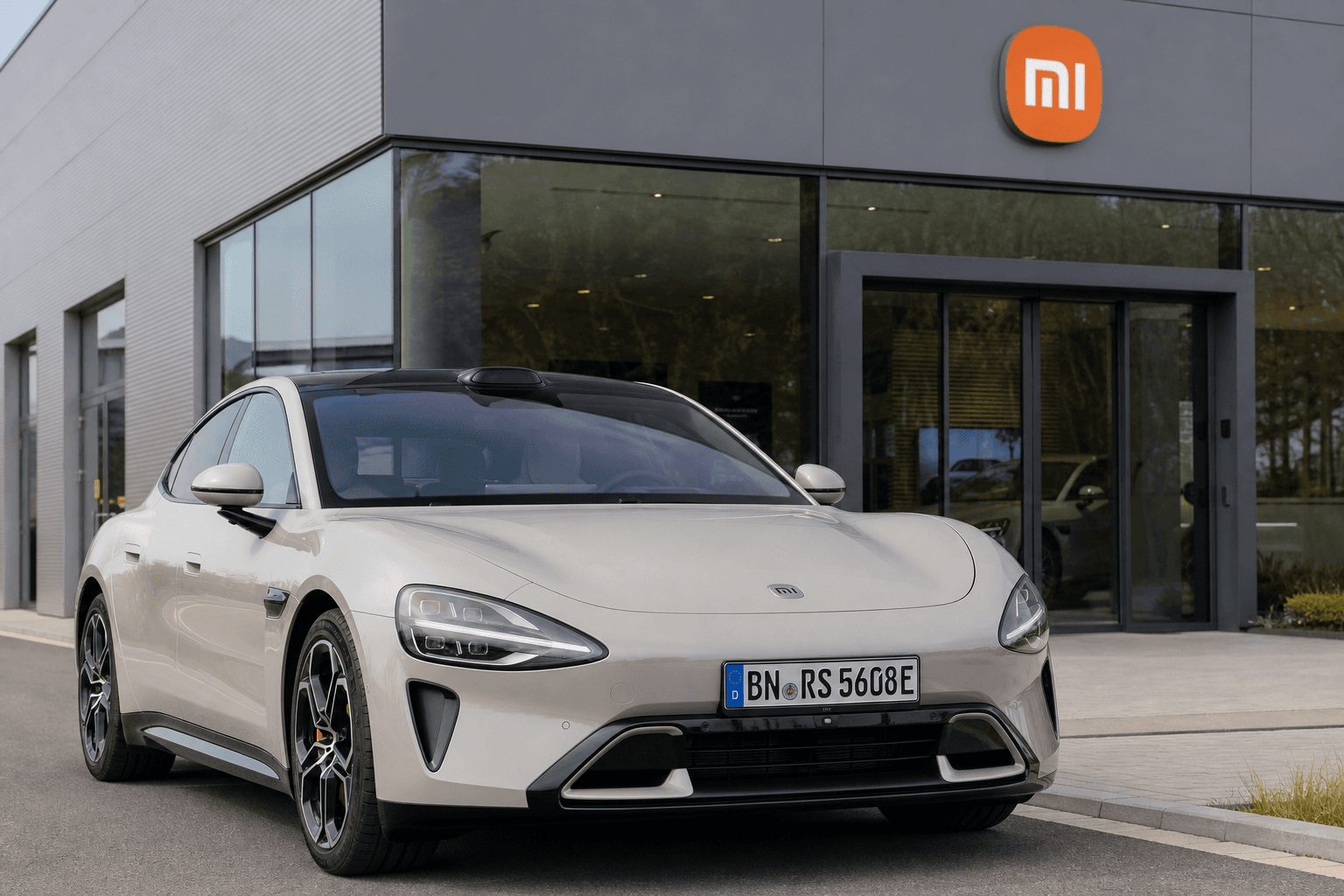
According to the company, Xiaomi’s current electric cars primarily use Nvidia chips—most recently Thor, and previously Orin. An in-house chip would make Xiaomi more independent, provided the platform proves reliable in production and can be supplied in sufficient volumes. At the same time, the move is expensive: Xiaomi says it has invested more than 21 billion yuan since relaunching its chip program and employs a team of around 3,000 specialists.
In Tesla’s ecosystem, the principle of “proprietary hardware for proprietary software” has been part of the company’s DNA for years. Tesla’s advantage is that its chips, data pipeline, and software have been optimized together over a long period. Xiaomi still has to build up that experience, but its expertise in smartphones and AI, along with high production volumes in other product categories, could help it move quickly.
Real-World Impact If It Works
- More functions running locally: less reliance on the cloud and faster responses → potentially more stable driver-assistance performance.
- Better integration: hardware-software co-design could improve efficiency and reduce costs per vehicle.
- Longer-term update potential: if Xiaomi controls the entire stack, feature updates over many years become more realistic.
Open Questions
- No details on TOPS, power consumption, or the vehicle’s cooling concept.
- It remains unclear which model will launch with the chip in 2027 and whether the supply chain can support the required volumes.
- “Validation completed” sounds promising, but it is no substitute for data from production vehicles.