Rivian Adds Waze Alerts to Its In-Car Navigation, Starting with Update 2026.31
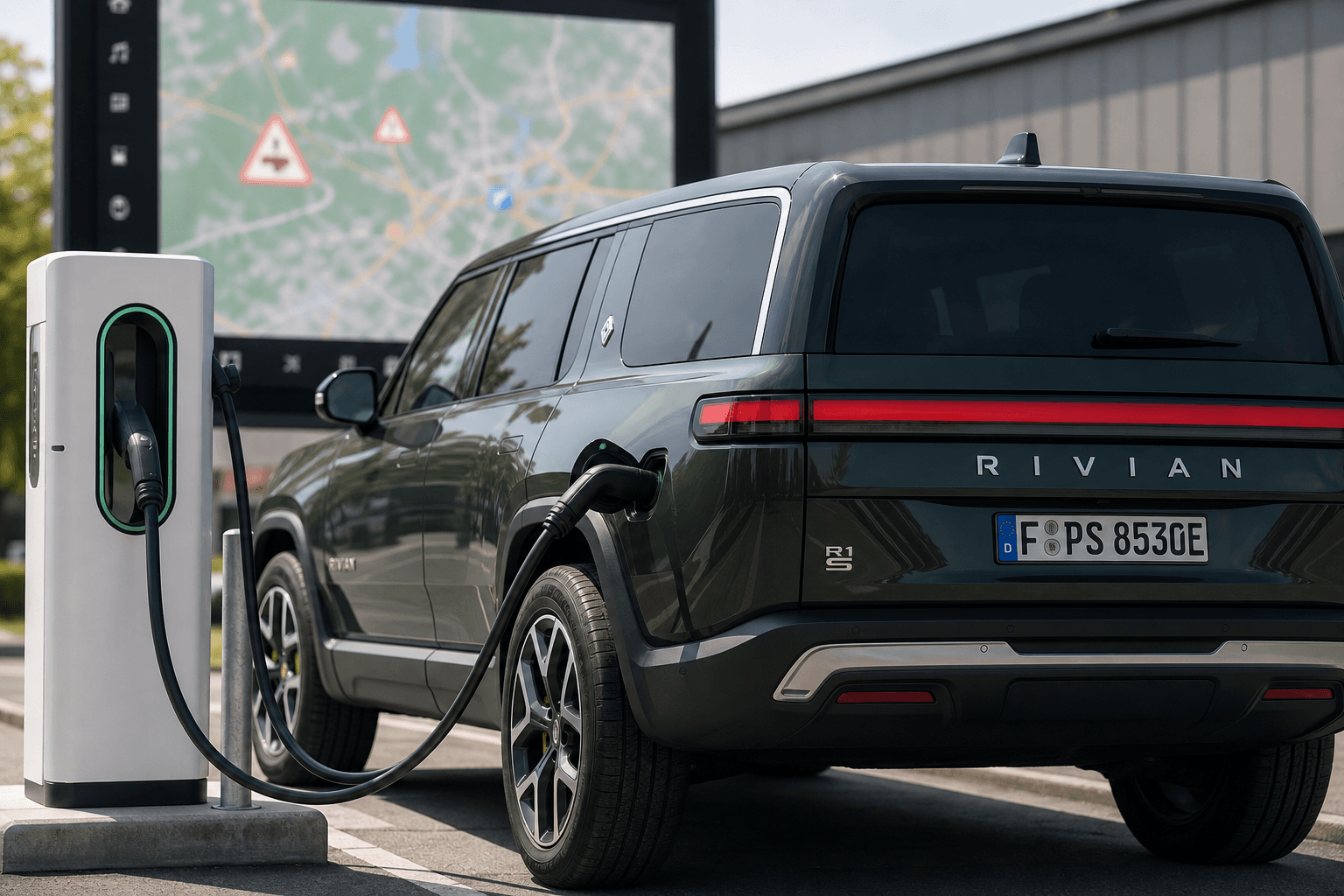
Rivian is bringing Waze alerts natively to its own in-car navigation system. According to the announcement, it will launch with speed camera alerts and police reports, which are set to be delivered to vehicles via OTA update 2026.31. The feature will be available for Rivian’s R1 and R2 model lines, with additional data types and alerts to follow later.
The key point is that Waze provides more than just static information; above all, it offers community-based real-time reports about rapidly changing situations. This dynamic information is precisely what makes the feature so useful in everyday driving, as alerts appear directly along the route rather than only on a smartphone.
What Waze in the Car Really Offers—and Where Its Limits Lie
Waze excels at reporting short-notice events: enforcement checks, accidents, broken-down vehicles, or hazards such as debris on the road. Viewing this information on a large center screen is considerably more convenient than using a phone in a mount, and it reduces distraction because the information appears where you are already looking.
At the same time, these alerts are only as good as the available data. Depending on the region, community reports may be plentiful or sparse. Police reports are also a sensitive issue depending on the country and its laws, which is why manufacturers often roll out or restrict the feature differently by region.
Tesla Today: Its Own Map Markers Instead of a Third-Party App
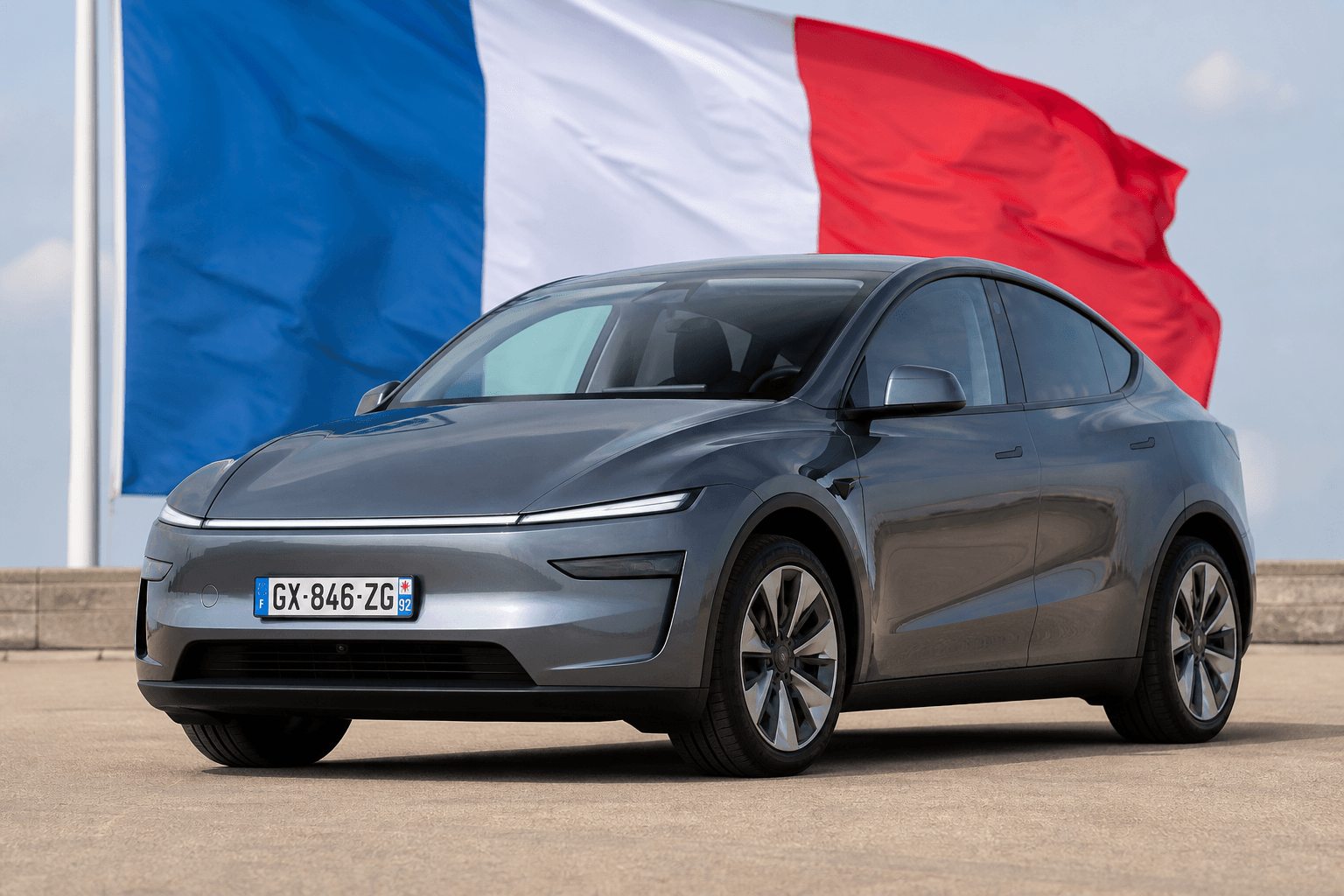
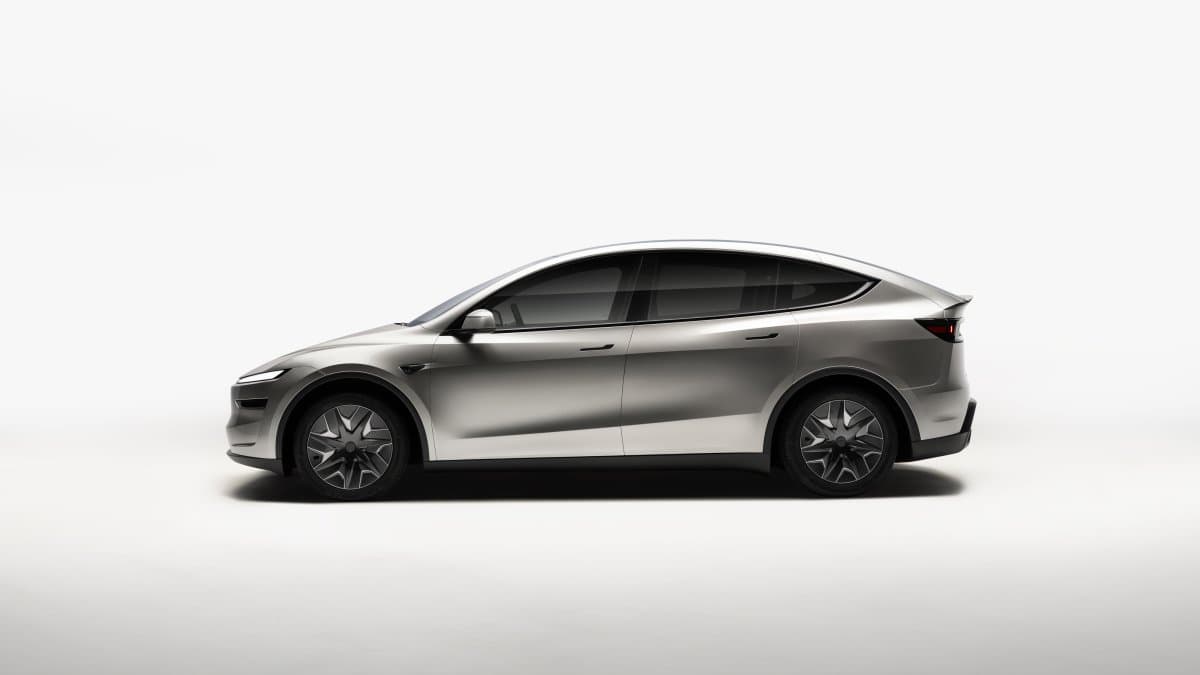
Tesla has traditionally avoided conventional third-party apps in its infotainment system, but over the years it has gradually expanded its own navigation and map alerts. These include icons for speed cameras and roadworks, as well as alerts displayed on the map, depending on which data is available in each region.
One important factor for practical use is that live features in Tesla’s navigation system are generally tied to online routing and, depending on the market, an active connectivity option. Without online data, the system remains functional but is less “live.” This differs from Waze’s approach, where much of the value depends on a continuous pipeline of community data.
Rivian Goes Broader, Tesla Goes Deeper: Two Philosophies
Rivian’s approach resembles a “plug-in” for more real-time hazard intelligence drawn directly from an established source. Tesla, by contrast, tends to optimize navigation as part of an integrated system encompassing map data, traffic modeling, and driver-assistance features. Both approaches can make sense, depending on the manufacturer’s priorities: rapid feature coverage through integration or maximum control over data, presentation, and the driving-function stack.
From Tesla’s perspective in particular, this does not necessarily mean that “Tesla has to copy Waze.” A Tesla can provide alerts without a Waze app if the company expands its own hazard databases or integrates additional data sources. The main difference would then be less about the interface and more about the timeliness and breadth of the reports.
Real-World Impact: Daily Driving, Long Trips, and Driver-Assistance Systems
In everyday driving, live alerts are especially valuable when they are situational: an accident beyond the next crest, debris in the right lane, or a broken-down vehicle on a blind bend. This does more than help drivers reroute; it also provides advance mental preparation: reduce speed, increase following distance, and prepare to change lanes.
This could also become relevant for driver-assistance systems. Camera- and AI-based detection is powerful, but by its nature it is “local” and only sees what enters its field of view. Real-time hazard data can serve as an early-warning system from the cloud, provided it is reliable enough. In practice, more data does not automatically mean better results. What matters is the quality of the filtering and how alerts are prioritized so that the screen does not become a wall of warnings.
What This Means for the DACH Region
In the DACH region—Germany, Austria, and Switzerland—features like these depend heavily on what manufacturers are legally and contractually permitted to offer. Speed camera and police alerts are treated differently from country to country and may therefore appear differently in vehicle navigation systems than on smartphones. Anyone who frequently drives across borders will be familiar with this: a feature available in country A may be restricted in country B.
Regardless, the trend is clear: live safety and hazard information is moving from phones into cars. Rivian is taking a visible step in this direction with Waze, while Tesla has so far favored its own features and data integrations.
If You Drive a Tesla: What Already Matters Today
- Enable online routing so the vehicle can use live routing and traffic data in the first place.
- Check whether speed camera and roadworks warning icons are available in your region, as this may vary depending on the available data.
- For genuine real-time community data, using a smartphone is currently often the only workaround if no native integration is available.
If you are interested in Tesla’s expansion of its energy and vehicle ecosystem, take a look at the technical assessment of Tesla Model Y V2L. And if you are currently comparing models, our database contains the key specifications for the Tesla Model Y. For a broader perspective on driver-assistance systems and data, the background on Tesla FSD v15 and HW4 also shows what Tesla is focusing on in its long-term software strategy.