Waymo Puts the Zeekr Ojai into Paid Service
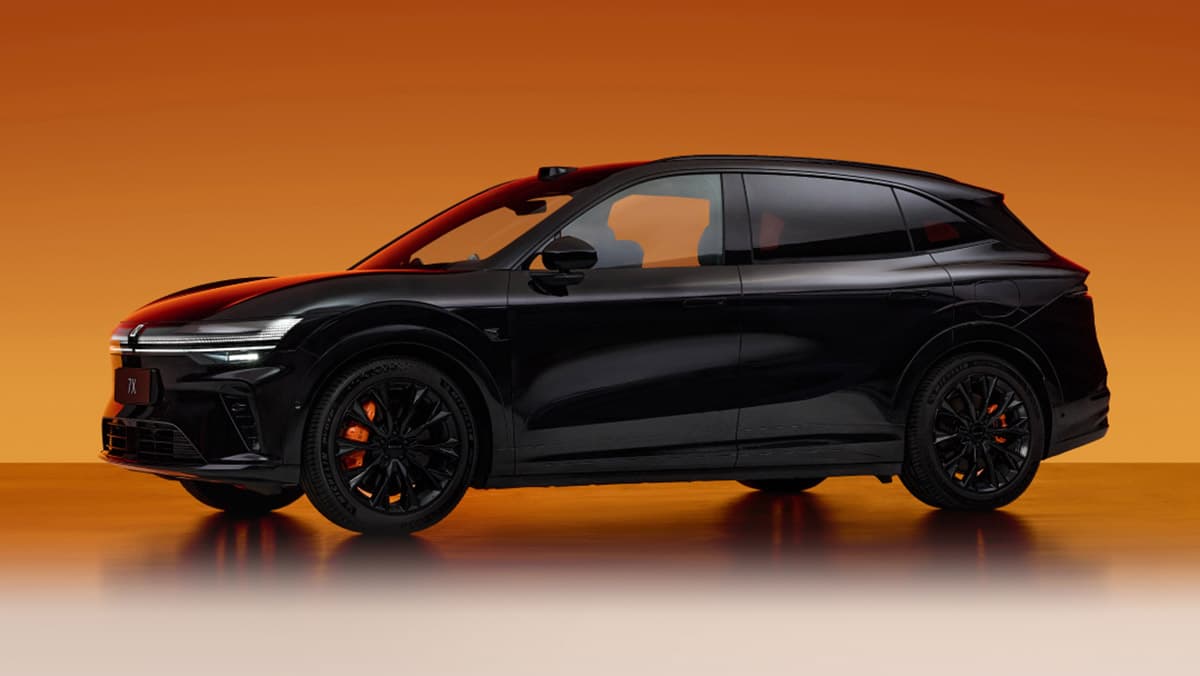
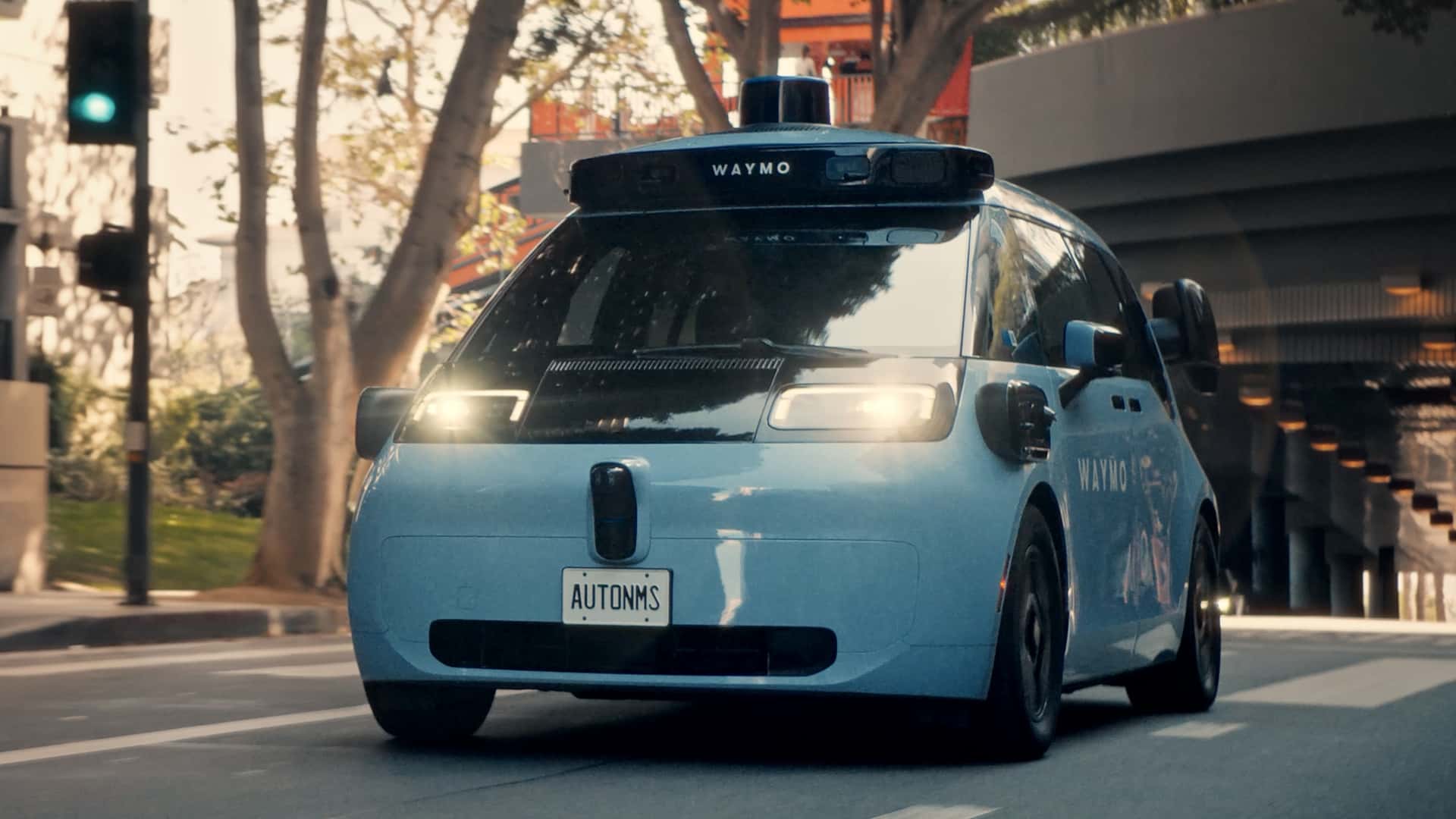
Waymo is adding a new vehicle to its robotaxi service in the US: the electric Ojai minivan. It is now offering regular paid rides in San Francisco, Los Angeles, and Phoenix. These follow limited trials in which selected users could book the Ojai free of charge.
For passengers, the main difference is space. The Ojai is a van with sliding doors and room for up to four passengers. Waymo is therefore clearly targeting everyday trips involving more luggage or families, for which the Jaguar I-Pace vehicles commonly used until now increasingly look like an interim solution.
How Vehicle Matching Works, Initially Without a Choice
Anyone booking a ride in one of the three cities may currently be assigned either an Ojai or a Jaguar I-Pace. According to the current rollout plans, there is not yet an option to select a specific vehicle during booking.
That is expected to change as more vehicles become available: Waymo is likely to offer customers a choice between vehicle types once it has more vans. In practice, this means the Ojai is likely to become the dominant option gradually, depending on how quickly the fleet is scaled up.
Built in China, Converted into a Robotaxi in Arizona
The Ojai is manufactured by Zeekr in China and shipped to the US without networked connected-car features. This is important because Zeekr provides the vehicle platform while Waymo retains complete control over the autonomous-driving system.
Waymo’s proprietary autonomous-driving suite is then installed at a facility in Arizona. The sensor array includes 13 cameras, 4 lidar sensors, and 6 radar sensors. Compared with the previous setup, the clear focus here is scalability: Although import tariffs remain a consideration, the vans are expected to be cheaper overall to build and operate than the Jaguar fleet.
Waymo Gen 6: Focus on Reliability in Bad Weather
The Ojai uses Waymo’s sixth-generation hardware and software. In addition to the computing and sensor platform itself, the software has been revised to cope better with difficult conditions. Waymo specifically mentions snow and fog.
This is strategically significant because robotaxi services often reach their limits when visibility, road markings, or sensor reflections become problematic. Greater resilience in bad weather should ideally mean fewer service interruptions and more consistent availability, particularly beyond the traditionally sunny markets of the US Sun Belt.
Fleet Expansion: Around 300 Vans Today, Thousands Expected by the End of 2026
According to Waymo, about 300 Ojai vans are currently in service. A further rollout in Denver, Las Vegas, and San Diego has been announced for later this year, initially for selected users.
The major expansion is then expected by the end of 2026, with thousands of autonomous minivans anticipated across the US. This is not merely a fleet issue, but also a signal to the market that Waymo is no longer just expanding its service—it is industrializing it.
Assessment: Robotaxi Competition Is Intensifying, and Tesla Remains a Key Factor
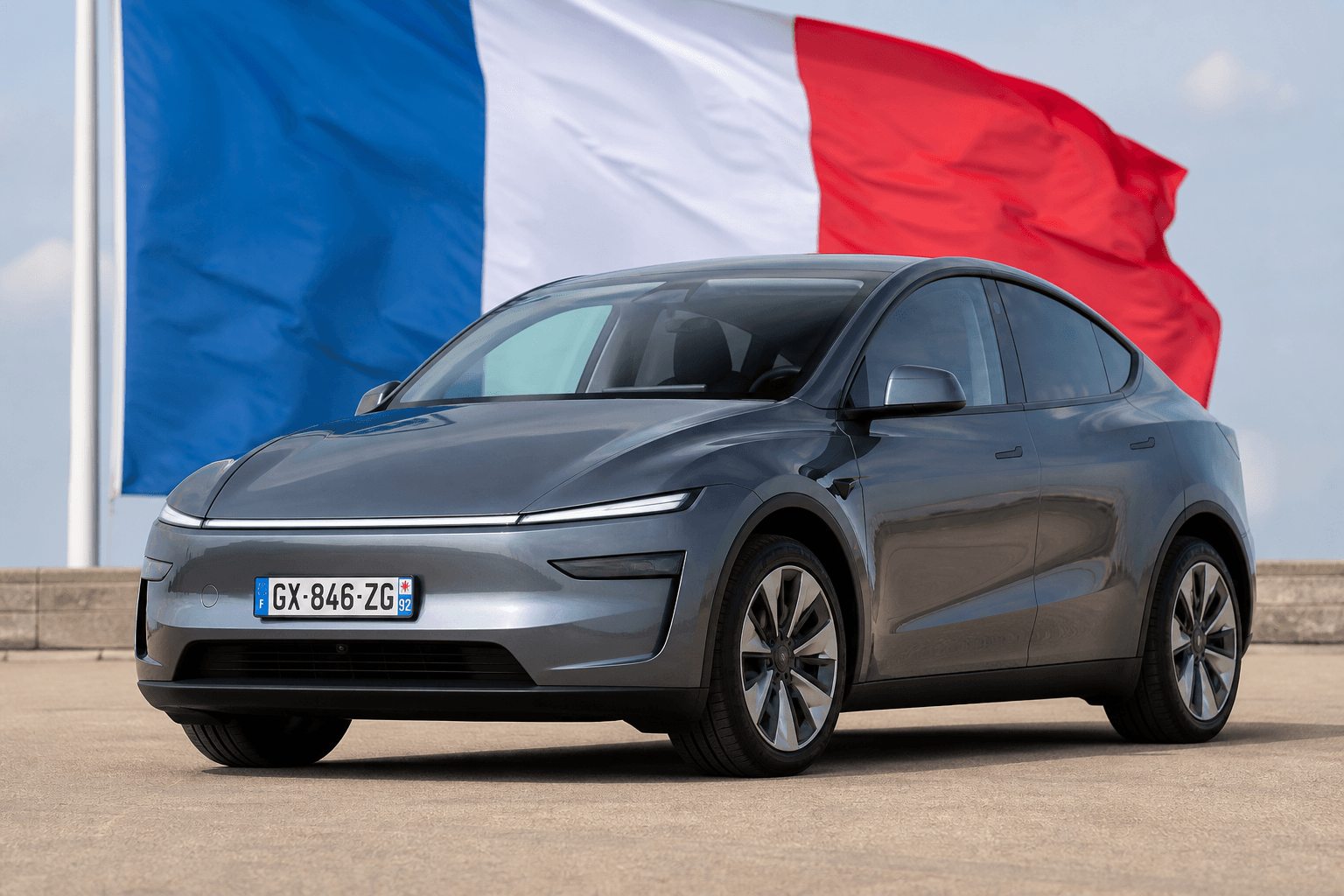
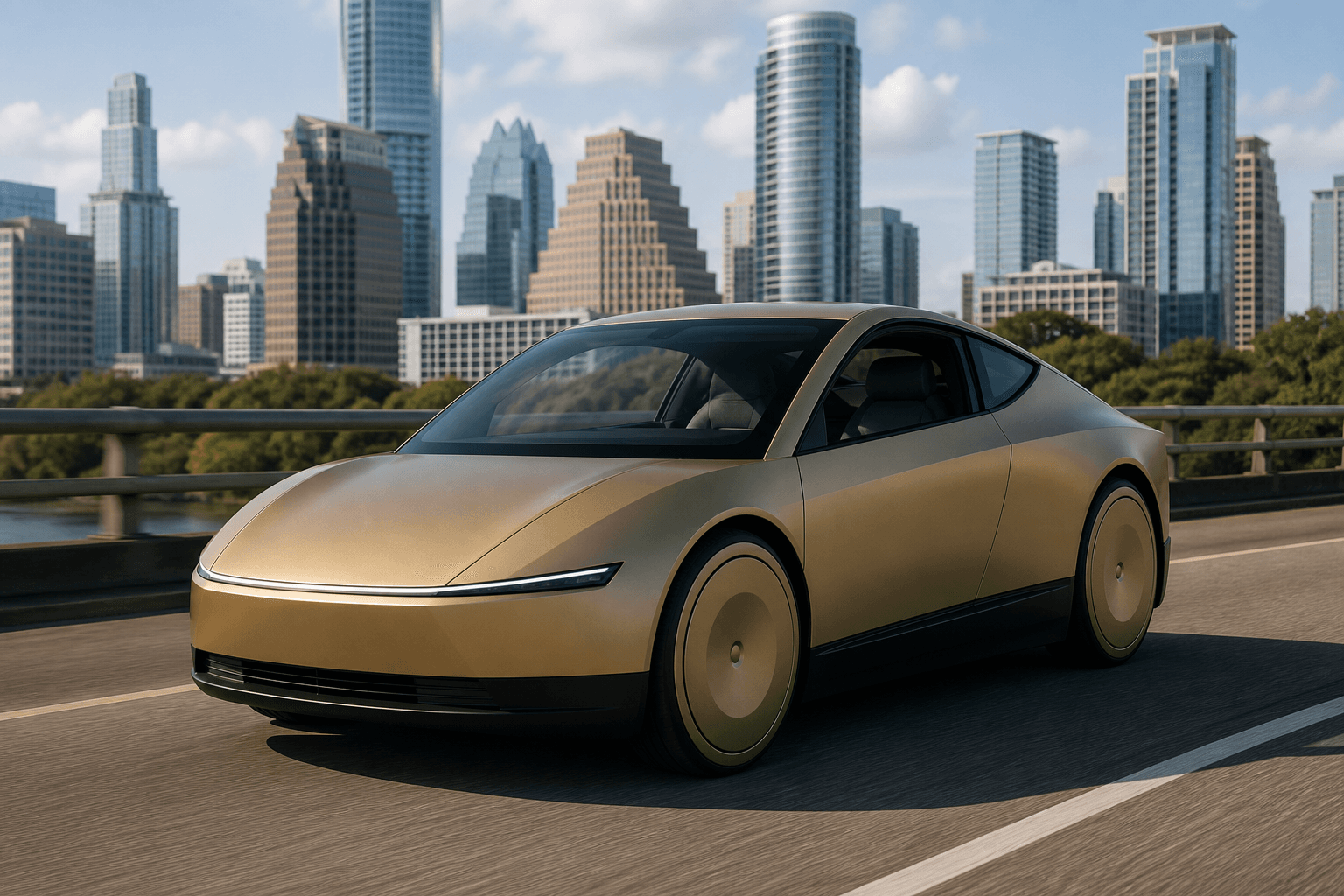
Waymo is currently regarded as the clear pace-setter in the US robotaxi market. At the same time, competitive pressure is growing, including from projects such as Zoox. Tesla is also regularly cited as a challenger in this context, although the companies take different approaches: Waymo relies on a sensor-heavy platform and geofenced operating areas, while Tesla is pursuing a more camera-based software approach backed by a large vehicle fleet.
For readers in Germany, Austria, and Switzerland, this primarily offers a glimpse into the future: Regular service in several major US cities shows how quickly robotaxis can evolve from pilot projects into a genuine mobility option.
Key Ojai Facts at a Glance
| Feature | Waymo Ojai (Zeekr Platform) |
|---|---|
| Launch of service for paying passengers | San Francisco, Los Angeles, Phoenix |
| Interior | Van with sliding doors, up to 4 passengers |
| Autonomous-driving system | Waymo Gen 6 hardware and software |
| Sensors | 13 cameras, 4 lidar sensors, 6 radar sensors |
| Conversion/integration in the US | System installed in Arizona |
| Expansion plans | More cities later in 2026, with thousands of vans expected by the end of 2026 |