VW ID. Tiguan: The Electric SUV Gets a Much More Traditional Look
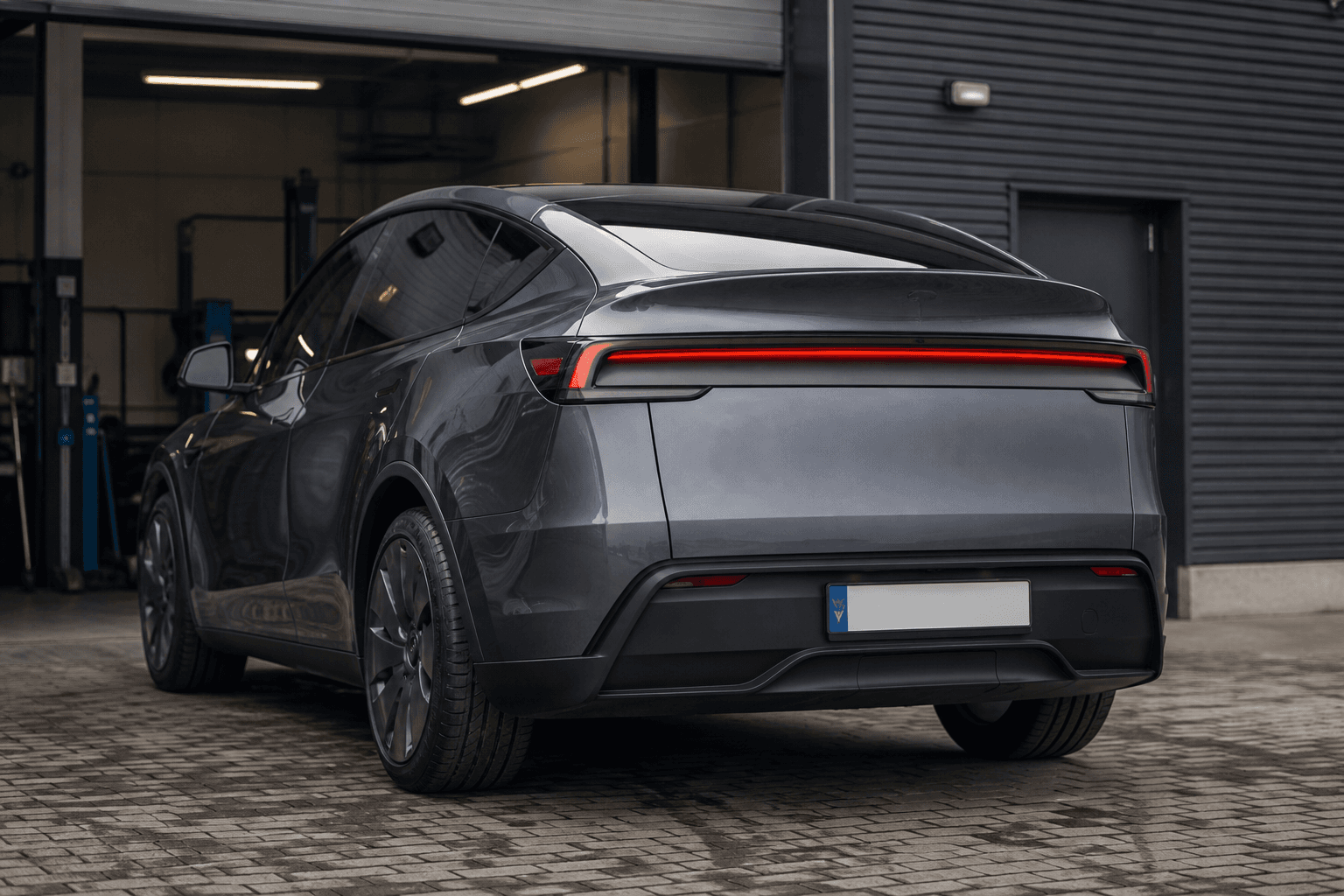
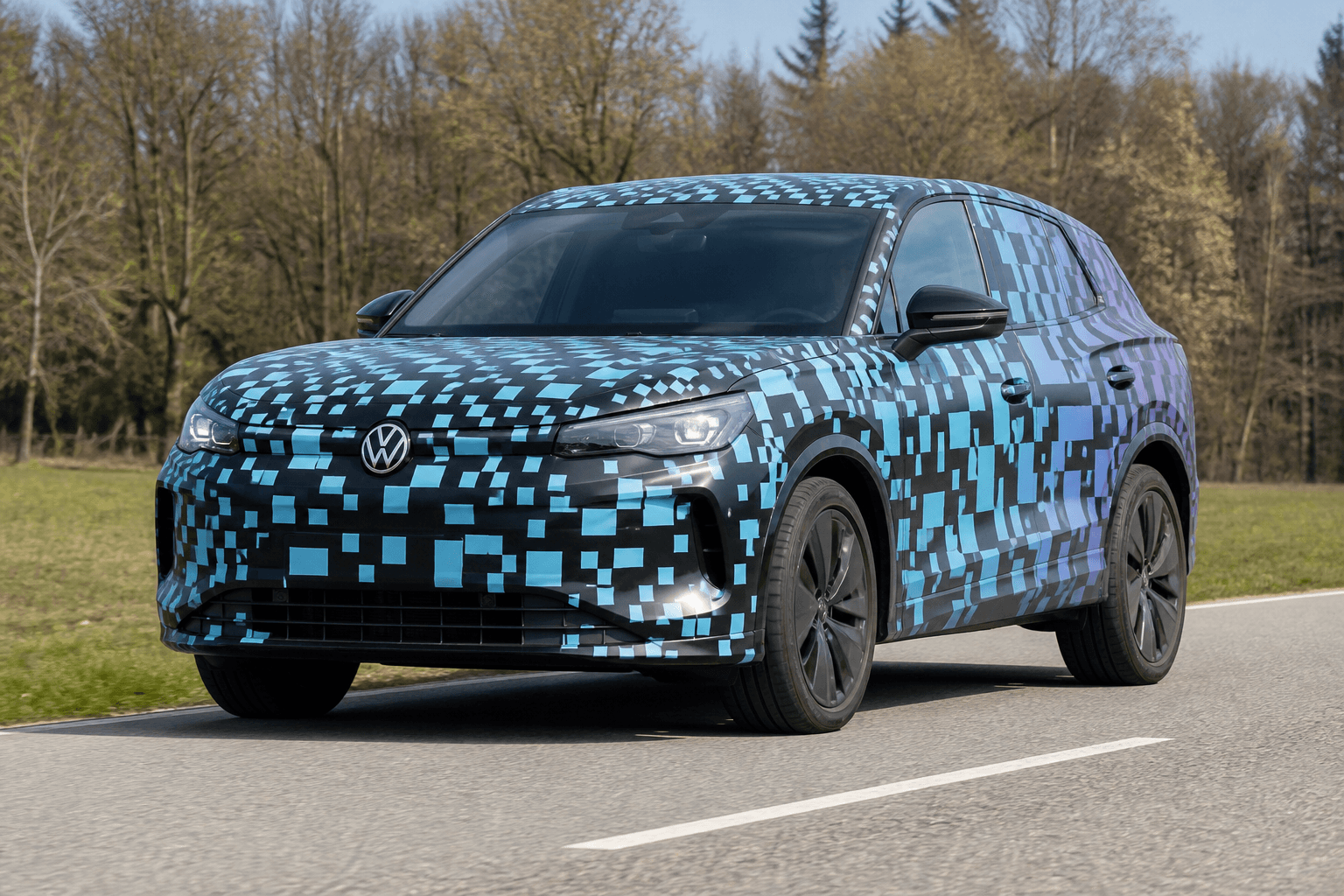
Volkswagen is close to unveiling a new electric SUV that will very likely be launched as the ID. Tiguan. Pre-production vehicles are already appearing in videos and images, meaning the basic designs of the front and rear are no longer much of a secret. Although the name has not yet been officially confirmed, the direction seems fairly clear.
The design statement is particularly interesting: the upcoming ID. Tiguan visibly adopts less of the “ID look” and more familiar VW styling. Many people are likely to see that as a positive, as the existing ID models were deliberately designed to stand apart visually from the rest of the lineup.
What Will Happen to the ID.4 and ID.5?
At its core, this is about a clear successor: the VW ID.4 is expected to be replaced by the ID. Tiguan in the model lineup over time. At the same time, there are many indications that the ID.5 coupé counterpart will no longer be offered in its current form. Anyone looking for a sportier SUV coupé from the Volkswagen Group may instead have to turn to Škoda, for example with an Enyaq Coupé.
VW is therefore following a strategy it has already suggested for other model ranges: moving away from entirely separate electric-vehicle names and toward familiar model families in which combustion-engine and electric versions are more closely aligned. Reports that an electric successor to the T-Cross could receive a new ID name also fit this approach, and the VW ID. Cross has already been discussed in this context.
“Less EV Design”: What Can Already Be Seen on the Outside
The new ID. Tiguan appears to bridge two worlds: its modern lighting signature and smooth surfaces remain, but the overall impression is more closely aligned with what many people have come to regard as “typical VW” styling in recent years. This is likely to appeal especially to buyers who found the previous, highly distinctive ID design too futuristic or too sleek.
If you are interested in the latest design leaks and VW’s broader change in direction, you can find more details and renderings in our article VW ID. Tiguan: Leaks Reveal the New Electric SUV Look.
Interior: Larger Displays and More Physical Buttons Expected
More clues about the interior have also emerged, although parts of it remain disguised. A noticeable upgrade is expected, including larger screens, better materials and more traditional controls. VW has repeatedly indicated in recent months that it wants to take a more pragmatic approach to its control layouts—in other words, not using touch controls at all costs.
A steering-wheel design already seen in more recent VW concepts and models is also visible. Overall, this suggests a clear focus on everyday usability: less searching through menus for standard functions and more direct access.
Technology: MEB Remains, Major Leaps Are Unlikely
The platform situation is fairly clear: the ID. Tiguan is expected to continue using MEB, Volkswagen Group’s dedicated modular platform for electric vehicles. As a result, no radical changes should be expected, at least not in the sense of a complete shift in technology. Targeted improvements to efficiency, software and equipment are more likely.
Anyone anticipating VW’s next major technological leap should also keep an eye on the development of MEB+. We have already published a separate overview: VW ID. Tiguan: Prototype Reveals New Design and MEB+ Technology.
Perspective for the DACH Region: Why the “Tiguan” Name Is So Important to VW
The Tiguan name is especially strong in the DACH region—Germany, Austria and Switzerland. If VW really does use it for the electric successor, that will be more than a cosmetic change: it will lower the barrier to entry for buyers who have struggled with the ID naming system. In everyday use, what ultimately matters is less how “electric” a car looks and more whether it feels logical, familiar and easy to operate as a family SUV.
The ID. Tiguan is less a revolution on the spec sheet than a strategic shift: a familiar name, more traditional styling and an interior that once again places greater emphasis on usability.
What You Should Know Before the Final Specifications Arrive
No specific technical specifications have yet been officially confirmed. However, everything visible so far points to a vehicle that is very close to production. Once its ranges, battery options, charging power and prices have been confirmed, it will become clear how much the ID. Tiguan really differs from the ID.4 in everyday use.
Until then, the exterior and interior appear to send a clear signal that VW is aiming for broader acceptance with its high-volume electric SUV without abandoning the basic concept of the MEB family.