Toyota posts the strongest EV growth in August
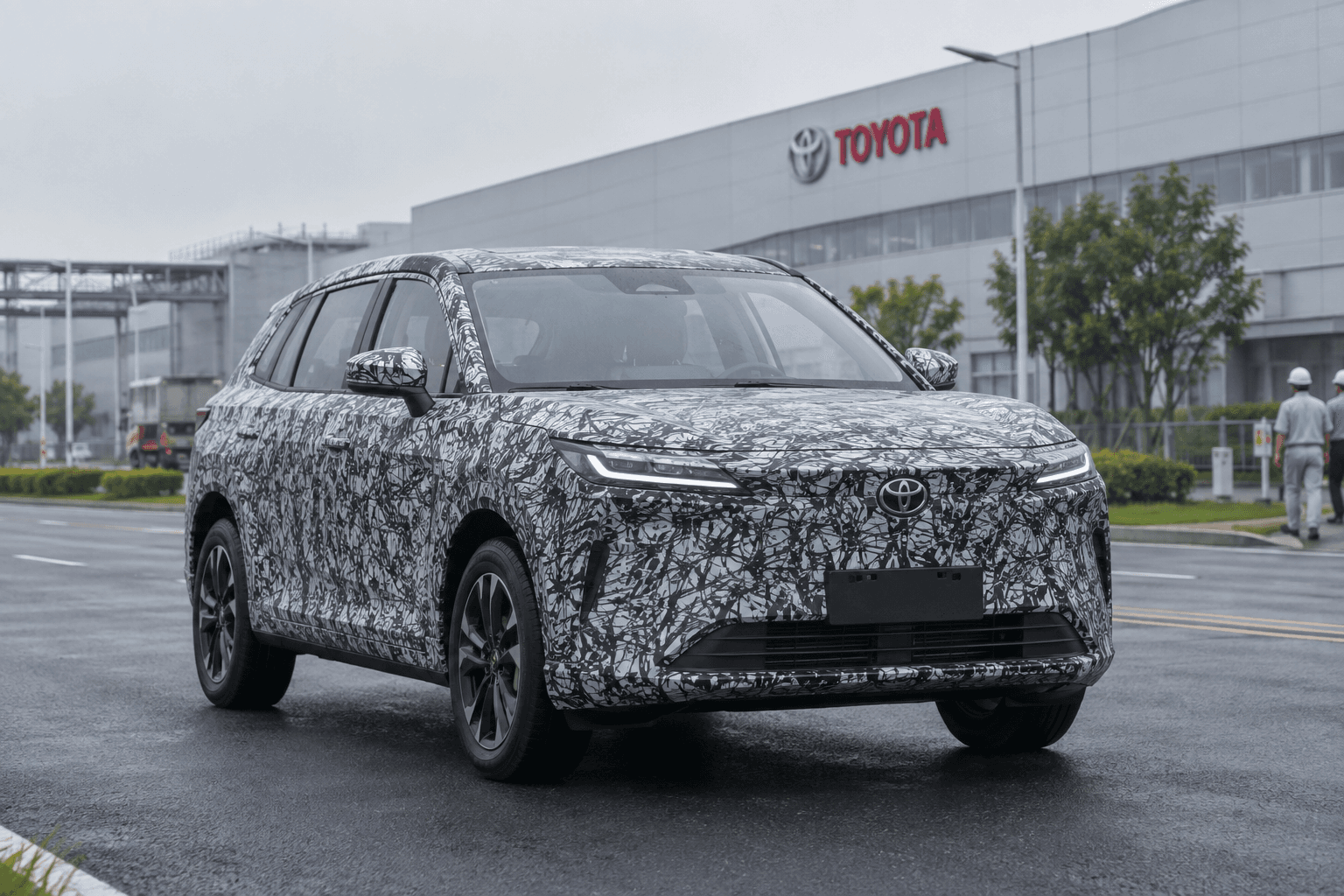
Toyota’s revamped electric vehicle lineup is gaining momentum in the US market. The automaker sold 4,964 all-electric vehicles there in August 2026, up 35% from July. This gave Toyota the strongest monthly growth among the major brands.
The overall US market reached around 78,895 new electric cars. That was 2.5% more than in July, but 46.9% less than in August 2025. The sharp year-over-year decline also reflects the rush at the time to take advantage of the expiring $7,500 tax credit.
Tesla remains the market leader by a wide margin
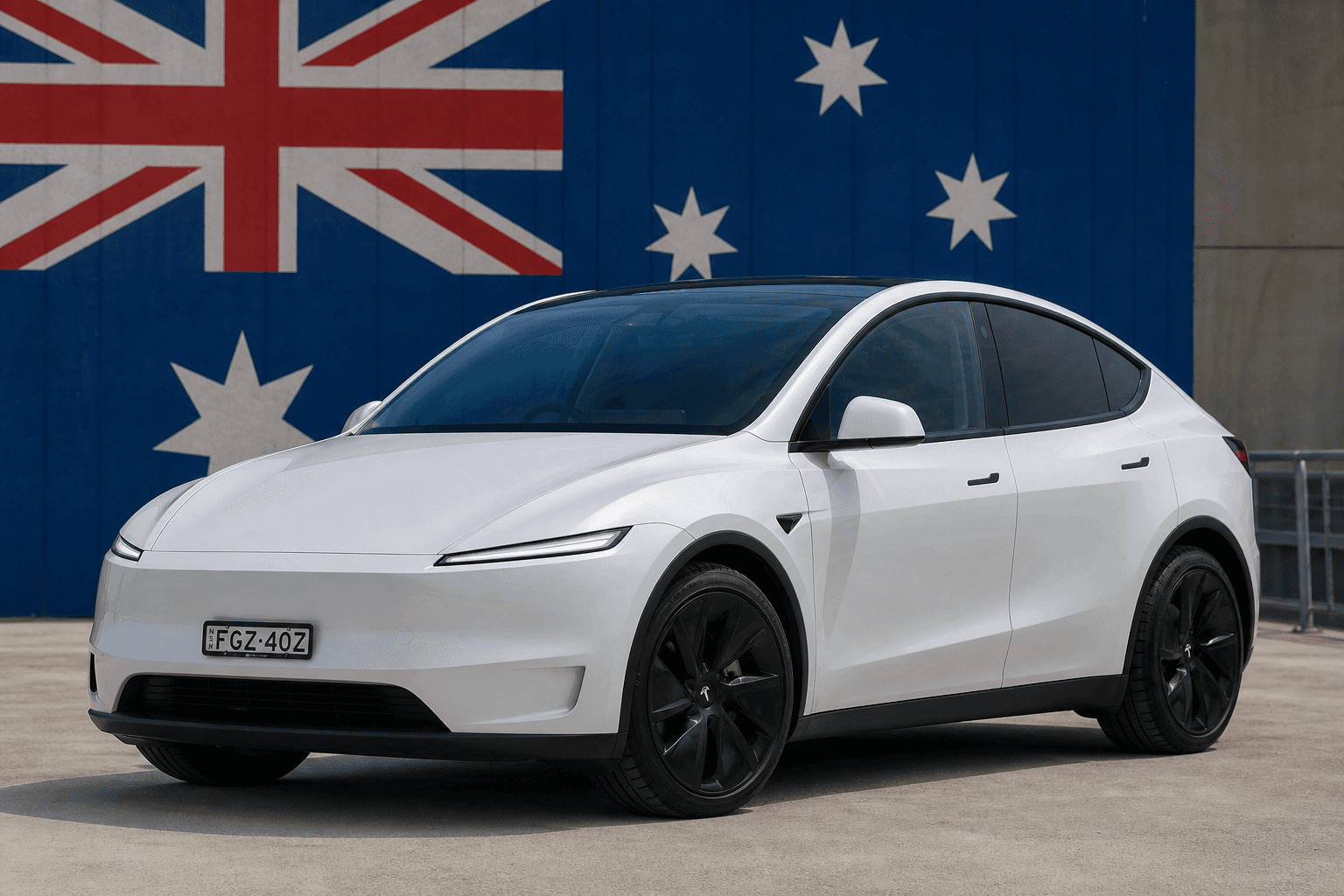
Despite Toyota’s growth, the balance of power remains clear. Tesla sold 40,816 electric cars in August, giving it a market share of 51.7%. Although Tesla’s sales fell by 3.8% compared with July, the brand still sold more than eight times as many EVs as Toyota.
Key high-volume models remain the Tesla Model Y and the Tesla Model 3. The latter sold for an average of 1.9% less in August than a month earlier, also contributing to the decline in overall prices.
The Toyota bZ is becoming a key sales driver
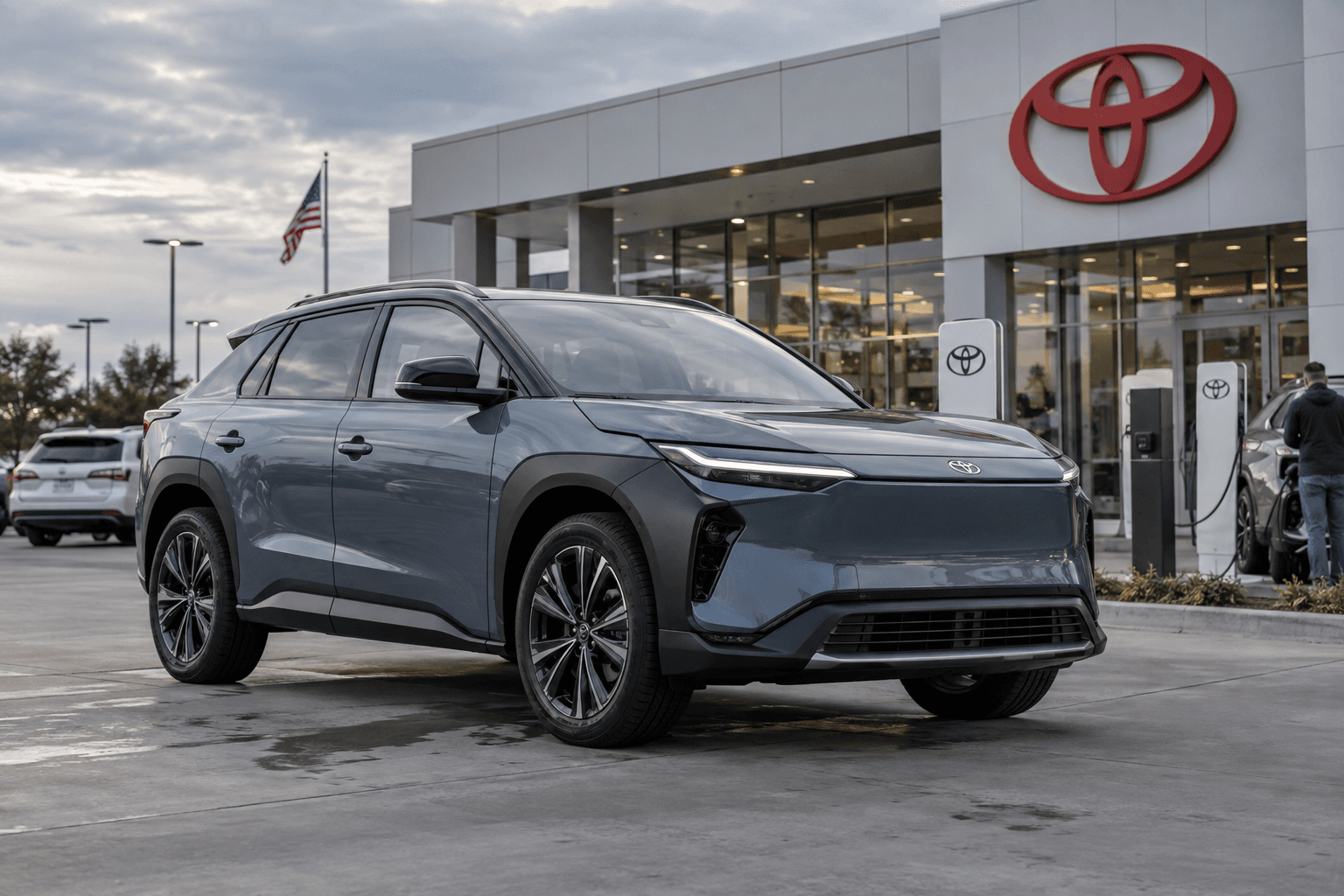
The extensively updated Toyota bZ, previously sold as the bZ4X, plays a central role. More than 22,500 units were sold in the US during the first eight months of 2026. By comparison, 15,609 vehicles were sold in all of 2025, including the models that had already been renamed during the final months of the year.
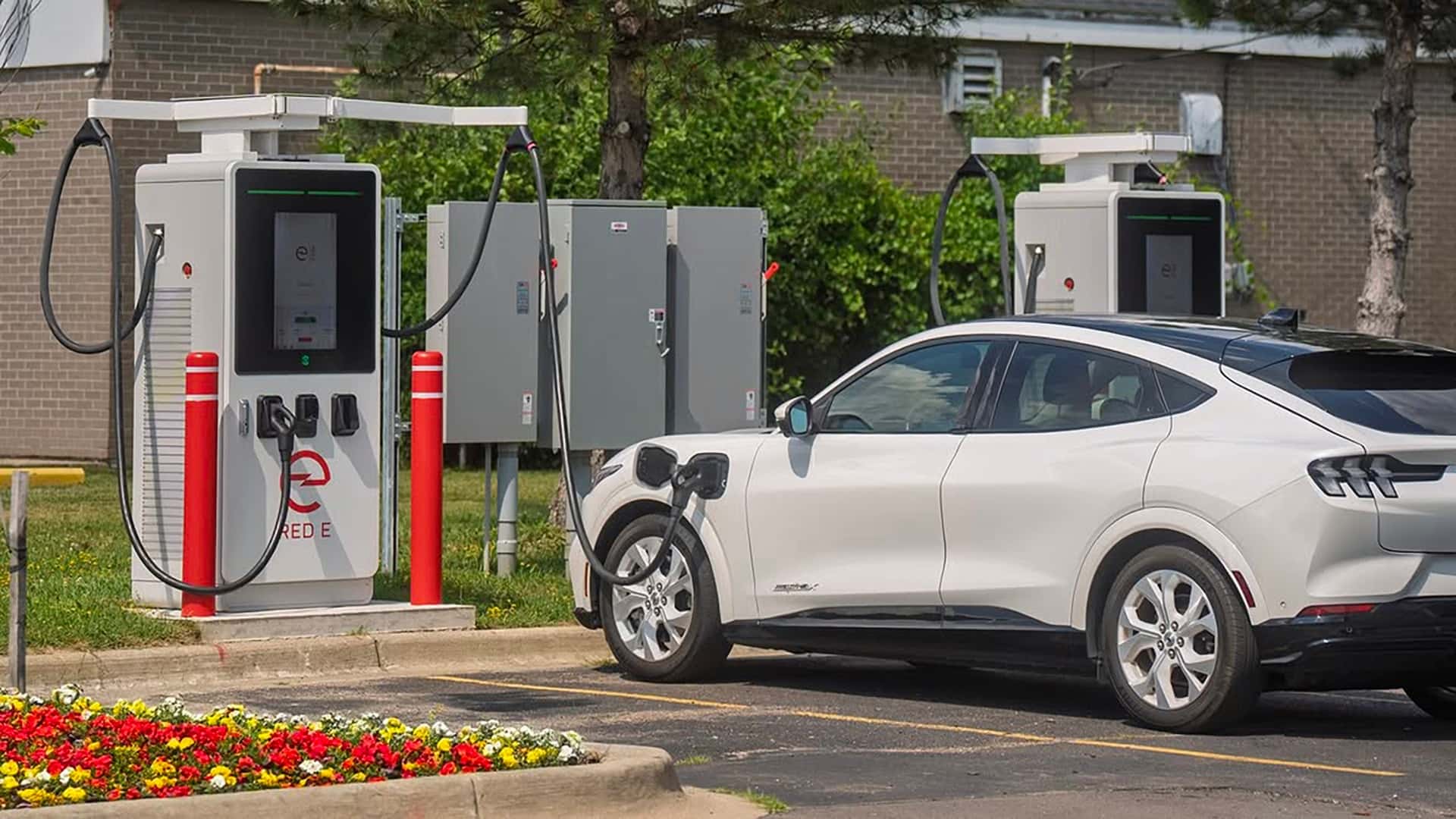
In August 2025 alone, Toyota delivered only slightly more than 1,000 bZ4X vehicles. The current increase therefore represents more than an ordinary monthly fluctuation. Through August 2026, the Toyota bZ even ranked ahead of the Ford Mustang Mach-E, which sold 15,484 units over the same period.
In the first half of the year, the bZ was the fourth-best-selling electric car in the US. Ahead of it were the Hyundai Ioniq 5, the Tesla Model 3, and the Tesla Model Y.
Longer range and NACS make the difference
Toyota has updated the model in the areas that matter most. Depending on the version, the new bZ offers a longer range, improved charging features, a standard integrated North American Charging Standard (NACS) port, and a redesigned interior. Direct access to a large fast-charging network is a tangible advantage in North America.
The cockpit now features a 14-inch touchscreen with wireless Apple CarPlay and Android Auto. This allows Toyota to address several weaknesses of the previous bZ4X without having to develop an entirely new vehicle.
| US model | Starting price | EPA range |
|---|---|---|
| Toyota bZ XLE with front-wheel drive | $34,980 | around 380 km |
| Toyota bZ XLE Plus with front-wheel drive | $37,980 | around 505 km |
| Toyota C-HR Electric | $37,080 | not specified |
| Toyota bZ Woodland | $45,380 | not specified |
More affordable electric cars boost the US market
The average transaction price of a new electric car fell to $54,754 in August. That was 1.3% less than in July and 2.8% less than a year earlier. The gap compared with equivalent combustion-engine vehicles narrowed to $4,847, or 9.7%.
Alongside the Tesla Model 3, more affordable models such as the Toyota bZ, the electric Toyota C-HR, and the Chevrolet Bolt were the main contributors to this trend. Lower purchase price → larger target group, especially following the end of generous incentives.
What the US figures mean for Europe
The sales figures and prices cannot be applied directly to Germany, Austria, or Switzerland. The NACS port is primarily relevant to North America, while European electric cars generally use CCS2. The stated EPA range figures are also not directly comparable with WLTP figures.
Nevertheless, the bZ’s success sends a clear signal: Toyota can achieve significantly stronger EV sales when range, charging, interior, and price are improved at the same time. With three electric SUV models now available in the US, what was previously a single-model offering is increasingly becoming a genuine product family.