Tesla Dominates South Korea’s Import Market
Tesla continued its strong run in South Korea in August 2026. With 10,400 new registrations, the brand led the import market for the seventh consecutive month and achieved a market share of 34.9% in the segment.
The gap over its German premium competitors is particularly notable. BMW registered 6,180 vehicles and Mercedes-Benz 4,037. Tesla therefore finished just ahead of the two brands combined, marking the third time it had done so in 2026 after April and May.
| Metric | August 2026 |
|---|---|
| Tesla total | 10,400 registrations |
| BMW | 6,180 registrations |
| Mercedes-Benz | 4,037 registrations |
| Tesla’s share of the import market | 34.9% |
| Year-over-year change | up 30.4% |
Model Y Becomes the Country’s Best-Selling Car
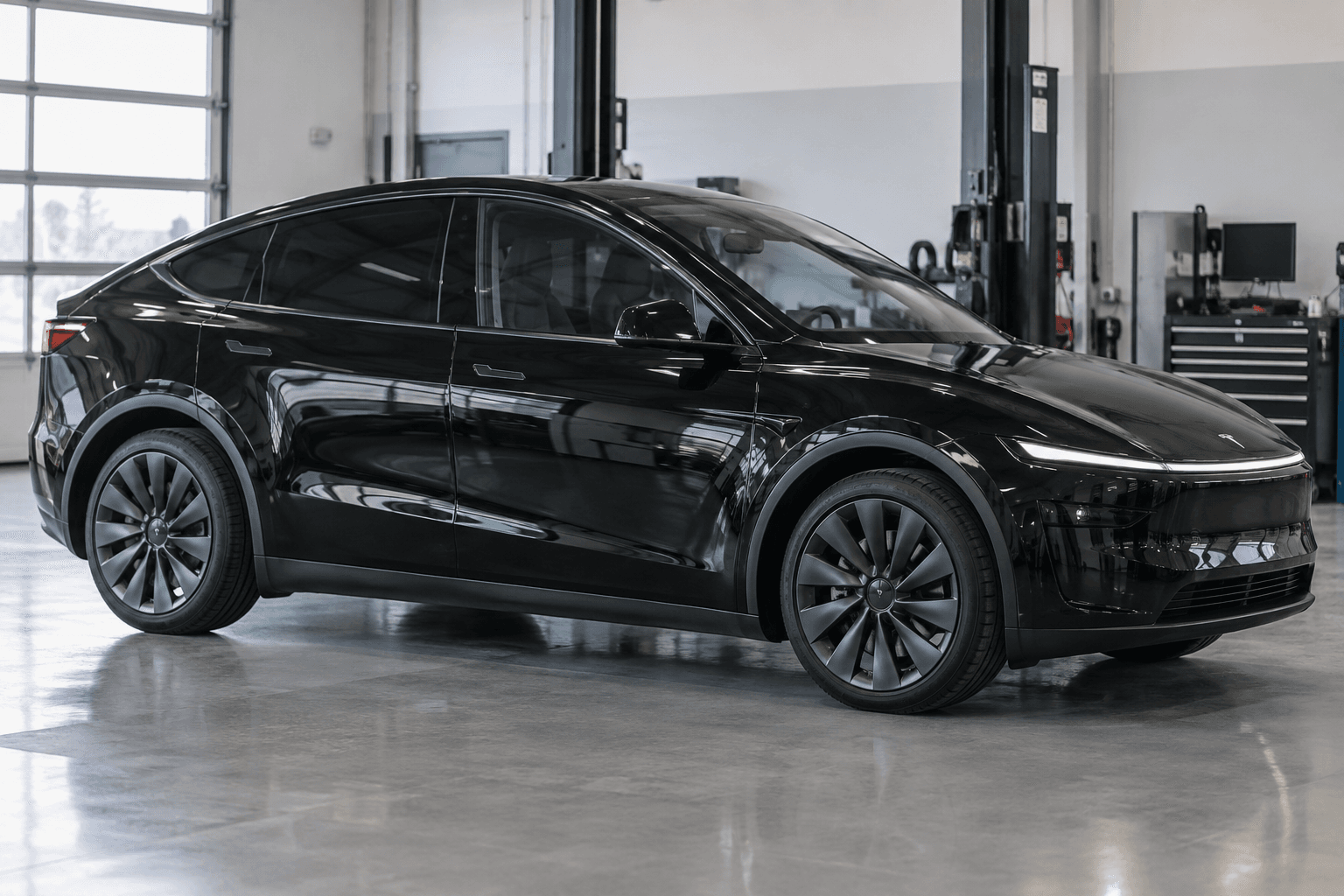
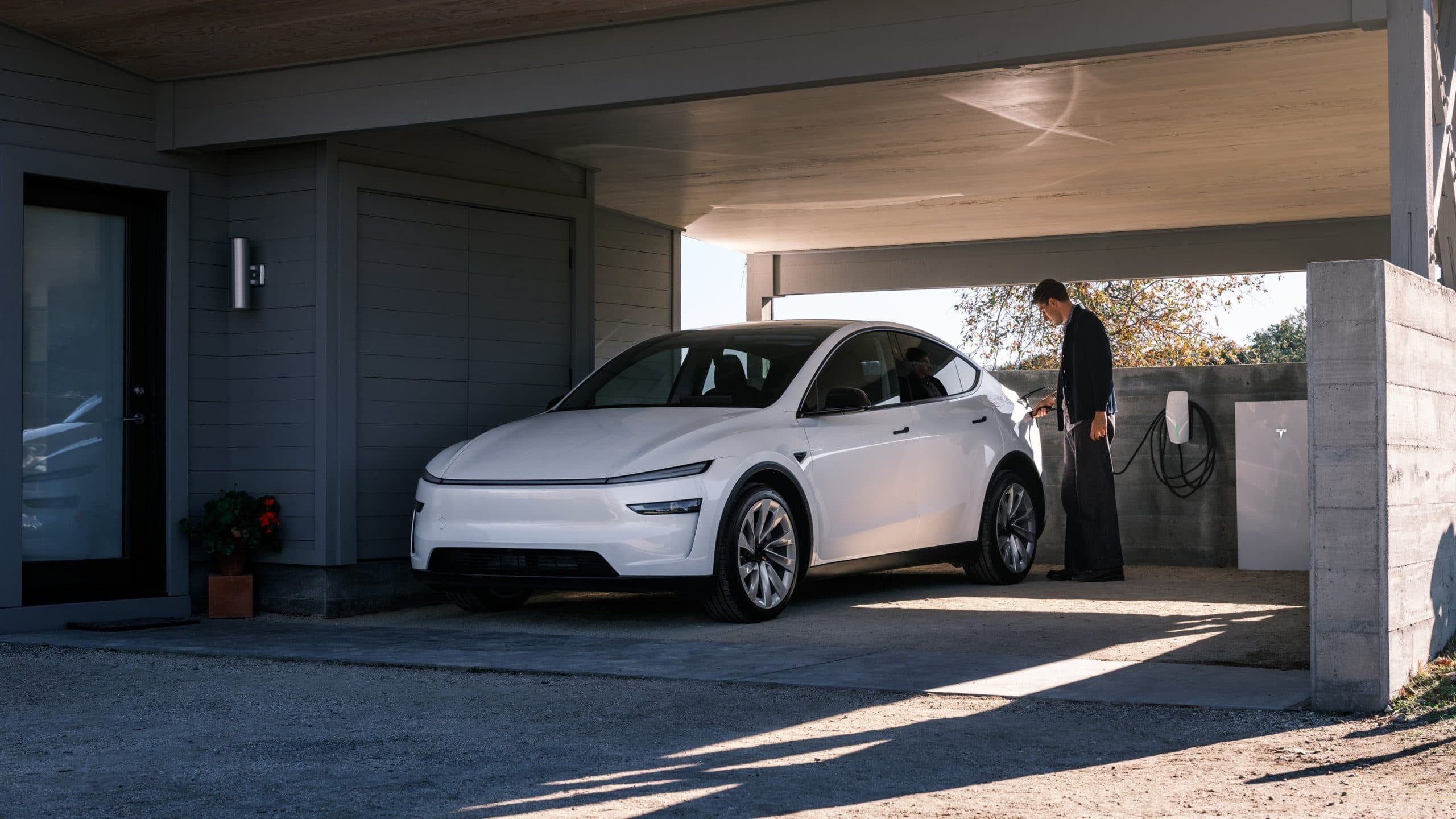
The real star remains the Tesla Model Y. In August, the electric SUV recorded 9,638 registrations. That represents roughly one-third of all newly registered imported vehicles in South Korea.
The leading version was the Model Y Premium, with 7,490 units. This was followed by 1,746 examples of the longer Model Y L and 402 Model Y Premium Long Range vehicles. The model names and available variants differ in some respects from Tesla’s European lineup.
The Model Y did not merely leave other imported cars behind. It also overtook the Kia Sorento, the best-performing model from a South Korean manufacturer, which recorded 6,397 registrations. The Model Y’s lead was therefore 3,241 vehicles.
An imported electric car topping South Korea’s entire passenger-car market is a powerful signal in a domestic market shaped by Hyundai, Kia, and Genesis.
Third Overall Monthly Win Within a Few Months
For the Model Y, this was already its third overall monthly win in 2026. Tesla’s SUV had previously topped the nationwide model rankings in May and July. In July, 8,705 registrations were enough for a narrow lead over the Hyundai Grandeur.
The brand itself has also maintained a high level for months. August was the sixth consecutive month with more than 10,000 Tesla registrations. The company set its monthly record for the year in April, with 13,190 vehicles.
Tesla Posts Strong Year-Over-Year Growth
From January through August, 76,776 Teslas were newly registered in South Korea. In the same period of the previous year, the figure was 34,543 vehicles. That represents growth of 122.3%.
The Model Y alone has reached 61,702 units since the beginning of the year. It trails the Kia Sorento by 6,274 vehicles in the overall rankings, with four months of the year remaining. The gap is therefore substantial, but not insurmountable given the latest monthly figures.
Monthly registrations should nevertheless not be interpreted in isolation as a pure demand curve. For imported vehicles, ship arrivals, delivery waves, and the availability of individual variants can noticeably affect the results. However, Tesla’s seven-month lead and strong year-to-date growth show that its success amounts to more than a single delivery wave.
What the Figures Mean for Europe
The South Korean market cannot be directly compared with Germany, Austria, or Switzerland. Purchase incentives, model availability, local competition, and registration patterns differ significantly. Nevertheless, the result confirms that the Model Y remains competitive even in a technologically sophisticated market with strong domestic brands.
This increasingly applies to the extended version as well. A range test of the Tesla Model Y L has already demonstrated the potential of the larger variant. However, Tesla has not yet confirmed whether it will officially offer the model in the DACH region—the German-speaking markets of Germany, Austria, and Switzerland.
The regular Model Y also remains a key volume model in Europe. In the 2026 electric-car rankings for Western Europe, the SUV likewise retained the top spot. South Korea now provides further evidence that Tesla’s most important model can continue to generate enormous international appeal.