Mercedes sees an economic advantage for electric vans
Mercedes-Benz Vans wants to convince more trades businesses and fleet customers to switch to electric vans. According to the company, today’s electric vehicles now have purchase prices that are nearly on a par with comparable combustion-engine models.
In day-to-day operation, lower maintenance costs and suitable commercial electricity tariffs can provide additional benefits. However, the specific usage profile remains crucial, as mileage, payload, downtime and electricity costs vary significantly from one business to another.
For commercial electric vehicles, range is not the only deciding factor; what matters is whether charging can be reliably integrated into operations.
Battery size and charging plans must be aligned
Mercedes is therefore focusing on individually planned solutions. The battery should match the daily mileage, while charging points and the grid connection should be tailored to the size of the vehicle fleet.
The largest possible battery is not automatically the best choice for tradespeople. Greater capacity increases the vehicle’s weight and can reduce the available payload. If the 3.5-tonne threshold is exceeded, additional requirements relating to tachographs and driving hours may apply, depending on the area of use and national regulations.
For businesses in the DACH region—Germany, Austria and Switzerland—this means that range and purchase price should not be the only factors assessed before ordering. Payload, driving licence category, route profile and the site’s technical capabilities must also be included in the calculation.
These factors are important for fleet operators
- realistic daily mileage rather than the maximum advertised range
- sufficient downtime for overnight charging
- grid connection and dynamic load management for multiple vehicles
- payload after installation of the battery and industry-specific bodywork
Motorway charging is no longer the main problem
Mercedes believes that the public fast-charging network along major long-distance routes has improved significantly. As a result, conventional EV range anxiety is becoming less relevant for many commercial applications as well.
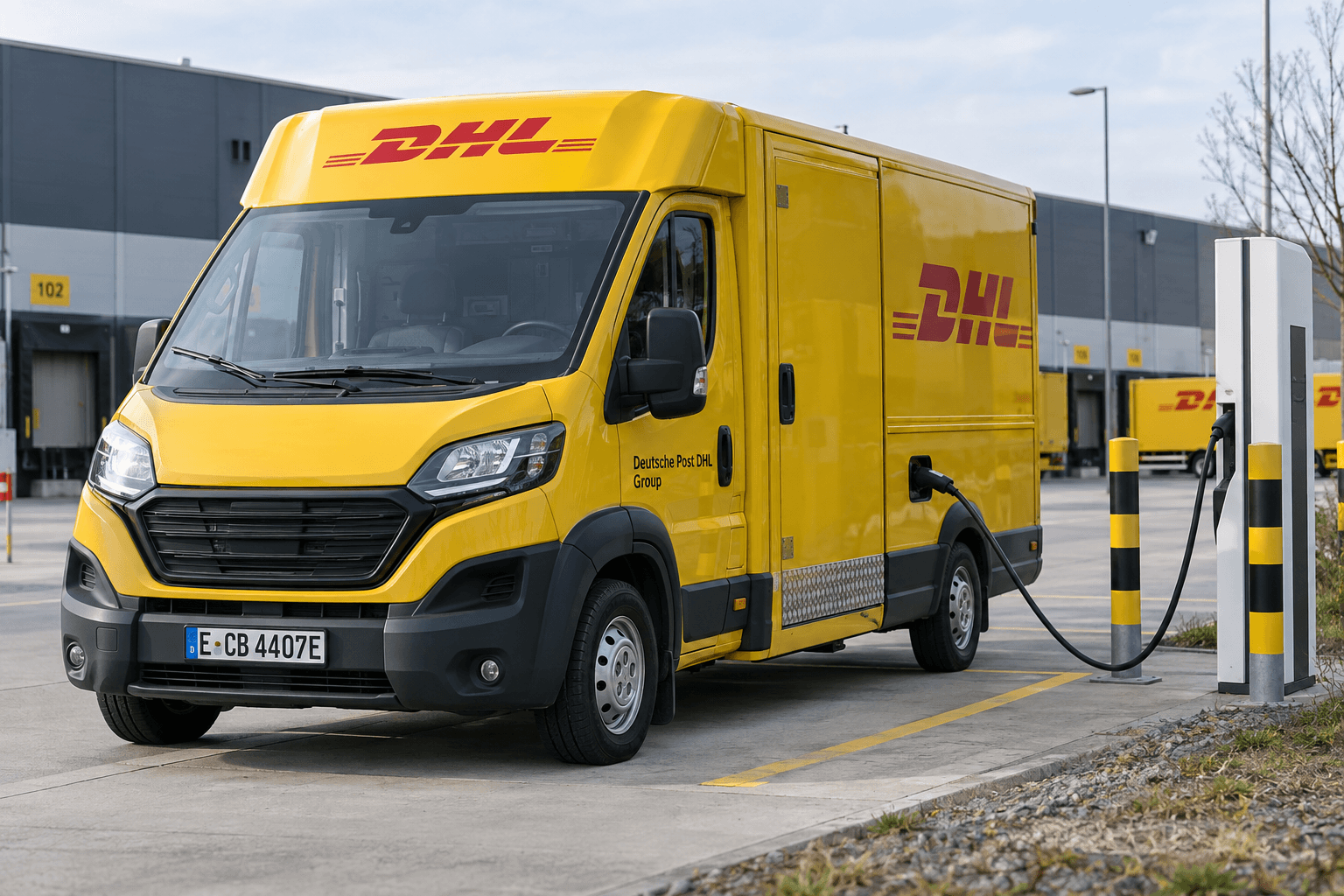
The greater obstacle is at the depot. When numerous vans need to charge simultaneously at high power, existing grid connections are often insufficient. Intelligent load management can distribute the available power, but for rapidly growing fleets it cannot replace a connection with adequate capacity.
Overnight charging is particularly attractive when the vehicles are parked anyway. However, the transition remains more challenging for businesses without their own parking spaces or with multiple decentralised locations.
Pricing strategy is being adapted to the market
Mercedes acknowledges that higher prices for electric commercial vehicles cannot simply be imposed on the market. Instead of a blanket electric-vehicle premium, competitive offers, advice and service are intended to make the difference.
Pressure is also increasing due to new providers and models. Alongside Chinese manufacturers, established brands are expanding their ranges, including with the announced Kia PV7 electric van. Mercedes sees an advantage in its close cooperation with European bodybuilders, which convert base vehicles into ambulances, mobile workshops and camper vans, among other applications.
VLE aims to open up a new luxury segment
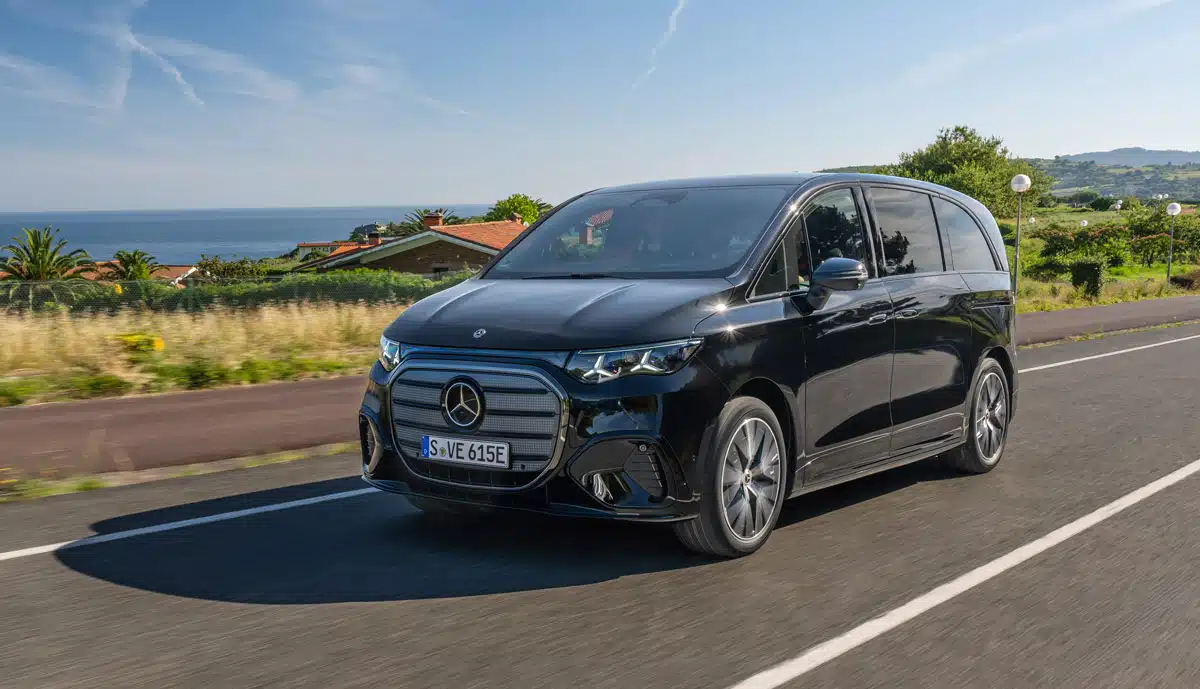
With the electric VLE, Mercedes is also planning a comfort-focused shuttle designed to combine the qualities of a saloon with the spaciousness of a large people carrier. The brand is targeting markets including the United States and South Korea.
For the DACH market, the model primarily demonstrates how broadly Mercedes intends to position its new electric van architecture. At the same time, the company continues to offer combustion engines in some regions because fleets, charging infrastructure and regulatory frameworks are being electrified at different rates around the world.
The real obstacle is at the depot
Electric vans become more economically attractive when purchase, energy and maintenance costs are considered together. For many trades businesses, range is probably no longer the decisive argument against them.
The bottleneck is shifting to the site: the vehicles are available → charging points, grid connections and operating processes must follow. Mercedes is therefore addressing a key issue, because without reliable overnight charging, even an attractively priced electric van offers only limited benefits.