Tesla Pushes Back Against FSD Rumors in China
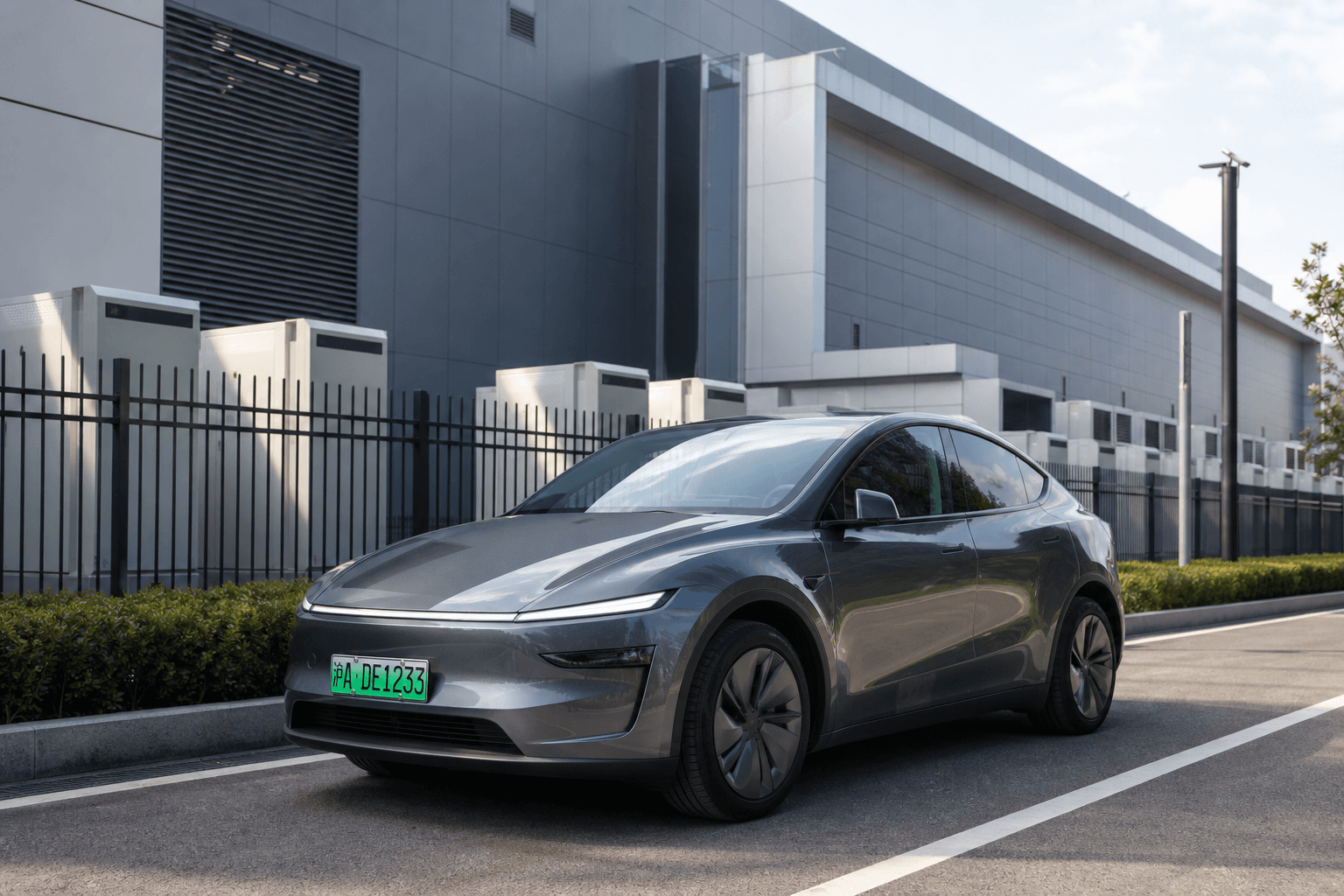
Rumors have recently circulated in China that Tesla was scaling back or even halting its plans for Full Self-Driving (FSD). Social media posts specifically claimed that the Shanghai data center had been “cleared out,” teams had been withdrawn, and positions had been cut.
Tesla has now clarified the situation: The Shanghai data center remains in normal operation, and work on introducing FSD in China is continuing. Tesla also emphasizes that hiring for FSD-related positions is increasing rather than decreasing.
Why the Speculation Emerged in the First Place
Some of the confusion likely stems from a section of Tesla’s North American support website. Tesla currently lists the markets where customers can purchase an FSD subscription. China does not appear on this subscription list, which was quickly interpreted as a “withdrawal.”
However, that does not automatically mean that “FSD does not exist there” or that the “rollout has been canceled.” In its communications, Tesla distinguishes between the general availability of features and the specific sales model—subscription versus other options—which is relevant given the differing regulatory environments around the world.
China Is a Special Case for FSD, and Not Just Technically
There are several reasons why China is particularly sensitive in the context of FSD. For one, data and compliance requirements play a major role. Tesla established a data center in Shanghai back in 2021 so that data generated by vehicles in China could be processed and stored within the country.
Driving in Chinese cities also involves highly specific traffic patterns and, in some cases, different infrastructure and regulatory details. An assistance system does not need to be developed “entirely from scratch” for this, but it does require local tuning, validation, and approval processes.
New Name, Same Direction
Tesla has also renamed the system in China, where it is now referred to as “Tesla Assisted Driving.” This is primarily a matter of communication and regulation: The term is intended to make it clearer that this is assisted driving, not autonomous driving without driver supervision.
“FSD Supervised” is also the relevant classification in other markets. For more context, see our overview of the current state of Tesla’s FSD development on HW4.
Tesla Is Even Taking Action Against the Rumors in China
Notably, Tesla has gone beyond simply issuing a denial and, according to reports, has also reported the rumors to the police. This shows how seriously Tesla takes the potential reputational damage in one of the world’s most important EV markets.
What This Means for Drivers in Europe
For the DACH region—Germany, Austria, and Switzerland—the issue is primarily of indirect relevance. China is a huge data and training market, and progress in complex traffic scenarios could also benefit other regions in the medium term, depending on regulation and local adaptation.
Anyone generally interested in Tesla’s models can find the key specifications for the Tesla Model 3 and the Tesla Model Y in our database. And if you want to explore the subject of autonomous driving in greater depth, Elektroquatsch also has a dedicated Autonomous Driving category (depending on the homepage structure).
Assessment: No Sign of a Withdrawal, but the Timeline Remains Unclear
Overall, Tesla’s statement clearly contradicts claims that the project has been halted: The data center is active, hiring is increasing, and development is continuing. What remains unclear is exactly when FSD will actually receive a broad rollout in China. Experience suggests that this depends less on individual teams and more on testing, local approval, and clearly positioning the product within each respective market.