New Stellantis contracts meet with reluctance
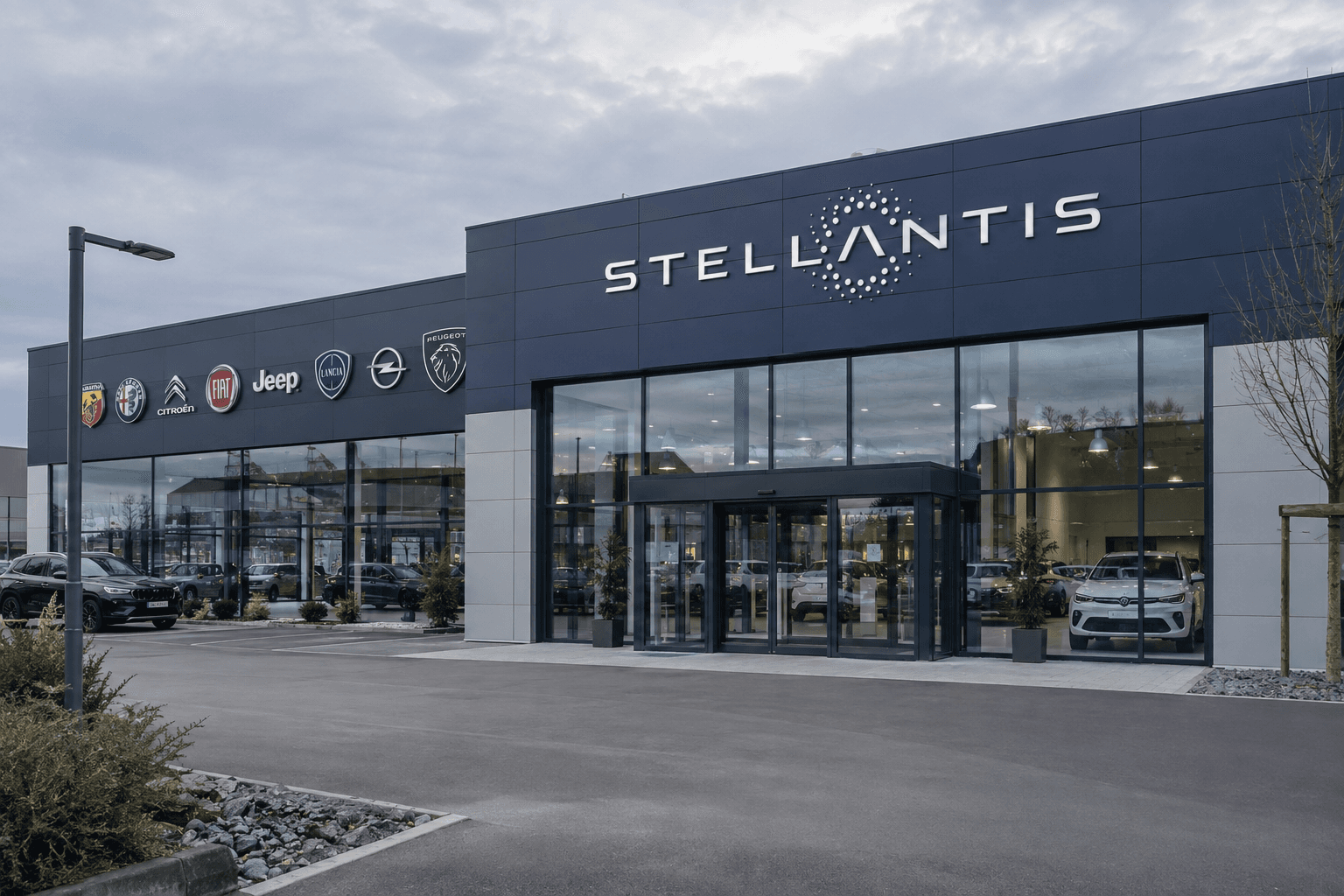
Stellantis wants to put its German sales network on a more reliable footing again from 2027. However, according to industry reports, some retail partners are apparently hesitant to sign the new contracts. Some dealerships could scale back their involvement or withdraw entirely from selling individual group brands.
The planned agreements are open-ended and are therefore intended to provide greater planning certainty. At the same time, Stellantis has abandoned the agency model it had previously considered. The dealerships will remain traditional dealers, purchasing vehicles and reselling them on their own account.
New contracts alone will not repair the relationship. What matters is whether Stellantis can consistently offer its partners reliable margins, functioning processes, and competitive models.
Why the traditional dealer model is returning
Under the agency model, the manufacturer typically sets the final price, while the local business handles the transaction and customer support. This reduces the dealership’s flexibility on pricing but can result in more consistent offers. Under the traditional model, the dealer bears more financial risk but also has greater freedom over prices and discounts.
At Stellantis, dealership prices will be able to differ from the online prices of the respective brand in the future. This gives businesses room to negotiate, but it may also reduce transparency from the customer’s perspective. Anyone looking to buy a vehicle from Opel, Peugeot, Citroën, Fiat, or Jeep should therefore compare the online offer and the dealership price carefully.
Trust has been strained for years
The current reluctance comes as no surprise. In recent years, dealers have complained about declining margins, problems with vehicle supply, and unreliable IT systems, among other issues. Such difficulties affect dealerships directly because they are responsible for advising customers, delivering vehicles, and providing service.
Stellantis has already responded, including by increasing base margins. It has also reorganized its field sales operations and created additional service positions. Whether these measures are sufficient is likely to become clear from how many partners actually accept the contracts.
Fourteen brands make sales operations demanding
Stellantis brings together 14 automotive brands worldwide. In Europe, these include Peugeot, Citroën, Opel, Fiat, Jeep, Alfa Romeo, DS Automobiles, Abarth, Lancia, and Maserati. Ram, Dodge, and Chrysler also play an important role in North America.
This breadth creates economies of scale in platforms, powertrains, and software. At the same time, the brands must be positioned clearly at dealerships and achieve economically viable sales volumes. Smaller brands in particular need committed partners even though their sales potential is more limited.
What works in Stellantis’s favor
- Shared vehicle platforms can reduce development and production costs.
- Several established brands cover different price points and vehicle segments.
- Registrations began rising again in Europe in 2026, particularly in Germany.
What puts pressure on dealers
- A large number of brands increases complexity in sales, service, and spare-parts supply.
- Differences between online and dealership prices may lead to disputes with customers.
- Earlier margin cuts, delivery problems, and IT failures apparently continue to have an impact.
Financial figures show both positives and negatives
The group is going through a challenging financial period. For 2025, it reported a net loss of €22.3 billion, which Stellantis attributed largely to exceptional charges related to its strategic realignment. Revenue fell by 2% to €153.5 billion.
| Metric | Change |
|---|---|
| 2025 revenue | €153.5 billion, down 2% |
| 2025 net result | Loss of €22.3 billion |
| EU30 registrations, first half of 2026 | 1.37 million vehicles, up 3.8% |
| Passenger-car registrations in Germany, first half of 2026 | More than 183,000 vehicles, up 15% |
For fully electric cars, Stellantis reported that new registrations in Germany more than doubled over the same period. Fiat, Citroën, and Opel performed particularly well. This recovery strengthens the group’s case, but it does not automatically resolve dealers’ financial concerns.
Why a stable dealer network remains important
Brick-and-mortar dealerships remain relevant, especially for electric cars. Customers expect advice on charging, range, financing, and software, while repair shops must develop new expertise in high-voltage technology. A thinner network could therefore affect not only sales but also service quality and customer retention.
The contract discussions relate specifically to the German market. The terms cannot automatically be applied to Austria and Switzerland because sales structures and contract models are organized nationally. Nevertheless, the development is relevant to the entire DACH region—Germany, Austria, and Switzerland—because decisions by major manufacturers often send a signal to the European automotive retail sector.
Stellantis can point to rising registrations and a broad model range. For a sustainable relaunch, the group must now demonstrate that better terms and new structures deliver results in dealerships’ day-to-day operations. If it succeeds, the relationship could stabilize. If dealers remain skeptical, even an attractive model range will be harder to market nationwide.