Mercedes-AMG Goes Electric, Using Software to Create a “V8 Feel”
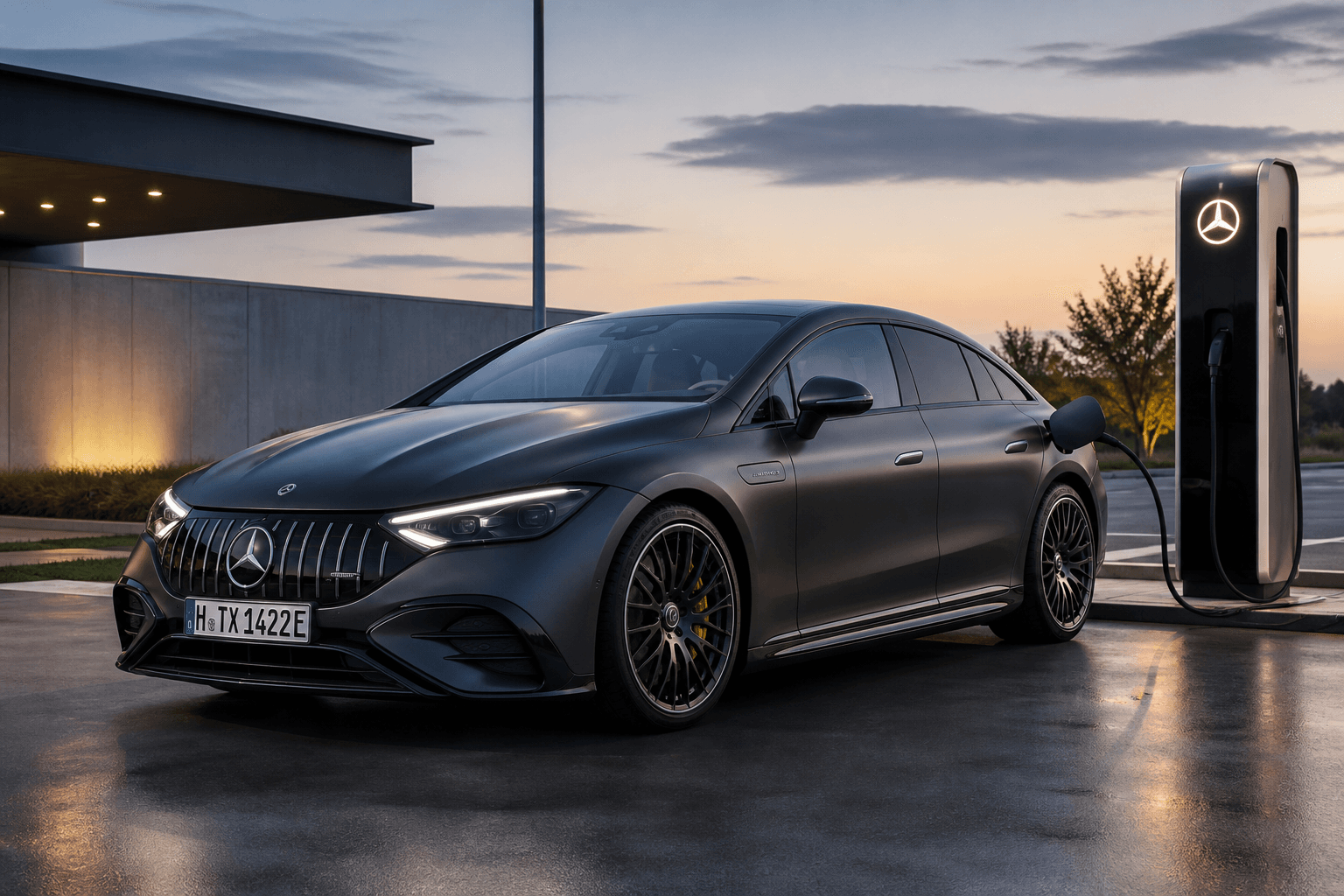
Mercedes-AMG is increasingly extending its performance strategy to electric powertrains, focusing not only on impressive performance figures but also on the driving experience. This includes artificially generated sounds, vibrations and feedback that can be activated as optional features. The aim is to provide familiar, emotional feedback that many drivers miss in quiet EVs, especially when coming from powerful combustion-engine cars.
In this context, the Mercedes CEO described the new electric AMG models as the “best V8” he has ever driven. That is, of course, deliberately provocative, but it makes a valid point: Electric powertrains deliver power and torque instantly, and well-designed feedback can make that performance feel even more intense.
What Mercedes Is Actually Trying to Achieve With Sound, Vibrations and “Feel”
On paper, artificial engine sound can quickly seem like a gimmick. In practice, however, it serves a tangible purpose: orientation and control. During sporty driving, drivers use acoustic and haptic signals to intuitively gauge speed, power delivery and traction. With a combustion engine, this happens automatically; in an EV, it has to be actively designed.
Mercedes is therefore simulating not only sound but also accompanying effects such as carefully calibrated vibrations. This creates more of a “dialogue” between the car and the driver. In short: A quiet, smooth EV → less natural feedback; feedback features switched on → a stronger sense of speed and changes in power delivery.
Why This Is Relevant to More Than Just Hardcore Enthusiasts
In everyday driving, tangible feedback can genuinely help because the power delivery of a high-performance electric drivetrain feels so effortless that it can easily be underestimated. By contrast, drivers who receive a clear acoustic or haptic signal often apply the power more calmly and consistently. The most important point is that the entire system can be switched off: No one is forced to drive with “artificial noise.”
“The Customer Isn’t Quite Ready Yet”—and Why That Is Plausible in DACH
Mercedes says that many customers are still mentally in a transitional phase. For some, switching from combustion engines to the world of electric performance feels like learning a new language. That fits the reality in DACH—the German-speaking markets of Germany, Austria and Switzerland: In Germany in particular, an engine’s sound and character carry strong cultural significance, and AMG has historically been closely associated with precisely that sense of emotion.
Mercedes is therefore pursuing a transitional strategy: It is expanding electrification while retaining conventional combustion engines as an option for the time being. This is less a step backward than a realistic response to the market, as long as infrastructure, prices and the available model range do not suit everyone perfectly.
How the Approaches Differ: Mercedes Simulates Combustion Engines, While Others Go Their Own Way
Mercedes wants to offer different sound characteristics depending on the model, including versions reminiscent of V6 or V8 engines. Other manufacturers prefer a distinctive, “synthetic” performance sound that does not directly imitate a combustion engine. Both approaches pursue the same goal: a more controllable and emotional driving experience.
Arguments in Favor of the Approach
- More feedback during sporty driving without sacrificing the efficiency benefits of an electric powertrain
- Optional use, with quiet driving possible at any time
- Software differentiation: Updates and profiles can noticeably change the driving experience
Common Arguments Against It
- Some drivers consider simulated sound artificial or unnecessary
- Too much theatrics can create expectations that do not match “real” mechanical feedback
An EV Perspective: Tesla Takes a Different Approach, and That Is Consistent Too
The contrast with Tesla is interesting: It has traditionally prioritized efficiency, immediate performance and a quiet driving experience, without trying to imitate the emotion of combustion engines. This is not a question of “better or worse,” but a design decision. Mercedes-AMG, by contrast, is deliberately targeting drivers who love familiar feedback but also want the benefits of an electric powertrain.
Those more interested in Tesla’s approach can find an overview of the key specifications and versions of the Tesla Model 3 and Tesla Model Y on our site. And anyone who wants to understand why some people still hesitate despite today’s strong driving ranges should read the guide to EV range anxiety.
What Buyers Can Take Away From This
When Mercedes-AMG positions electric cars as a “V8 with more punch,” it is less about sound alone and more about the complete feedback package. For everyday driving, that means you can get a performance EV that feels emotionally familiar without losing the typical advantages of an electric vehicle.
And the market is clearly moving in this direction: Performance is increasingly defined by the platform and charging architecture. That also makes it worth looking at the 800V vs. 400V comparison, because charging performance and thermal management are at least as important as “sound” in sporty electric cars.