Zerova enters Europe’s megawatt charging market
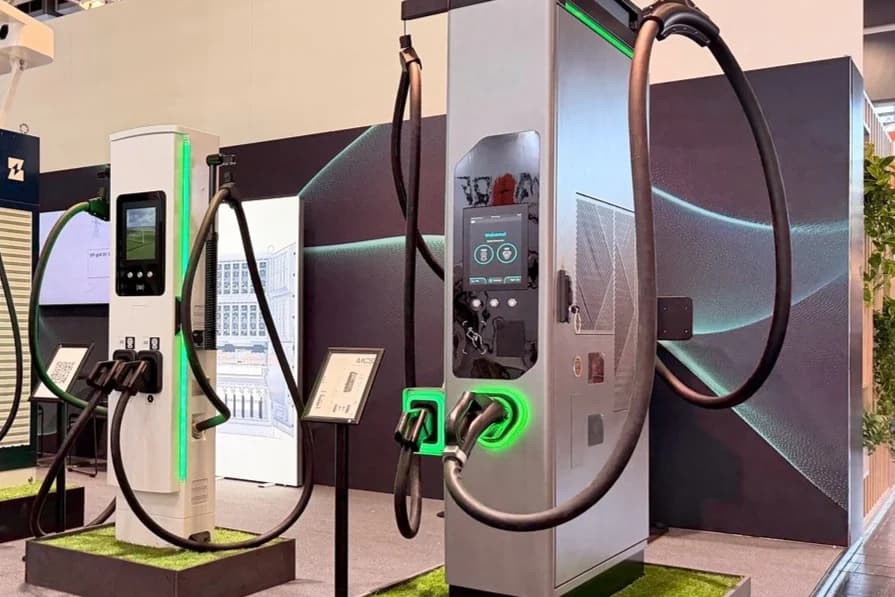
With a new Megawatt Charging System (MCS) dispenser, Zerova is expanding its European portfolio with a charging solution for heavy-duty commercial vehicles. According to the manufacturer, the system delivers up to 1,440 kW of charging power and a maximum charging current of 1,500 A.
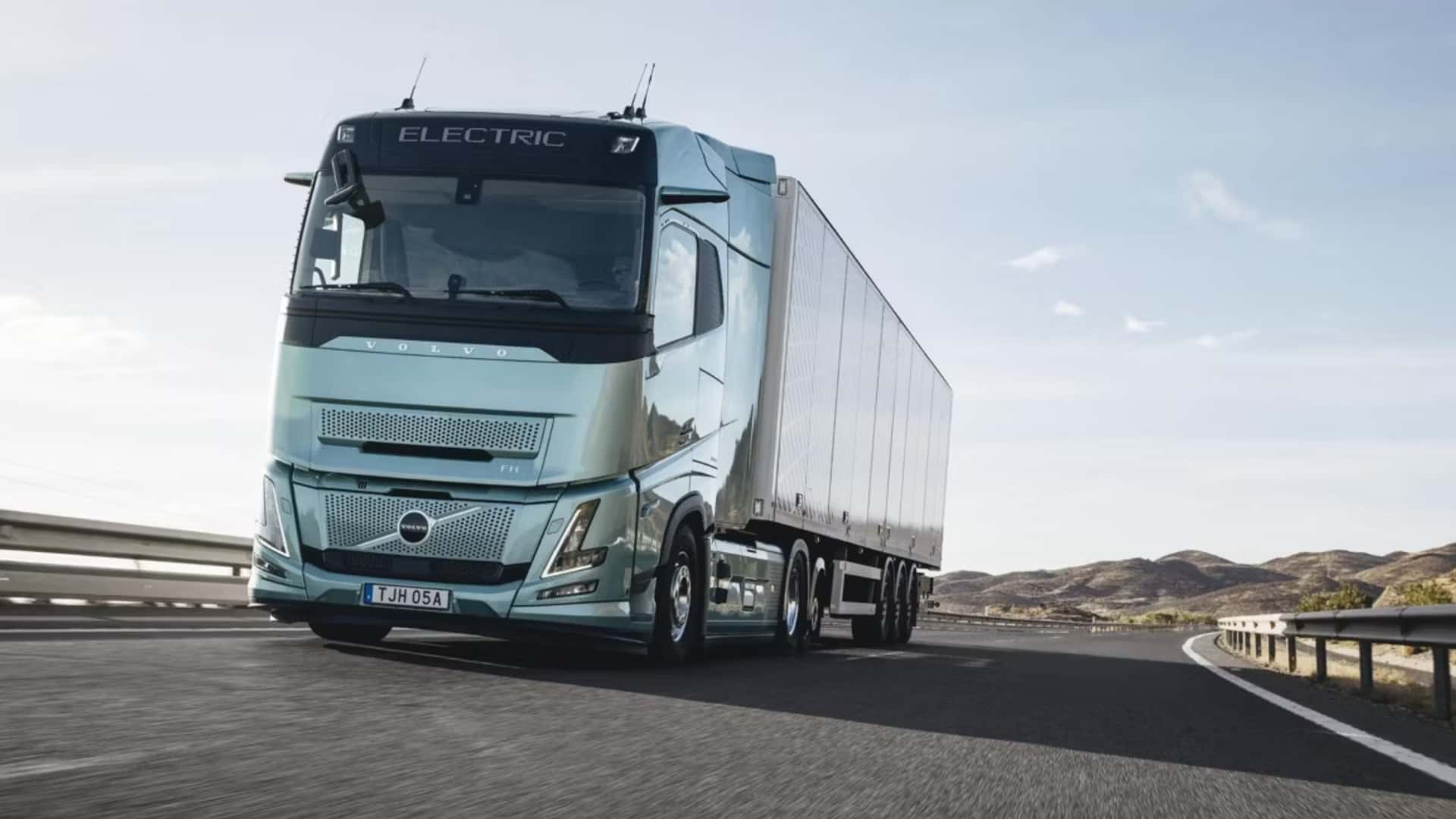
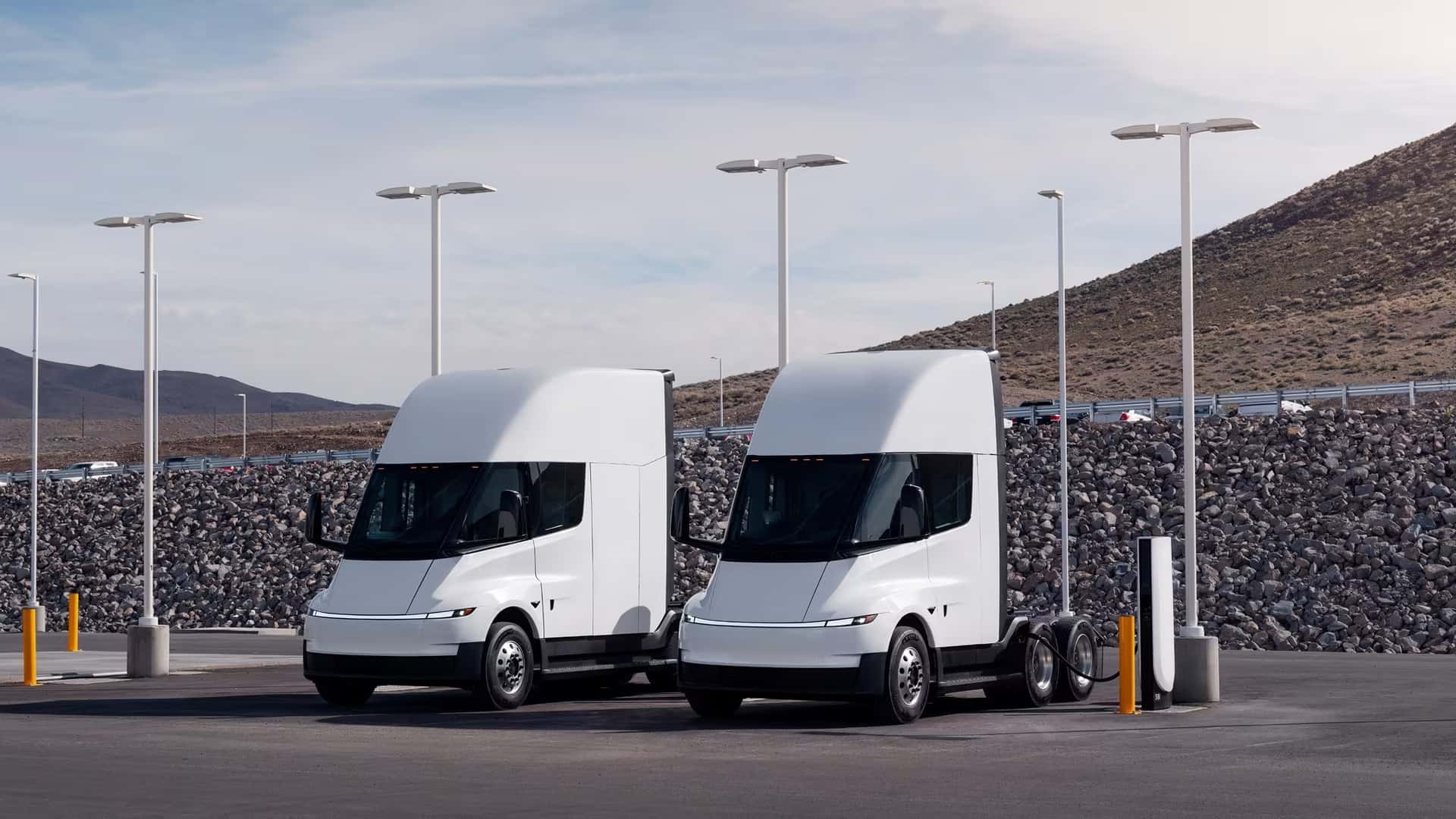
The megawatt charger will make its European debut at IAA Transportation, a major commercial vehicle trade show in Hanover. Zerova is primarily targeting operators of electric trucks, electric buses, fleet depots and public charging hubs along heavily traveled long-distance routes.
At 1.44 MW, charging large commercial-vehicle batteries during scheduled downtime moves significantly closer to practical operation.
Technical specifications of the MCS dispenser
The charging point itself is physically separated from the power electronics. It is based on the already available DO360 and DZ480 power cabinets. This design allows greater flexibility in locating the cabinets and can simplify maintenance and space planning at large depots.
| Feature | Specification |
|---|---|
| Maximum MCS charging power | 1,440 kW |
| Maximum charging current | 1,500 A |
| DO360 voltage range | 150 to 950 V DC |
| DZ480 voltage range | 200 to 950 V DC |
| Connectors | MCS or CCS |
| Cable length | 5 or 7 m |
| Display | 10.4-inch touchscreen |
| Backend protocols | OCPP 1.6J and OCPP 2.0.1 |
The charging cables are liquid-cooled and are available with either an MCS or Combined Charging System (CCS) connector. The maximum output of 1,440 kW applies to MCS. Zerova has not yet specified a peak output for the CCS connector.
What 1.44 MW means in everyday operation
In theory, a constant output of 1.44 MW could transfer up to 720 kWh of energy within 30 minutes. In practice, charging power and the amount of energy transferred will be lower because battery temperature, state of charge, the charging curve and auxiliary loads all play a role.
Nevertheless, the scale illustrates why MCS is crucial for heavy-duty long-haul transport. Large batteries can be recharged considerably faster during breaks or cargo-handling periods, provided the vehicle and grid connection support the required power. High figures alone are therefore not enough, as a megawatt charging hub requires an appropriately sized power supply and often a buffer battery.
For comparison, charging power above the current high-power charging class is also being discussed for electric cars, such as BYD’s announced 1,500 kW charging network. However, high power is especially important for electric trucks because much larger amounts of energy must be transferred within tight time windows.
MCS and CCS in one system
The combination of MCS and CCS makes the dispenser attractive for mixed fleets. While MCS is designed for particularly high currents and heavy-duty commercial vehicles, CCS remains available for vehicles with lower power requirements.
The voltage of up to 950 V is suitable for modern high-voltage platforms. Our comparison of 800-volt and 400-volt architectures shows how high system voltages affect current, cables and charging power.
Authorization and European standards
The unit is operated via a 10.4-inch touchscreen. The system supports RFID, QR codes and Plug&Charge for authorization. A credit card terminal can be integrated as an option, which is particularly relevant for publicly accessible charging hubs.
Backend connectivity is provided via OCPP 1.6J or OCPP 2.0.1. According to the manufacturer, the dispenser also meets CE requirements as well as IEC 61851-1 and IEC 61851-23. This provides the technical basis for use in the EU and the European Economic Area.
The grid connection remains the real hurdle
Charging power of 1.44 MW sounds attractive to logistics companies, but implementation ultimately depends on the location. Several electric trucks charging simultaneously can quickly create a power demand of multiple megawatts. Grid planning, load management and, where necessary, battery storage will therefore be just as important as the charger itself.
Zerova’s modular approach is generally well suited to this development. Operators can plan the power electronics and charging points in separate locations and adapt the installation to depot operations. Whether the system gains traction in the DACH region—Germany, Austria and Switzerland—will primarily depend on availability, service, price and the charging curves that current electric trucks can achieve in real-world conditions.