V2G could turn electric cars into flexible energy storage
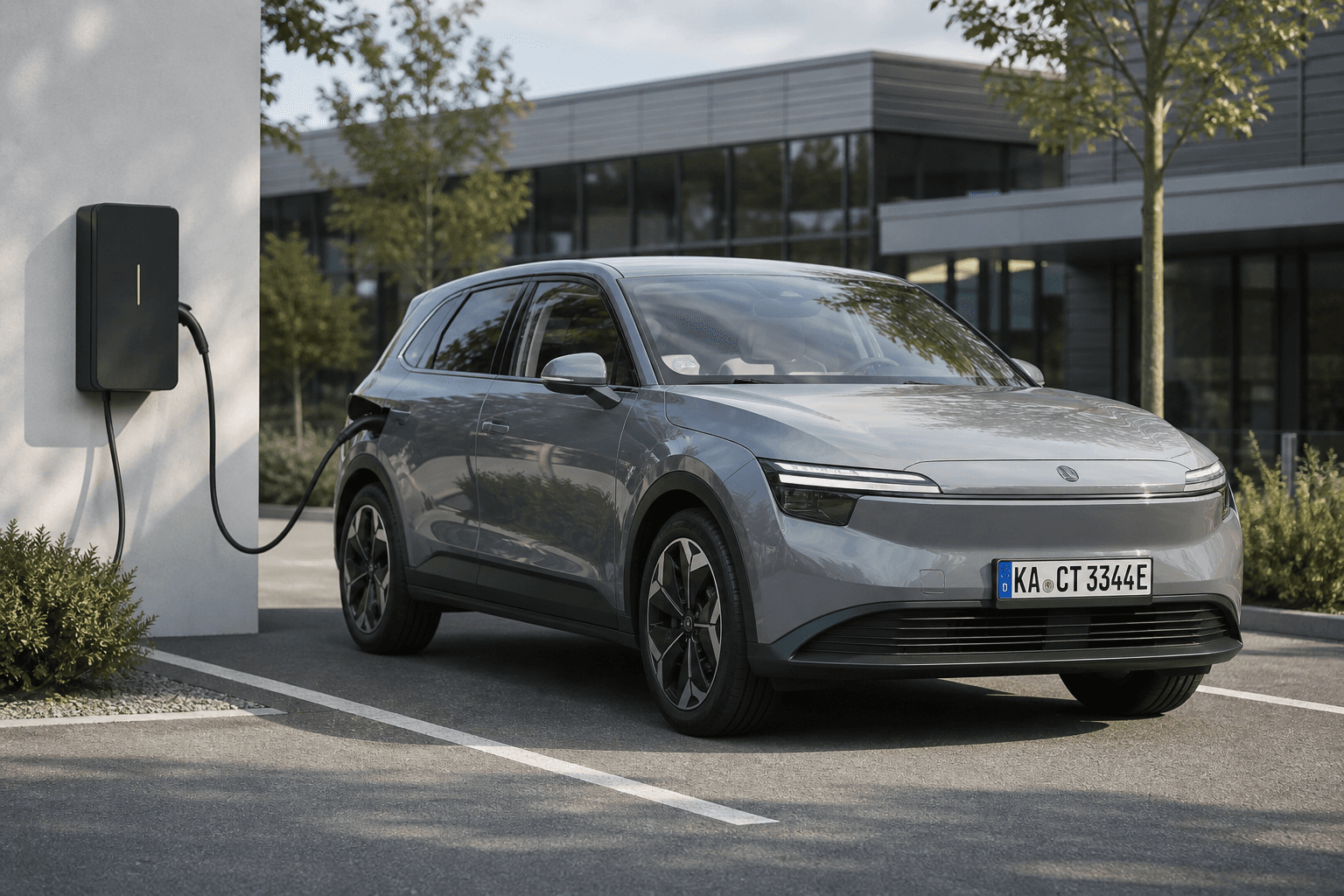
Electric cars spend much of the day sitting unused in parking spaces. During this time, their batteries could absorb surplus solar power, help manage demand peaks and, when needed, feed energy back into buildings or the public grid.
VDE, Germany’s Association for Electrical, Electronic & Information Technologies, is now investigating this potential in two research projects funded by the Federal Ministry for Economic Affairs. The projects cover not only vehicles and wallboxes capable of feeding power back, but also secure data flows, billing systems and access to energy markets.
The crucial advance lies in intelligently connecting electric cars, charging infrastructure, buildings and the power system.
BiFlex Industrie targets corporate fleets
The BiFlex Industrie project is testing electric vehicles with bidirectional charging at company sites. Corporate fleets are particularly suitable because many vehicles are used on predictable schedules and remain connected to the same charging points for extended periods.
An energy management system could charge the batteries specifically when electricity is inexpensive or abundant. If the company’s power demand rises, a limited amount of energy could flow back into the building. Solar power at midday → energy for business operations in the late afternoon.
The project is also examining whether companies can develop new revenue models with fleets of this kind. Possibilities include reducing costly demand peaks and receiving compensation for providing flexible capacity. The project is scheduled to conclude with a final conference in November.
How companies could benefit
- More on-site consumption of solar power generated on company roofs
- Lower demand peaks and potentially lower grid costs
- Backup power-like functions for selected loads
- Additional revenue from energy and flexibility markets
PeakSaver aims to make vehicle data usable
The second project, called PeakSaver, focuses on measurements and status data. These include the state of charge, available battery capacity, connection duration and maximum possible charging or discharging power.
This information must be processed securely and in standardized formats so that grid operators, energy providers and billing systems can use it. In the future, an electric car should be able to offer its flexibility regardless of which compatible charging point it is connected to.
At first, this may sound like a purely software-related issue, but it is essential in practice. Without reliable measurements, it is impossible to bill accurately or guarantee that the vehicle will be sufficiently charged by the desired departure time.
V2G, V2H and V2L are not the same
| Technology | Function | Typical use |
|---|---|---|
| V2G | Energy is fed back into the public power grid | Grid stabilization and flexibility markets |
| V2H | The electric car supplies power to a building | Self-consumption of solar power and load management |
| V2L | The vehicle powers individual electrical devices | Camping, tools and mobile power supply |
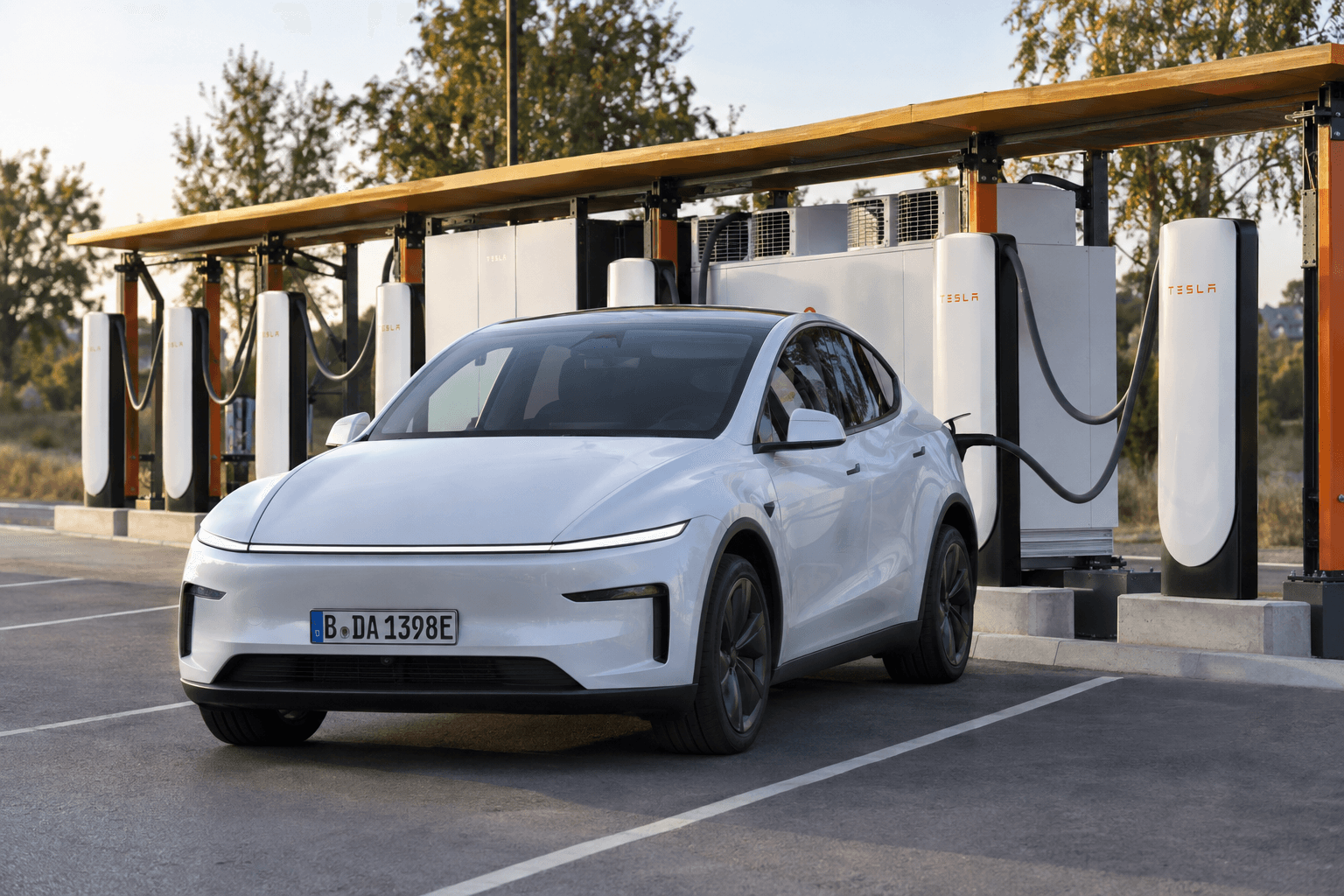
V2L in particular is considerably simpler from both a technical and regulatory perspective because it does not feed power directly into a home electrical system or the public grid. One example is the announced V2L solution for the Tesla Model Y. Genuine V2G, by contrast, requires certified charging equipment, a suitable metering system and the involvement of an energy provider.
Other manufacturers are also advancing the technology. For example, Hyundai and Kia are developing bidirectional charging services intended to connect vehicles with smart energy products.
Uniform standards will determine success
Interoperable interfaces are needed so that vehicles, wallboxes and energy management systems from different manufacturers can communicate with one another. One key foundation is ISO 15118, which specifies data exchange between electric vehicles and charging equipment.
Other relevant standards include IEC 61851 for basic requirements governing conductive charging systems and IEC 63110 for the digital management of charging infrastructure. Standards alone, however, will not solve every problem. Grid connection rules, metering, taxes, electricity tariffs and compensation for providing flexibility must also be aligned.
It is also important for users that mobility remains the priority. A good system takes the planned departure time and a specified minimum state of charge into account. The energy provider must not be allowed to access the entire battery at will.
142 GWh of battery capacity is already on the road
Germany’s more than two million electric cars have a combined battery capacity of around 142 GWh. However, this theoretical volume cannot be used in full to support the power grid.
Many vehicles are on the road, are not connected to a compatible charging station or need to remain charged for their next journey. Nevertheless, even a small share that is flexibly available could provide significant power, especially during brief demand peaks.
Regulatory conditions continue to differ across the DACH region—Germany, Austria and Switzerland. Each country must therefore integrate V2G into its grid charges, metering frameworks and energy markets. Technically compatible vehicles and charging points are only one part of the equation.
Bidirectional charging is moving closer to everyday use
The first commercial V2G services are now available in Europe, but the technology is not yet widely accessible. The two research projects specifically address the unresolved issues between vehicles, charging stations, data platforms and energy markets.
In the long term, this could deliver a tangible benefit for EV drivers: lower charging costs or compensation for making battery capacity available. Whether it makes financial sense, however, will depend on tariffs, hardware costs, parking duration and the rules in each country.