Three New Lotus Models for China: ICE Sports Car and 800-Volt Electric Performance
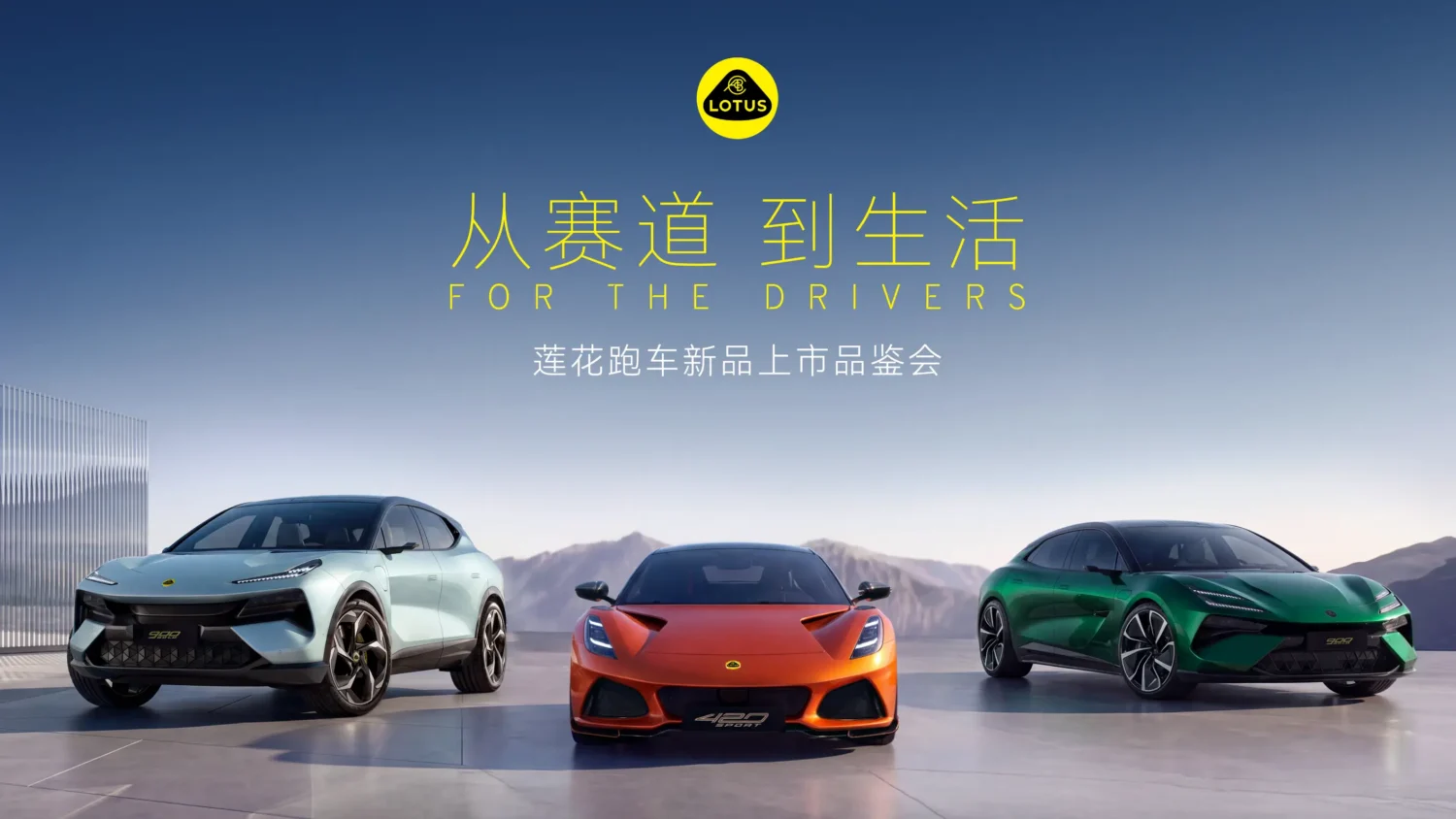
Lotus has unveiled three new variants in China, covering three very different segments: a mid-engine combustion sports car and two particularly powerful electric models, a sedan and an SUV. The focus is on the Emira 420 Sport and the new “900 Gold” versions of the Emeya and Eletre.
For the DACH region—Germany, Austria, and Switzerland—this is particularly interesting as a signal: China remains the pace-setter for performance EVs when it comes to equipment bundles, pricing, and the rapid rollout of new variants. At the same time, Lotus is showing that the brand remains committed to its traditional sports-car identity.
Pricing and Positioning: Lotus Opts for Clearly Defined Performance Packages
In China, the Emira 420 Sport starts at 988,000 to 1,188,000 yuan, depending on the version. The Emeya 900 Gold starts at 918,000 yuan, while the Eletre 900 Gold starts at 928,000 yuan. Converted, that roughly equates to a starting price of around US$135,000, although direct comparisons with Europe are of limited value due to taxes, imports, equipment, and exchange rates.
What is more interesting than the absolute figure is the product strategy: the “900 Gold” models are intended to offer a very high equipment level as standard instead of sending customers through lengthy option lists.
What Is New on the “900 Gold” Models
On the “900 Gold” versions of the Emeya and Eletre, several previously optional performance and design components are included as standard. These include a carbon-fiber kit, ten-piston brakes with carbon-ceramic discs, and fully active aerodynamics.
Lotus Emira 420 Sport: Lighter, More Downforce, AMG Four-Cylinder
The Emira 420 Sport is positioned as the most powerful and lightest Emira variant, with Lotus describing it as a road-legal track setup. It also features aerodynamic updates and weight-reduction measures, including a titanium exhaust system and a lightweight lithium battery for the vehicle’s electrical system.
Technically, it retains its mid-engine, rear-wheel-drive layout. Power comes from the AMG M139, a 2.0-liter turbocharged four-cylinder engine producing 420 hp and 500 Nm, paired with an 8-speed dual-clutch transmission. It is expected to accelerate to 100 km/h in 3.9 seconds and reach a top speed of 300 km/h.
Aerodynamics and Weight: Real-World Benefits Rather Than Bragging Rights
According to the manufacturer, the front airflow has been revised to increase the volume of air reaching the radiators, while brake cooling is also said to be more efficient. At 300 km/h, the changes are claimed to generate an additional 25 kg of rear downforce without increasing drag. In everyday use, that primarily means greater thermal stability when driving hard and a more stable feel at very high speeds.
Base curb weight is listed at 1,430 kg. An optional Lightweight Handling Kit is said to save a further 25 kg.
Lotus Emeya 900 Gold: 800 Volts, 420 kW Charging, and Hyper OS Cockpit
The Emeya 900 Gold sits at the top of the electric sedan’s performance range and combines an 800-volt architecture with dual-motor all-wheel drive. Total output is rated at 918 hp and 985 Nm. Lotus specifies a 102 kWh NCM battery pack from CATL with a CLTC range of 530 km.
Lotus is making very bold charging claims in China: 420 kW DC fast charging and 180 km of range in 5 minutes are said to be possible. For context in Europe, such figures depend heavily on the charger, battery temperature, state-of-charge window, and the relevant testing standard. Nevertheless, the direction is clear: short stops, high peak power, and extensive thermal management.
Inside, Lotus employs a highly tech-focused setup: two Qualcomm Snapdragon 8155 processors, a 15.1-inch OLED center screen, and a large AR head-up display with a 55-inch-equivalent image. In terms of the market’s software philosophy, this is a typical statement for China: powerful computing hardware, large displays, and numerous functions integrated into the user interface.
Lotus Eletre 900 Gold: SUV with 800 Volts and a High-Tech Chassis
The Eletre 900 Gold also uses the 800-volt platform, producing 918 hp and 985 Nm. Its battery is larger: 112 kWh (NCM, CATL), with a CLTC range of 560 km. Lotus also quotes 420 kW DC charging.
Performance figures include 2.95 seconds from 0 to 100 km/h and a top speed of 265 km/h. Those are impressive figures for a large SUV, although what matters most in everyday driving is how controllable the overall package remains.
To achieve this, Lotus equips it with a sophisticated chassis featuring dual-chamber air suspension, 48-volt active anti-roll bars, and active rear-wheel steering. It also has active aerodynamics with multiple apertures and spoiler positions designed to provide additional stability at high speeds.
Key Specifications at a Glance
| Model | Powertrain | Output | Battery | Range (CLTC) | DC Charging | 0 to 100 km/h |
|---|---|---|---|---|---|---|
| Lotus Emira 420 Sport | ICE, RWD, mid-engine | 420 hp | no traction battery | n/a | n/a | 3.9 seconds |
| Lotus Emeya 900 Gold | EV, AWD, 800 V | 918 hp | 102 kWh (NCM) | 530 km | up to 420 kW | 2.78 seconds |
| Lotus Eletre 900 Gold | EV, AWD, 800 V | 918 hp | 112 kWh (NCM) | 560 km | up to 420 kW | 2.95 seconds |
European Perspective: 800 Volts Is Becoming Standard, While China Dictates Equipment Packages
The announcement fits neatly into the broader trend: More and more manufacturers are adopting 800-volt systems for performance EVs because they allow high charging rates to be achieved more efficiently and with greater thermal stability, provided the cell chemistry, pack design, and infrastructure are up to the task. Readers looking to better understand the differences and their real-world impact can find our comparison of 800 V vs. 400 V in everyday use.
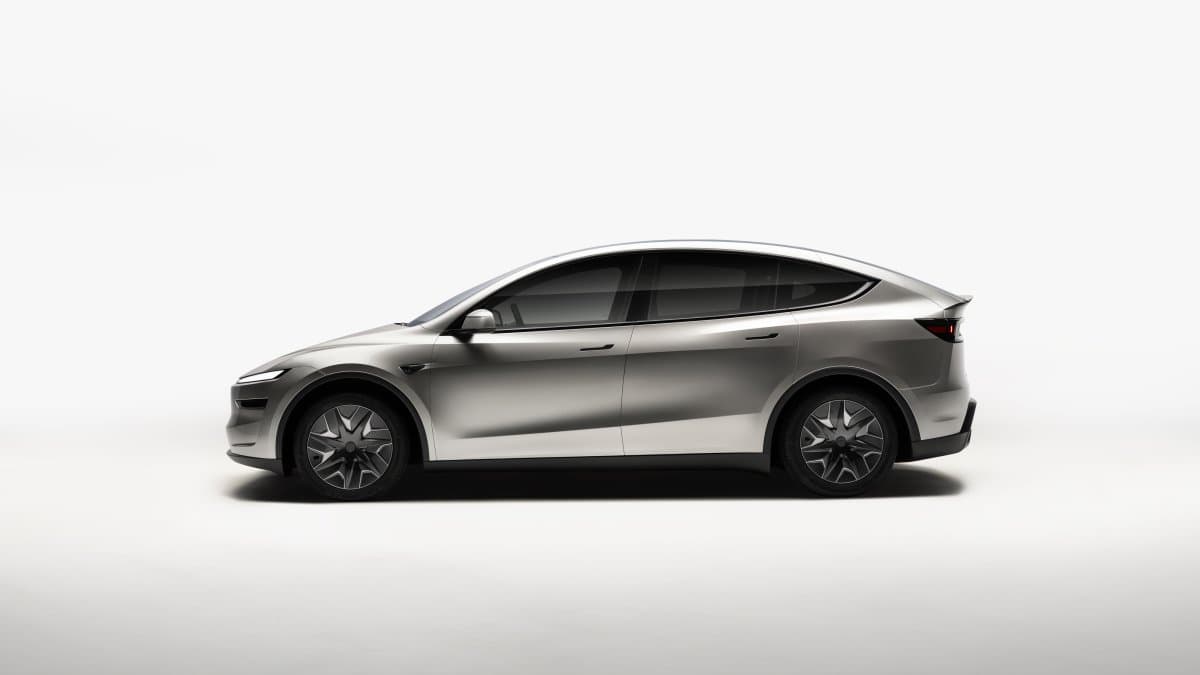
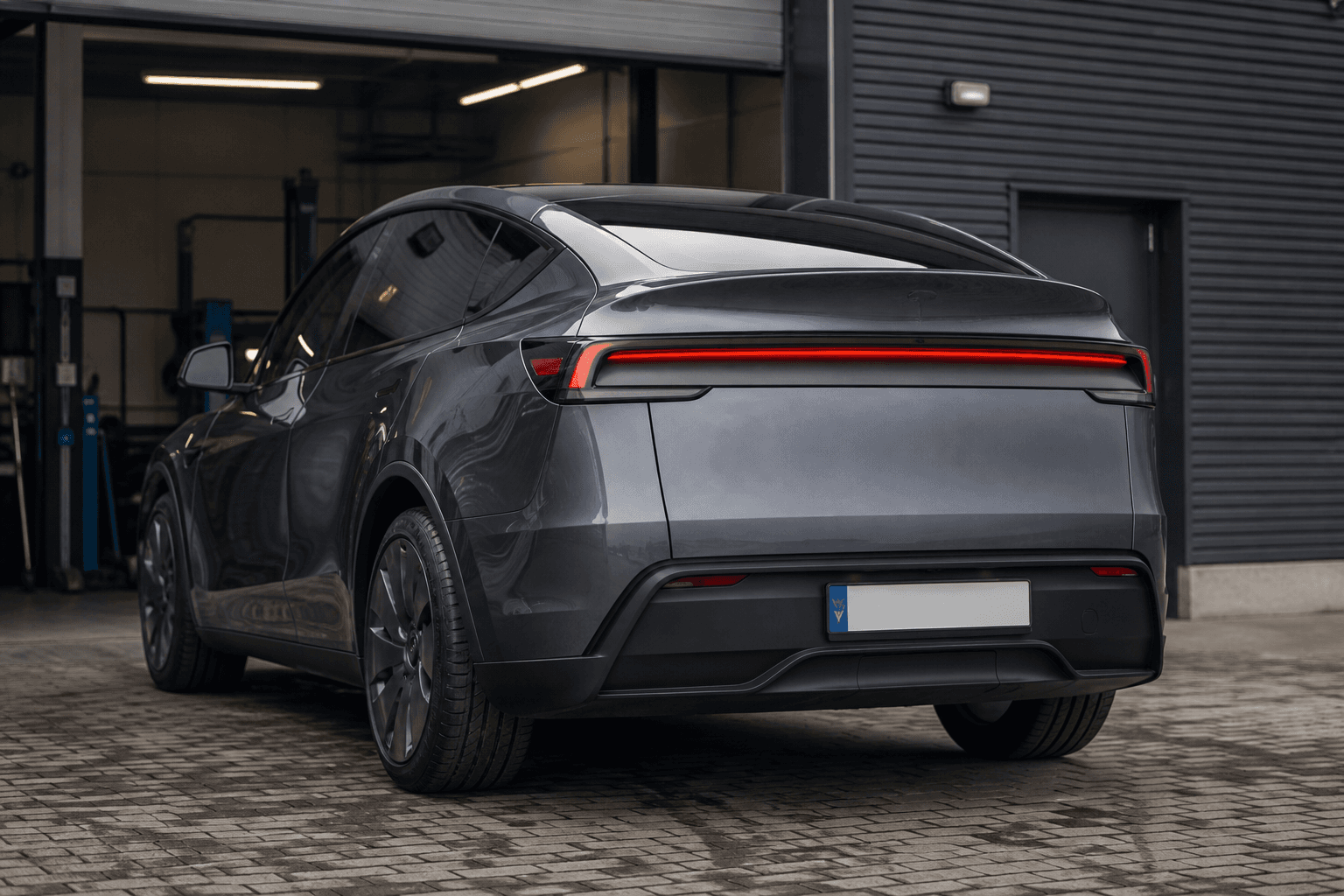
At the same time, Lotus is demonstrating in China how significantly product strategies are shifting: not necessarily toward “more options,” but toward clearly defined, expensive top trims with extensive standard equipment. This approach is now familiar from the EV lineups of many other brands, including Tesla, where equipment is often determined more by variants and software unlocks than by traditional option lists. A fitting example is the Tesla Model Y, which shows how effectively a simplified variant strategy can work in the mass market.
Why This May Also Interest Tesla Fans
Lotus and Tesla operate in different price brackets and target different customers, but they share two priorities: efficiency in their product architectures and a focus on software and platform-based thinking. Lotus is now adding the package typical of the Chinese market: large displays, powerful onboard computing, and a clear emphasis on performance.
It is also always worth examining the charging claims, as they show just how aggressive competition is becoming at the high end of the market. Readers currently exploring range and realistic expectations can also consult our guide to EV range anxiety.