Hyundai is reorganizing its electric SUV lineup
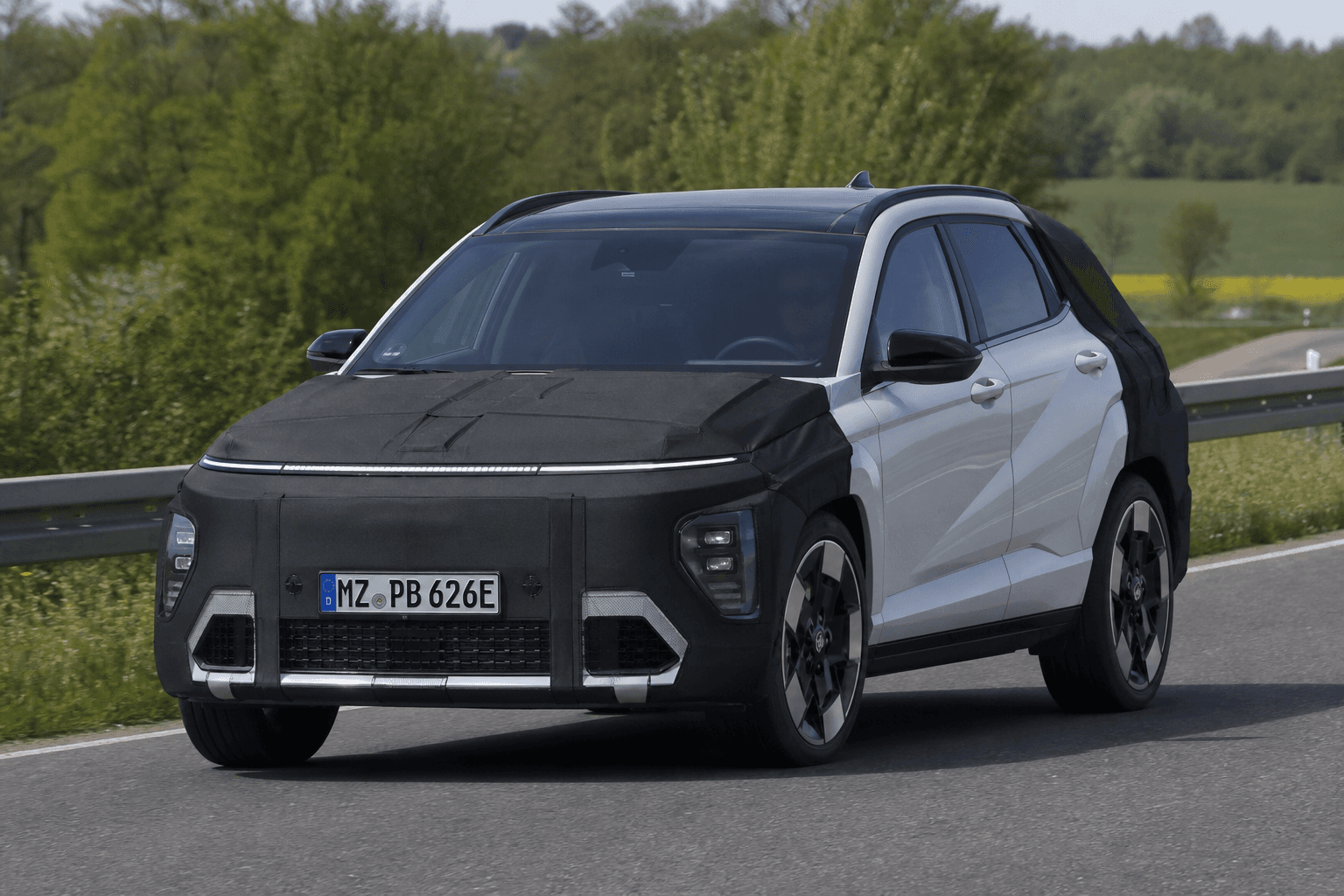
A major fresh start appears to be on the horizon for the Hyundai Kona. Camouflaged test vehicles and initial design clues point to a more angular crossover that is likely to stand apart clearly from the rounder current model.
However, it remains unclear whether Hyundai will once again offer a fully electric version. While combustion-engine and hybrid versions are considered likely, there are conflicting reports about the future of the Kona Electric and no definitive confirmation from the manufacturer so far.
The discontinuation of the Kona Electric has not yet been confirmed. However, Hyundai’s model planning suggests that a standalone Ioniq SUV could take over its role.
Ioniq 4 could fill the electric gap
Hyundai is increasingly developing Ioniq into a standalone family of electric cars. Between the compact Ioniq 3 and the larger Hyundai Ioniq 5, there would be room for another SUV, currently identified internally only as a new model in the B-SUV segment.
Based on the naming logic used so far, the designation Ioniq 4 would be an obvious choice, but it has not been confirmed. There is also no specific unveiling date or technical data yet, so the model should currently be regarded as a plausible addition rather than a vehicle that has been officially announced.
| Feature | Future Kona | Possible Ioniq 4 |
|---|---|---|
| Positioning | Compact crossover | Electric B-SUV |
| Powertrains | Combustion engine and hybrid expected | Fully electric powertrain likely |
| Electric version | Not yet confirmed | Core of the vehicle concept |
| Status | Spotted as a prototype | Inferred from model planning |
The new Kona will be more angular and more digital
The prototypes seen so far have a more linear body design with more pronounced surfaces. This is likely to bring the Kona’s appearance in line with Hyundai’s more recent models while also giving it a somewhat more rugged look.
Reports also link the vehicle to a new K3 platform, the Pleos OS infotainment system and the Gleo AI solution. A hybrid powertrain based on a 1.6-liter gasoline engine has also been mentioned, but the final powertrain lineup for Germany, Austria and Switzerland has not yet been determined.
Why separating the model lines would make sense
A standalone electric SUV could give Hyundai greater freedom in terms of wheelbase, interior space and battery integration. A multi-energy platform is not automatically inferior, but it more often requires compromises in the use of space and component packaging.
The split would also make the lineup clearer for customers: Kona for hybrid and conventional powertrains, Ioniq for purpose-built electric models. At the same time, this could allow Hyundai to respond more directly to vehicles such as the Kia EV3, which is already positioned as a compact electric SUV below the group’s larger models.
What this means for the current Kona Electric
The possible change in strategy does not suddenly make today’s Kona Electric unattractive. The model remains a comparatively compact and practical electric car, especially for drivers who find the Ioniq 5 too large.
The decisive factors will be the price, range and availability of a possible successor. Until Hyundai officially confirms the Ioniq 4 or a new electric Kona variant, the future division of roles remains unclear.