Charging networks are about more than numbers
Germany is continuously expanding its charging infrastructure. Nevertheless, EV drivers still encounter gaps, particularly in densely populated residential neighborhoods, at tourist destinations and away from busy transport corridors.
This apparent contradiction can be explained: charging points are not necessarily available where drivers actually need them. Overall figures also include private wallboxes and workplace connections that are not publicly accessible.
According to charging infrastructure consultant Stefan Pagenkopf-Martin, around 1.5 million charging points have been installed in Germany in total. This includes publicly accessible chargers, workplace solutions and subsidized private wallboxes. According to the same estimate, there are around 2.6 million EVs.
| Metric | Industry estimate | Significance |
|---|---|---|
| Installed charging points | around 1.5 million | Also includes private and workplace connections |
| EVs | around 2.6 million | Regional distribution is crucial |
| Utilization of many charging hubs | around 15% to 20% | High investment meets low usage |
| Operators running at a loss | estimated at around 95% | Capital requirements and cost pressures remain high |
Private wallboxes are no substitute for a public charging network
The total must therefore not be confused with comprehensive public charging coverage. A wallbox in a private garage helps neither apartment-building residents nor travelers passing through.
Workplace charging points are also often available only to employees, customers or specific vehicle fleets. For everyday use, the important factor is therefore not just how many connections have been installed, but whether they are accessible, available and operational.
A charging point in the wrong location improves the statistics, but not necessarily the everyday charging experience.
Low utilization puts pressure on operators
For charging point operators, also known as Charge Point Operators, utilization is the central economic lever. Fast-charging hubs in particular require high-capacity grid connections, expensive hardware, construction work and continuously available technical operations.
If a site is utilized at only 15% to 20%, these costs are spread across comparatively few kilowatt-hours of electricity delivered. This explains why many operators are not yet profitable despite the growing number of EVs.
Simply building ever more chargers will not solve this problem. New sites must be planned based on traffic flows, dwell times, available grid capacity and local charging demand.
Cities and vacation regions have particular gaps
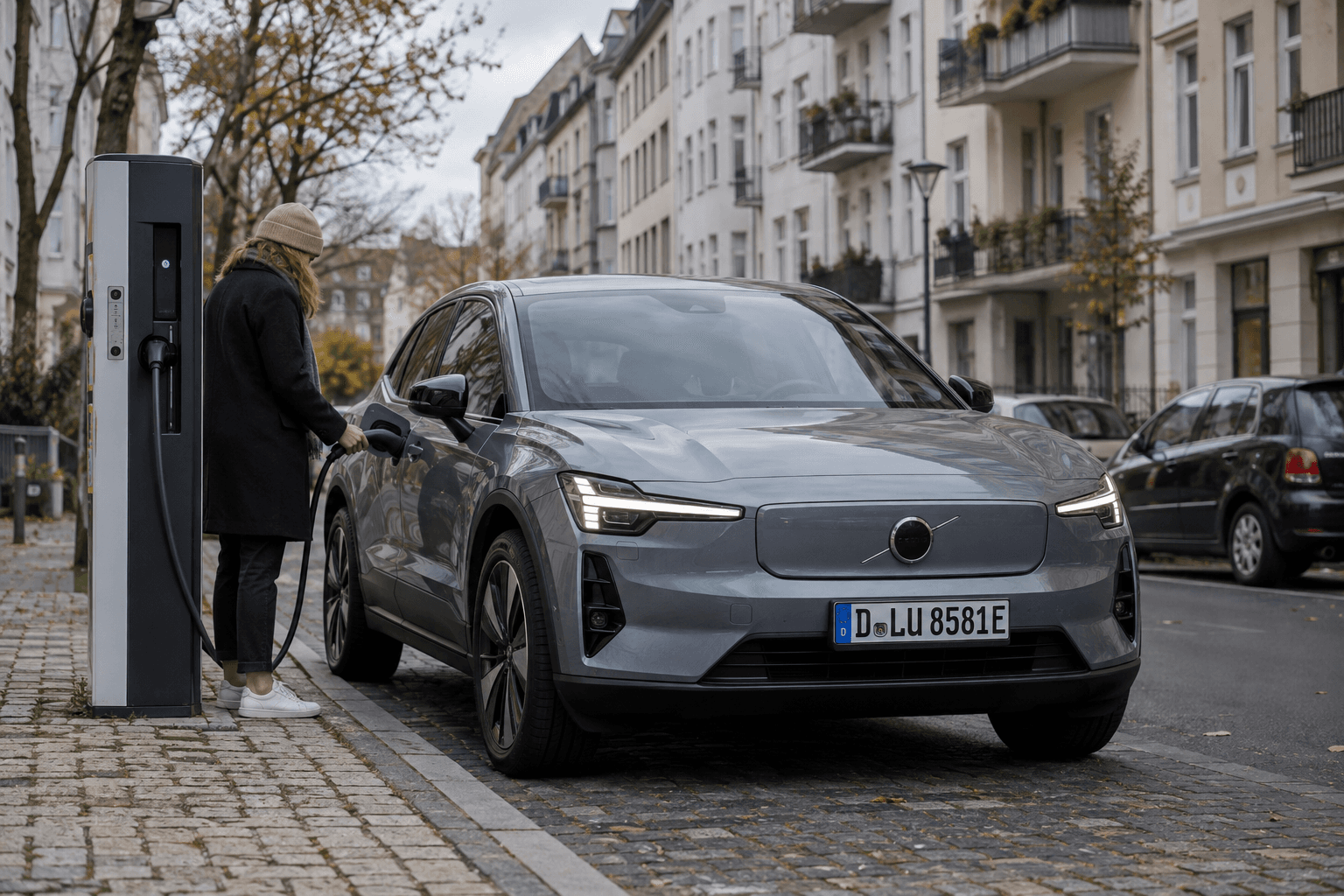
In densely developed urban neighborhoods, many households lack their own parking space. These areas need public charging points close to homes that can supply vehicles for several hours. Fast chargers on highways are only of limited use for this need.
Tourist regions present operators with a different challenge. Demand can rise sharply during vacation periods, while the same facilities may see little use outside the main season. Site planning must therefore reconcile peak loads with less profitable months.
Reliability is becoming more important than additional hardware
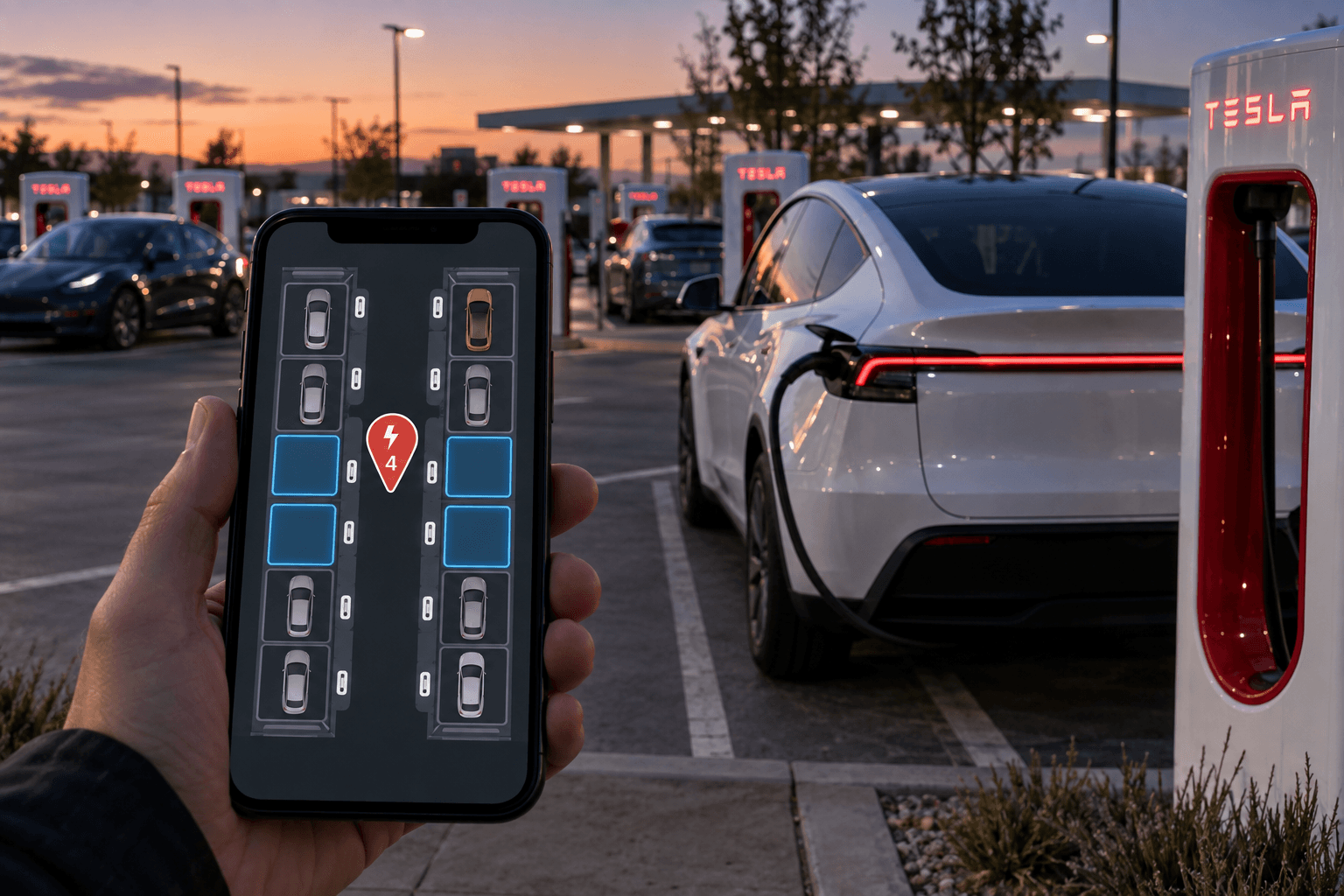
An existing charging point is of little use if it is defective or its status in the app is incorrect. Operators must therefore detect faults quickly, display them transparently and, where possible, fix them before drivers arrive at an unusable charger.
Predictive maintenance could help in the future. AI-based systems can evaluate operational data and identify typical patterns before a failure occurs. Unusual temperatures, fluctuating power output or communication errors could then trigger maintenance at an early stage.
The following points are particularly relevant to drivers:
- reliable information on availability and operational status
- transparent prices before charging begins
- simple activation without unnecessary registration
- easy access and safe parking spaces
Roaming makes existing charging points easier to use
Alongside location, access also determines how practical a charging network is. Cross-network roaming and combining different operators in a single app can make charging significantly easier. One example is the integration of around 220,000 charging points, through which Togg aims to simplify charging in Germany.
Although such platforms do not create new connections, they make existing infrastructure easier to find and use. At the same time, price transparency remains important because roaming rates can vary significantly between providers.
Germany needs more targeted expansion, not blind growth
Germany’s charging infrastructure is more advanced than general complaints about too few chargers might suggest. However, the combined total of private, workplace and public charging points conceals regional bottlenecks and access restrictions.
The next stage of development therefore involves more than just additional hardware. Better locations, greater reliability and sensible utilization are likely to determine whether the charging network becomes more convenient for drivers and financially viable for operators.