Electric Land Rover Defender: Next Generation Slips Toward the 2030s
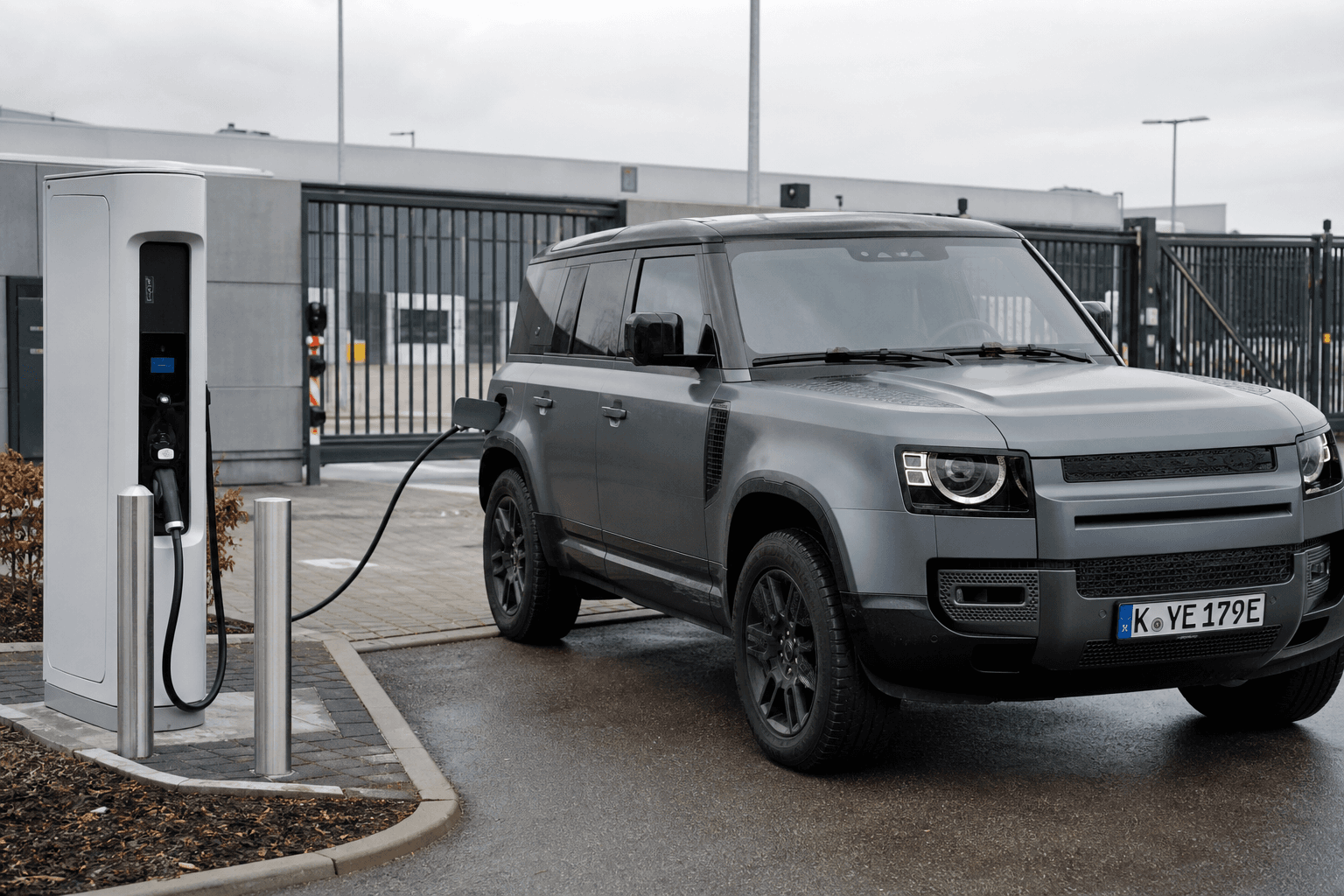
The Land Rover Defender is considered one of JLR’s flagship models, which is precisely why this news is significant: The next-generation Defender EV is set to arrive later than planned. According to a recent report, JLR is delaying the launch by around two years, meaning the major technology transition is now expected in the early 2030s.
For the DACH market—Germany, Austria and Switzerland—this sends a clear signal: Anyone hoping for an all-electric Defender as a direct alternative to today’s large electric SUVs will have to wait. At the same time, the delay is not an isolated case, as several other premium-segment EV projects have also been pushed back considerably in recent years.
Why JLR Is Slowing Down: The Market, Tariffs and Headwinds from China
According to the report, JLR attributes its more cautious timetable to a desire to see how demand for electric vehicles develops. The US is cited as particularly important. It has traditionally been a key market for large SUVs, but EV momentum currently varies by region and price point.
There is also intense competition in China, where domestic manufacturers are gaining market share. Import tariffs are another major factor in the US because they have a direct impact on the economics of imported vehicles. In short, JLR is trying to reduce risk across its product program and make its planning more resilient.
Technology Focus: Dedicated EMA BEV Platform and 800 Volts as a Potential Foundation
For technology enthusiasts, the platform decision is more interesting than the delay itself: The electric Defender is expected to use JLR’s EV-native EMA (Electrified Modular Architecture). A hybrid variant is also expected in this context.
The EMA platform is also associated with the benefits of a true battery-electric architecture: more efficient packaging with additional room for the battery and cabin, faster iterations of software and features, and an 800-volt architecture. In everyday use, the latter is particularly beneficial for fast charging because high charging rates can be sustained more easily over longer periods, provided the battery and thermal management systems can support them. Readers interested in the practical differences can find an overview in our comparison of 800V versus 400V EV architectures.
Possible US-Specific Approach: Two Defender Variants and a Partnership with Stellantis
According to the report, US tariff issues could lead to the next Defender being offered in two versions: one for Europe and another for the US, developed jointly with Stellantis. That would be an unusual move, but it would make strategic sense if JLR wants to reduce import costs and streamline compliance with regulatory requirements.
It remains unclear which technology Stellantis might contribute. The possibilities being discussed range from a conventional off-road-oriented body-on-frame platform to a modern BEV architecture from Stellantis’ platform portfolio. Importantly, these are currently scenarios, not confirmed specifications.
What It Means for Europe: Waiting for the Electric Off-Roader, but the Direction Remains Electric
JLR’s postponement does not mean electrification is off the table. On the contrary, the group has announced several new electric models, including electric Range Rover variants and additional BEV projects. As an iconic model, however, the Defender is particularly challenging because range, towing, thermal performance and genuine off-road capability must all work together effectively in an electric setup.
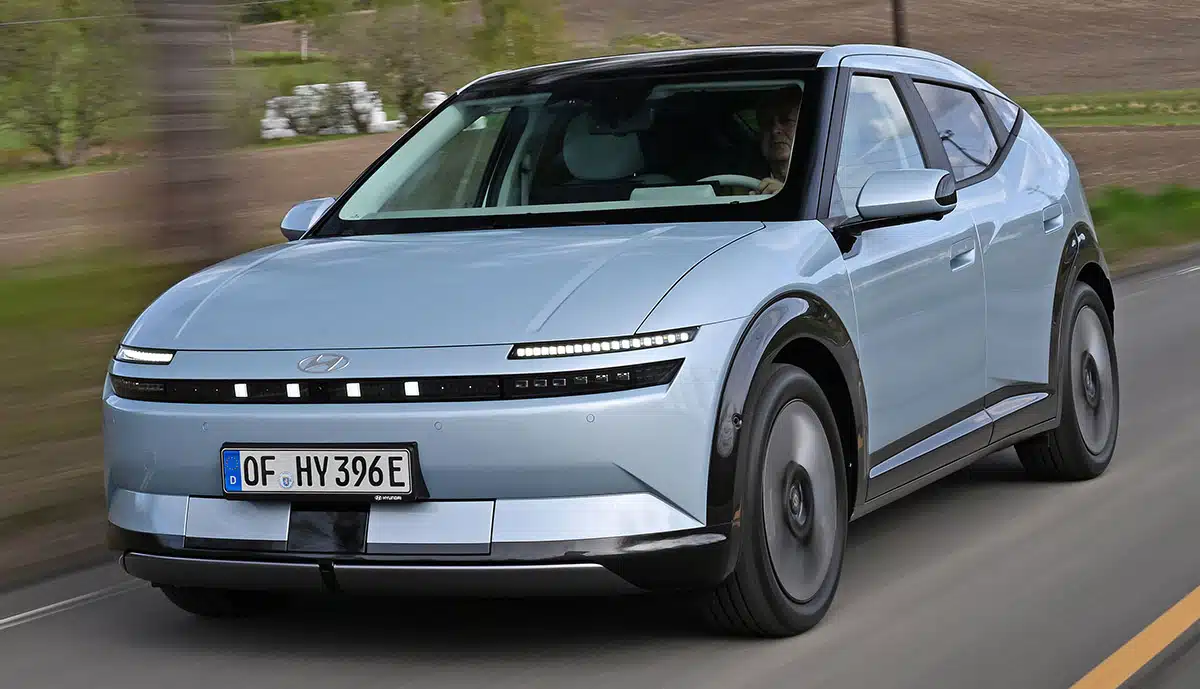
For buyers in Germany, Austria and Switzerland, this means that anyone looking for electric off-road styling today will often end up with a large, powerful all-wheel-drive electric SUV, but without the Defender’s uncompromising focus. Meanwhile, the competition is developing rapidly, particularly in new platforms and fast-charging technology, as illustrated by the outlook for the Neue Klasse BMW iX1 with 800-volt technology.
What This Says About the EV World as a Whole
The Defender delay shows how strongly external factors now influence product cycles, including tariffs, geopolitical risks, supply chains and changes in the pace of individual markets. At the same time, the direction of technological development is clear: dedicated BEV platforms, higher-voltage electrical systems and vehicle concepts increasingly driven by software.
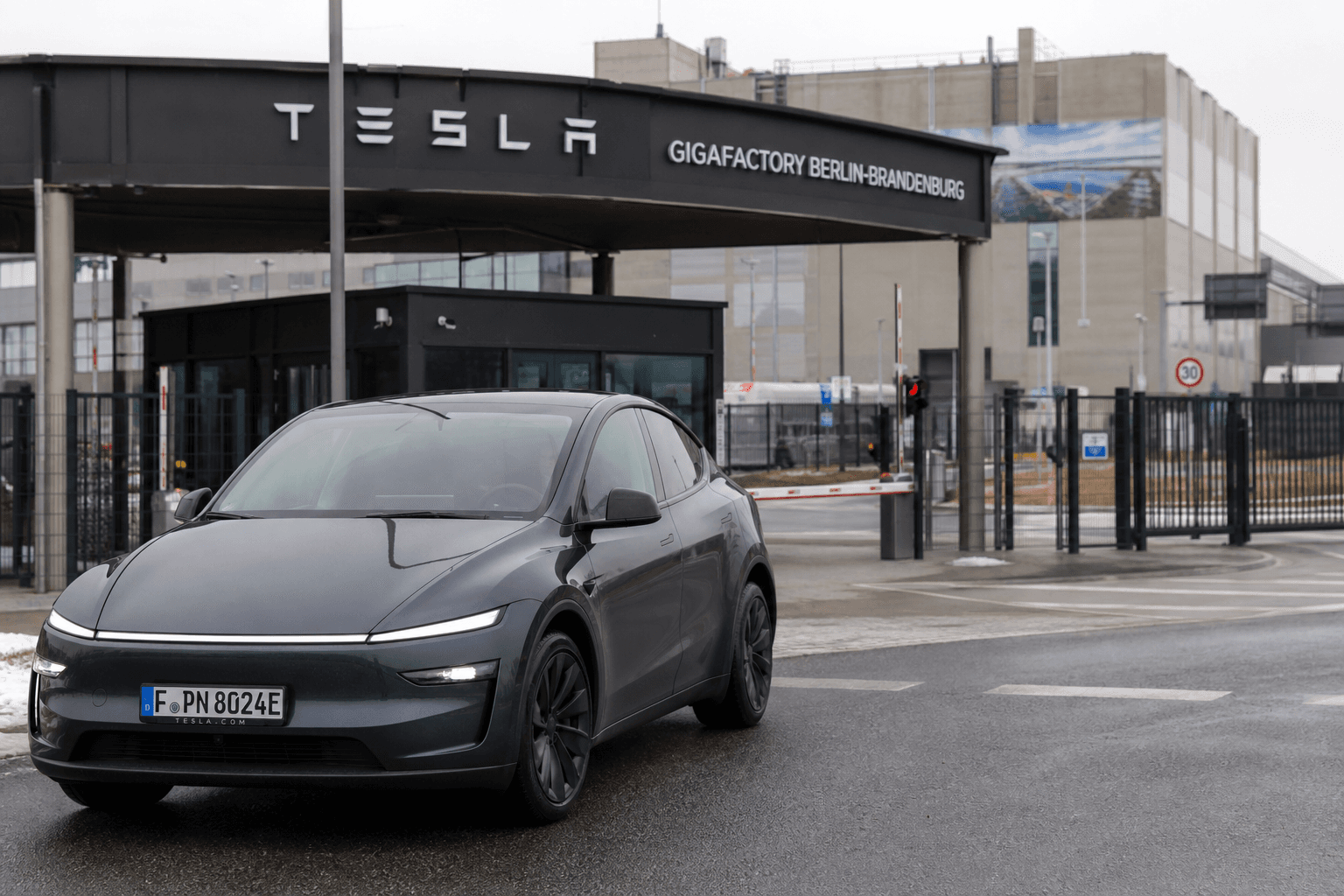
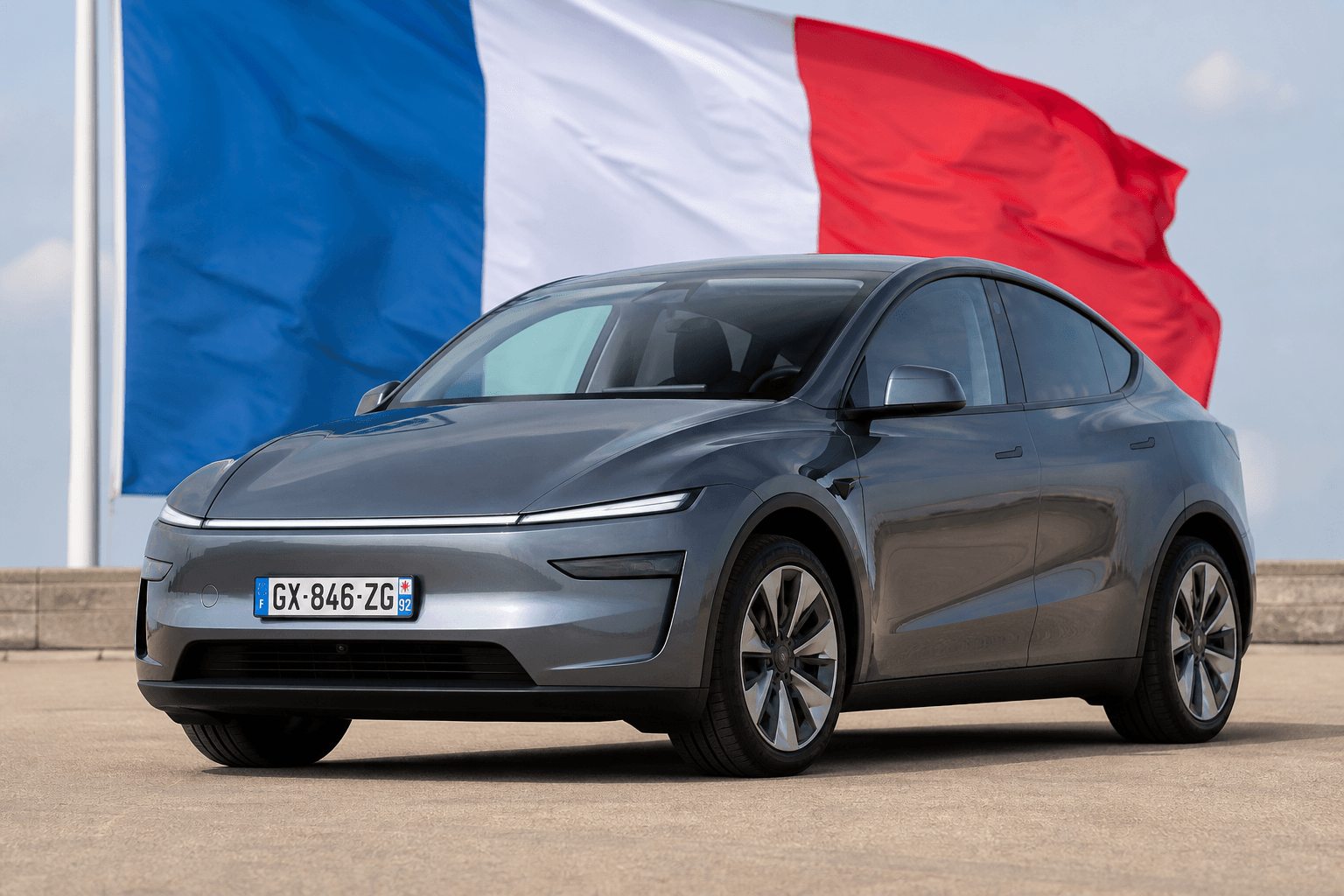
This is interesting in comparison with Tesla, which has consistently applied these principles for years and treats updates, efficiency and platform integration as core strengths. Anyone looking for a large electric SUV that serves as a current market benchmark will therefore find it difficult to overlook the Tesla Model Y, even though a true electric Defender would eventually occupy a very different niche.