Dongfeng Brings Xiaodong into Production
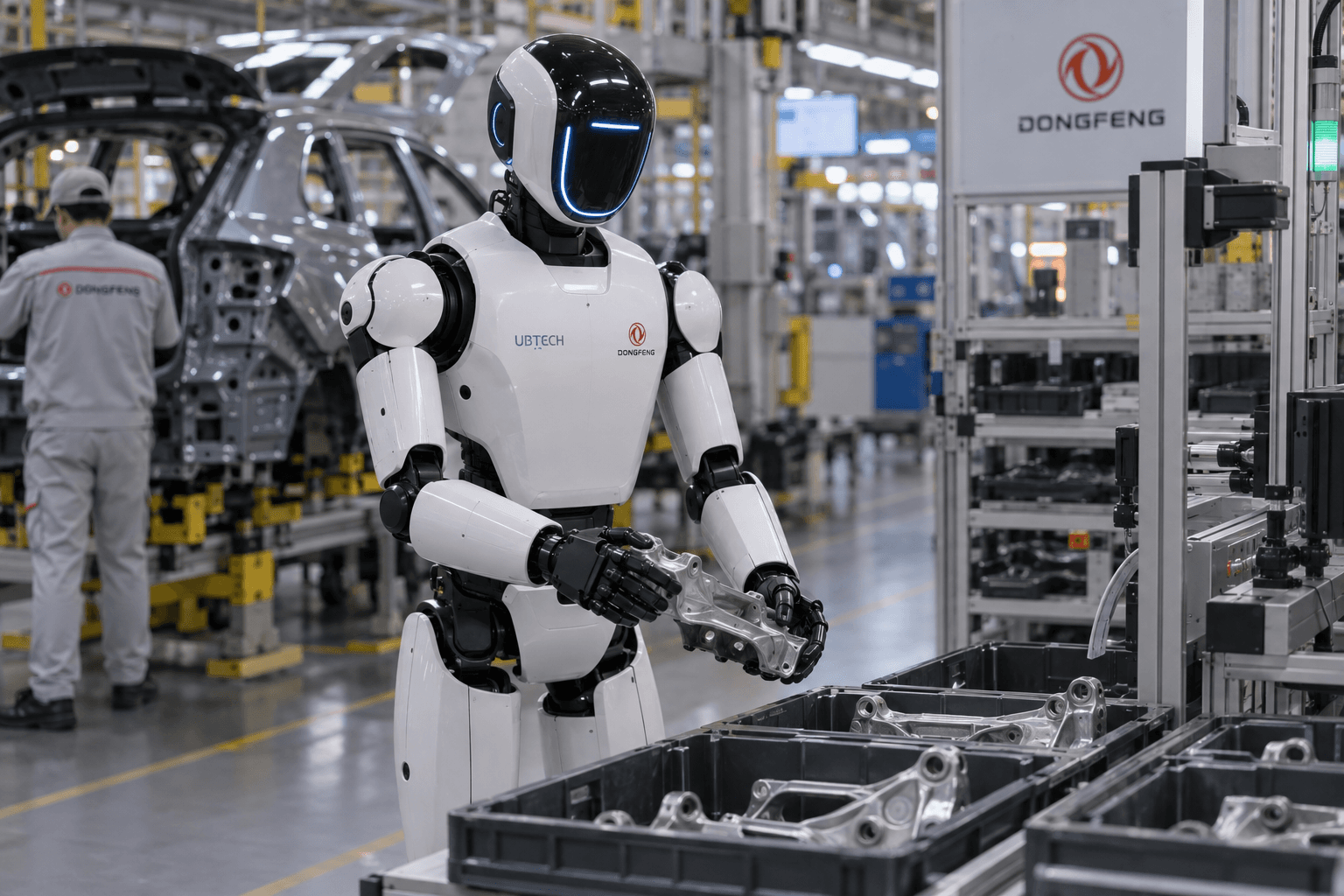
Dongfeng plans to move humanoid robots out of the development environment and into real-world factory operations. The Xiaodong model is set to be deployed at plants from October 2026, initially sorting materials and carrying out quality inspections.
Small-batch trial production is planned for the end of the year. By the end of 2027, Dongfeng aims to bring the robot’s performance in selected activities to a level comparable to that of human employees.
This does not mean a universal robot with human intelligence, but rather a highly reliable system for clearly defined tasks in vehicle production.
Two Robots for Different Tasks
Alongside Xiaodong, Dongfeng is developing the quadruped robot Yuanzai. Both systems were unveiled publicly in August 2026, but they have distinctly different intended applications.
| Robot | Design | Planned Use | Next Step |
|---|---|---|---|
| Xiaodong | Humanoid | Material sorting and quality inspection | Factory deployment from October 2026, trial production at the end of the year |
| Yuanzai | Quadruped | Customer guidance, patrols, and intelligent services | Earlier commercial launch planned |
Xiaodong is intended to progress gradually from individual, repetitive movements to more flexible processes. To achieve this, the robot must recognize its surroundings, grasp objects safely, and operate reliably even when parts or their positions change.
According to Dongfeng, Yuanzai already supports autonomous navigation, multimodal perception, and interaction. Relatively controlled environments such as car dealerships are being considered for its first commercial deployments, where the robot could guide visitors or provide information.
Why Automakers Are Well Positioned
Dongfeng refers to this as embodied intelligence. It combines AI with cameras, other sensors, and moving components, enabling a system to perceive and act within its physical environment.
Automakers can draw on their existing expertise in supply chains, electric motors, control units, sensor fusion, and AI models. Some technologies from automated driving can also be transferred. One example of this development is Xpeng VLA 2.0, which is designed to handle complex traffic situations using perception and AI-based planning.
In the long term, Dongfeng even views the car itself as an embodied AI system. Perception, decision-making logic, and actuators already work closely together in a vehicle, although a humanoid robot faces a different set of challenges involving balance, grasping, and safe collaboration in the factory.
Chinese Automakers Accelerate the Robotics Race
Dongfeng is not alone in pursuing these plans. In September 2026, Xpeng commissioned a production line for its Iron humanoid robot and is aiming to begin mass production by the end of the year. Deliveries in China and other markets are expected to follow in 2027.
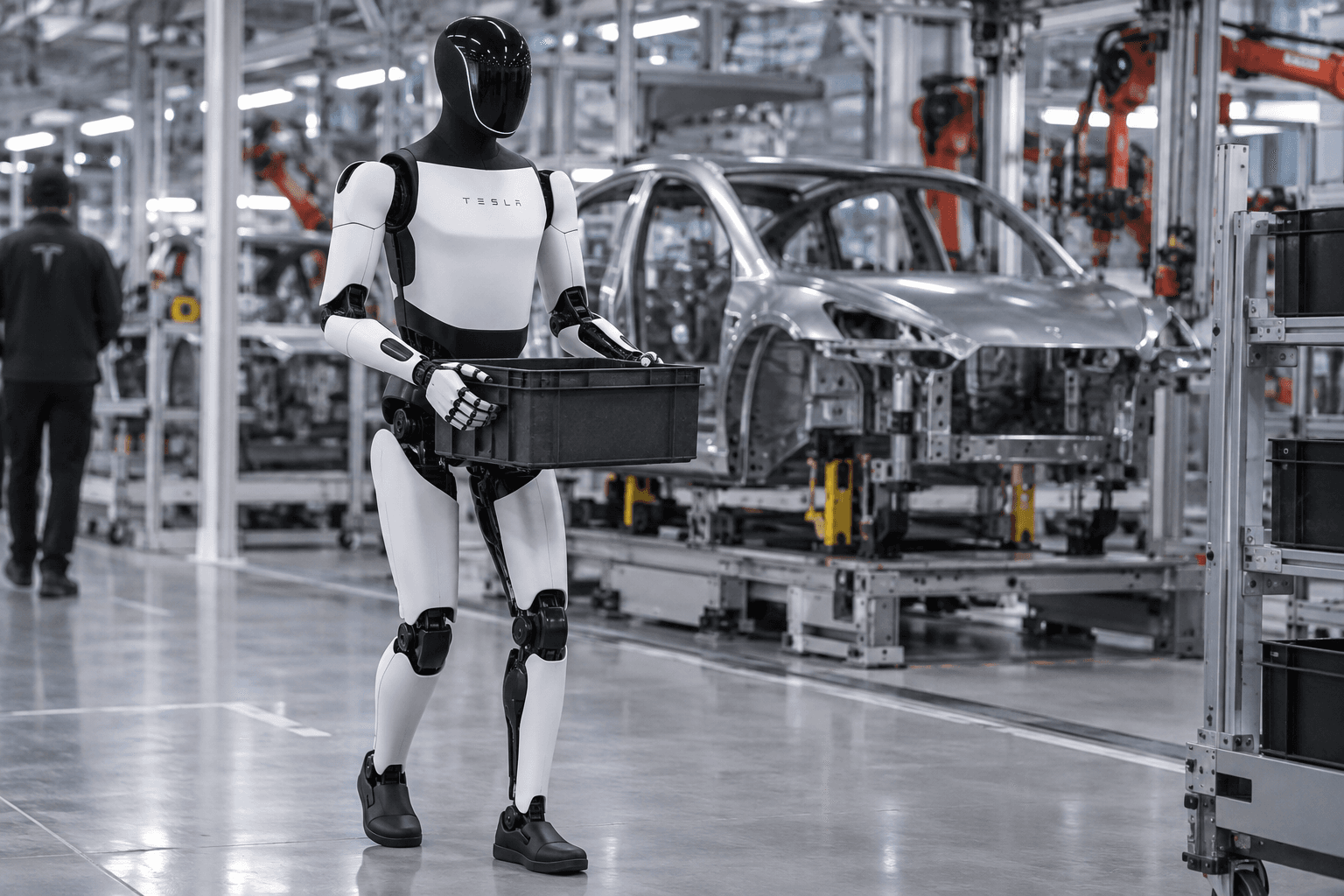
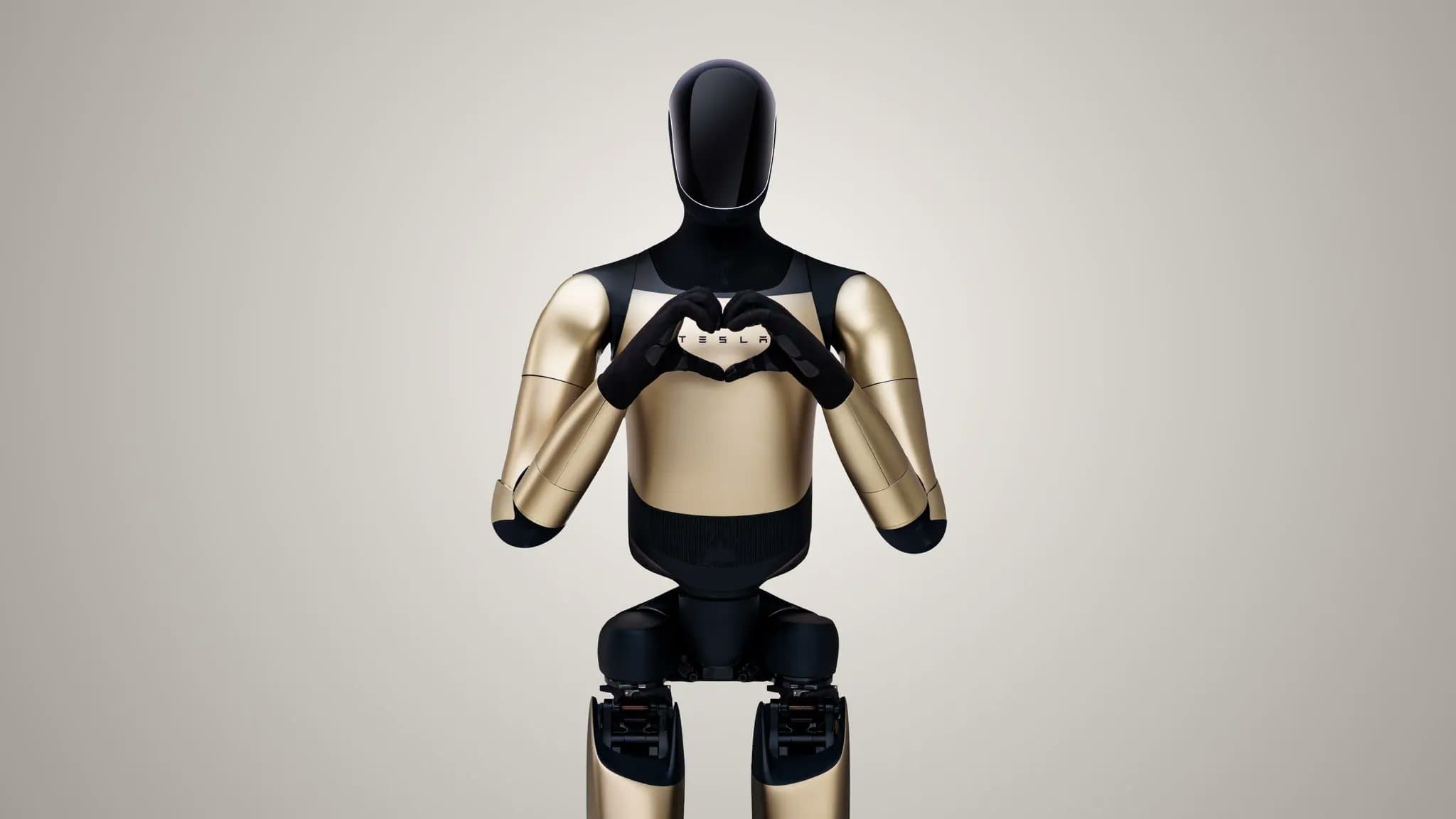
Chery is also active through its robotics company Aimoga, while Li Auto, Seres, and Leapmotor have announced their own embodied AI projects. Internationally, Tesla is pursuing a similar strategy with Optimus, closely linking robotics to its advances in AI and computer vision. Our article on Tesla Optimus, FSD, and the AI roadmap provides an overview of the latest statements.
Factory Deployment Will Be the Crucial Real-World Test
Trial production is not the same as mass production. In a car factory, the key factors are availability, workplace safety, speed, and integration into existing production lines.
If Dongfeng succeeds in moving from rigid individual movements to flexible processes, humanoid robots could become useful in areas where conventional industrial robots reach their limits because tasks change frequently. The October launch is therefore likely to be less of a demonstration and more of a stress test under real production conditions.