One Million Chinese Cars from Europe: What Is Behind the Forecast
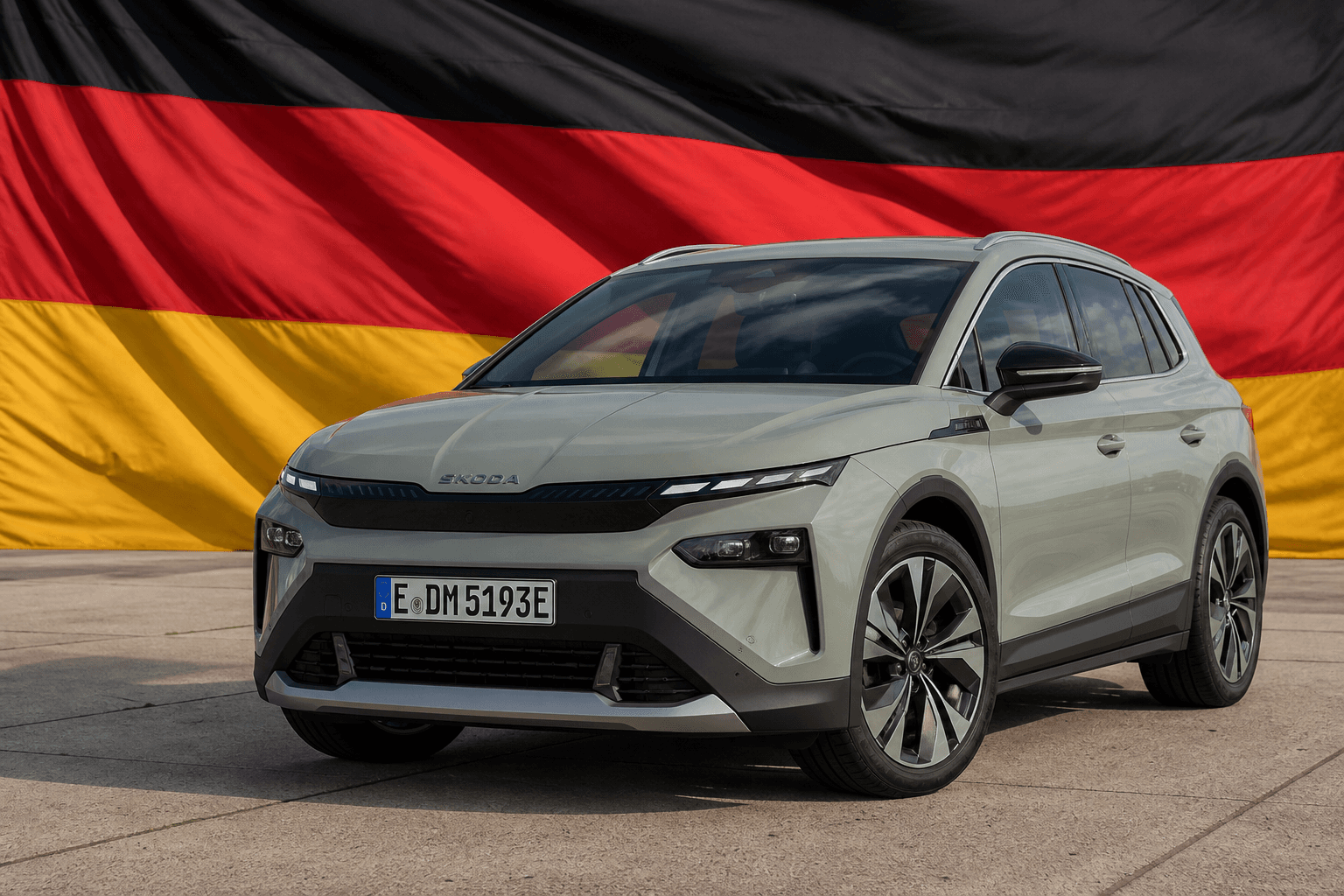
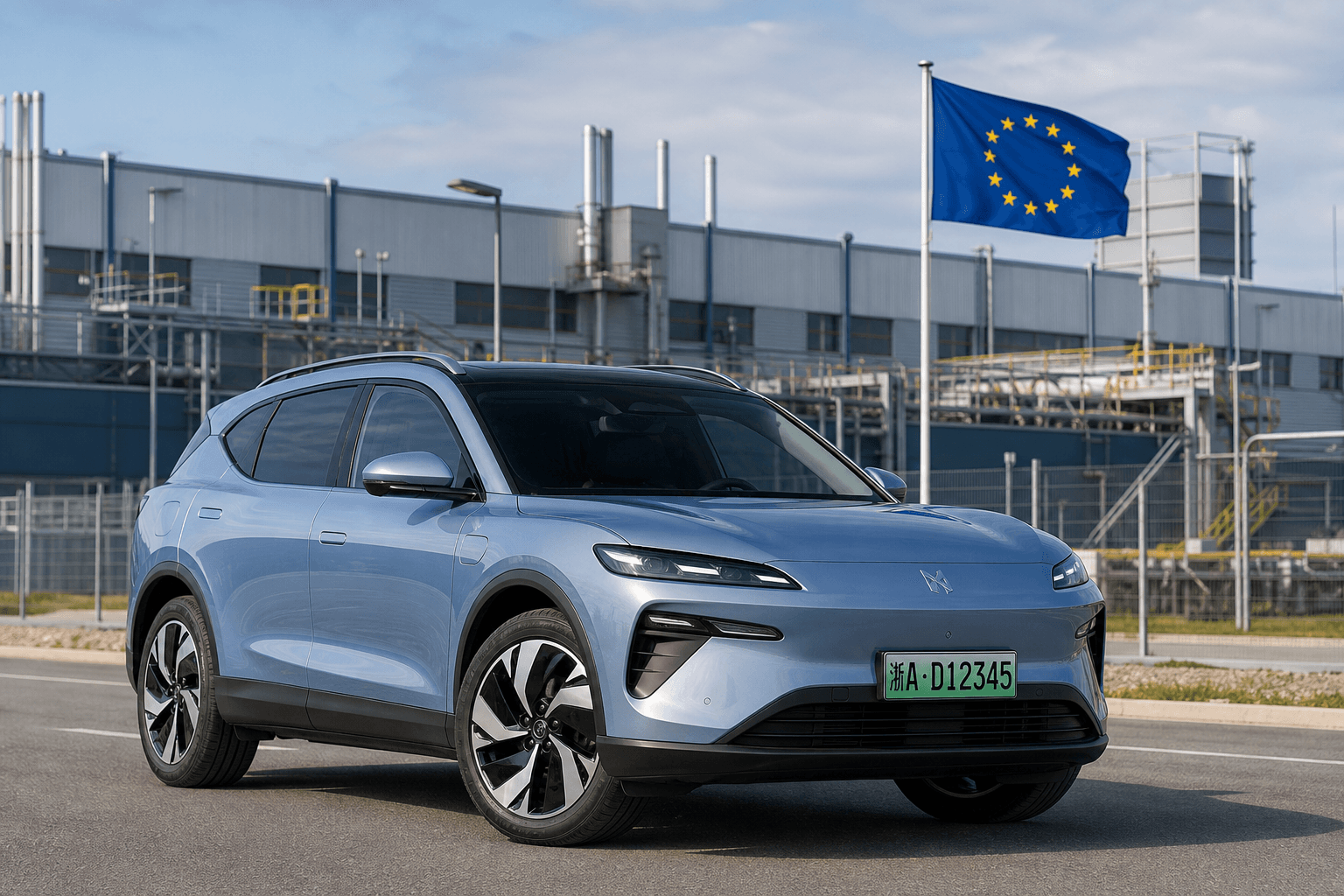
Chinese automakers no longer want merely to sell vehicles in Europe; they increasingly intend to produce them locally as well. Analysts at a mobility research firm expect Chinese brands’ production volume in Europe to rise to around one million vehicles by 2030. For comparison, only about 90,000 Chinese-brand cars are expected to be built in Europe in 2026.
Rather than any single plant, the underlying factor is a broader trend: Europe is becoming strategically more important as a manufacturing base because regulations, tariffs and subsidy policies make local production more attractive. For buyers in the DACH region—Germany, Austria and Switzerland—this is particularly relevant because it could change supply chains, prices, model availability and, in the medium term, service networks.
EU Rules as an Accelerator, with the Industrial Accelerator Act in Focus
Brussels is currently working on a framework intended to strengthen industrial value creation within the EU. Industry observers expect the final result to include quotas and requirements that effectively favor local manufacturing and supply chains, for example through rules governing the origin of components or foreign direct investment.
For Chinese manufacturers, this means that any company wishing to remain a major player in Europe over the long term will probably need to establish a stronger European presence—not only for the finished product, but also for parts of the supply chain. Batteries will be particularly important because they represent the largest cost item in an electric car and account for a substantial share of its value creation.
Spain as a Magnet, Followed by Hungary, the United Kingdom and Austria
According to the analyses, Spain is the clear favorite for new or repurposed production capacity. It is followed by Hungary, the United Kingdom and Austria. The location advantages are easy to understand: available industrial sites, ports, supplier networks and political interest in jobs and investment.
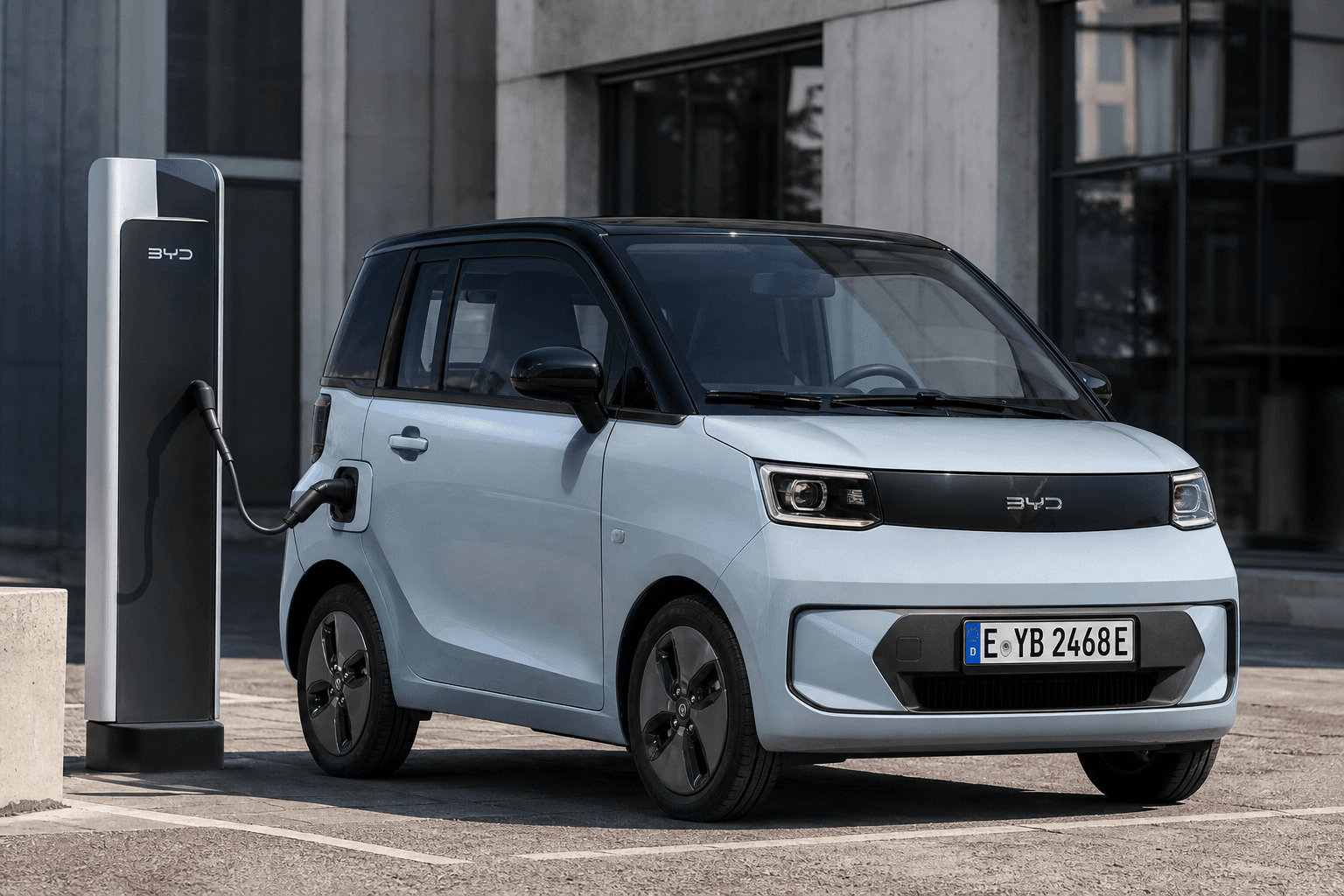
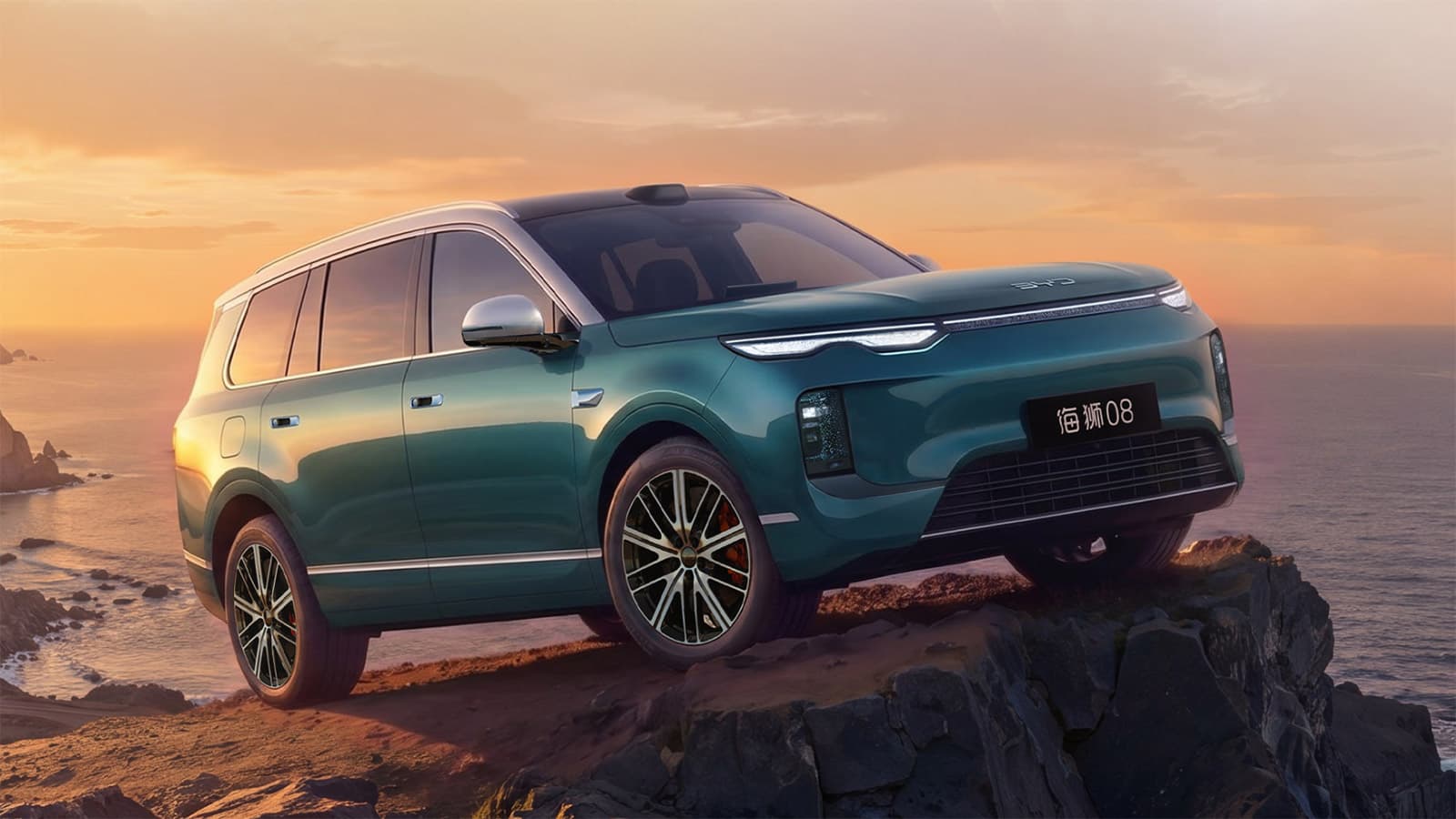
There are several examples of this European manufacturing push. Chery plans to begin production at a former plant in Spain, MG is building a factory in Galicia, and Geely is relying on a partnership to launch production in Spain from 2027. BYD, meanwhile, is pursuing a two-track approach in Europe, initially beginning production in Hungary while discussing additional options.
Why Spain Is Mentioned So Often
- Good logistics links to Europe and overseas markets via its ports
- Industrial expertise and some existing spare capacity
- Political support for new industrial jobs
What Does “Made in Europe” Really Mean for Electric Cars?
The label sounds simple, but in practice it is complicated. If future EU requirements place greater emphasis on local value creation, a basic assembly plant will no longer be enough. This quickly raises questions such as: Where do the battery cells come from, where is the battery pack built, and where are the power electronics, electric motors or software integration work produced?
Manufacturers with a high degree of vertical integration in particular will have to calculate whether genuine relocation is worthwhile. For electric cars, the final assembly line is not the only deciding factor; the extent to which core components are localized matters as well.
Assembly Plant or Genuine Manufacturing: This Is Where the Risk Lies
Critics warn that companies could establish assembly-only operations in the EU while continuing to source most components from China. Although this would statistically shift production to Europe, it could have a much smaller impact on jobs and knowledge transfer.
However, analysts forecast that by 2030, full-scale manufacturing will outweigh partial assembly, with this trend becoming even stronger by 2035. The key factors will be how strict the final value-creation rules are and how consistently they are incorporated into subsidy and procurement policies.
Impact on the Market in Germany, Austria and Switzerland
If Chinese brands do begin manufacturing large volumes in Europe, this could noticeably change the competitive landscape. More local production could enable shorter delivery times and potentially more stable prices, while increasing pressure on European manufacturers to improve costs and innovation cycles.
For the electric-car segment, this is also a battery issue: companies that expand cell production and pack assembly in Europe can reduce dependencies and navigate regulatory barriers more effectively. The shift toward LFP batteries in China illustrates how dramatically technology and cost curves can change once production reaches scale. On that subject: China’s Battery Market: LFP Dominates and Squeezes NMC.
Why This Also Indirectly Affects Tesla
Tesla already has local manufacturing in Europe, giving it a structural advantage over import-only strategies. As more manufacturers follow suit, “building in Europe” will become less of a differentiating feature and more of the new normal, shifting competition toward products, software, efficiency and price.
The extent of the existing price pressure is also evident in the discounts and financing promotions available in the market. One Tesla example: Tesla Model Y with 0% Financing and a Double Discount. Other brands are also using incentives, including MG: MG Offers a €6,000 EV Bonus Through the End of September 2026.
In Brief: Europe Is Becoming a Manufacturing Base, Not Just a Sales Market
The forecast that Chinese brands will produce around one million vehicles in Europe by 2030 sends a clear signal: their European strategies are becoming more mature, more local and more focused on the long term. Whether this primarily creates assembly capacity or genuine local value will depend heavily on the final EU rules and on how much battery and component production actually moves to Europe.
For customers in Germany, Austria and Switzerland, this means more competition, a wider selection of models and, over time, a production mix with a stronger European footprint—even if the brand logos remain Chinese.