CATL launches Tectrans II for electric commercial vehicles
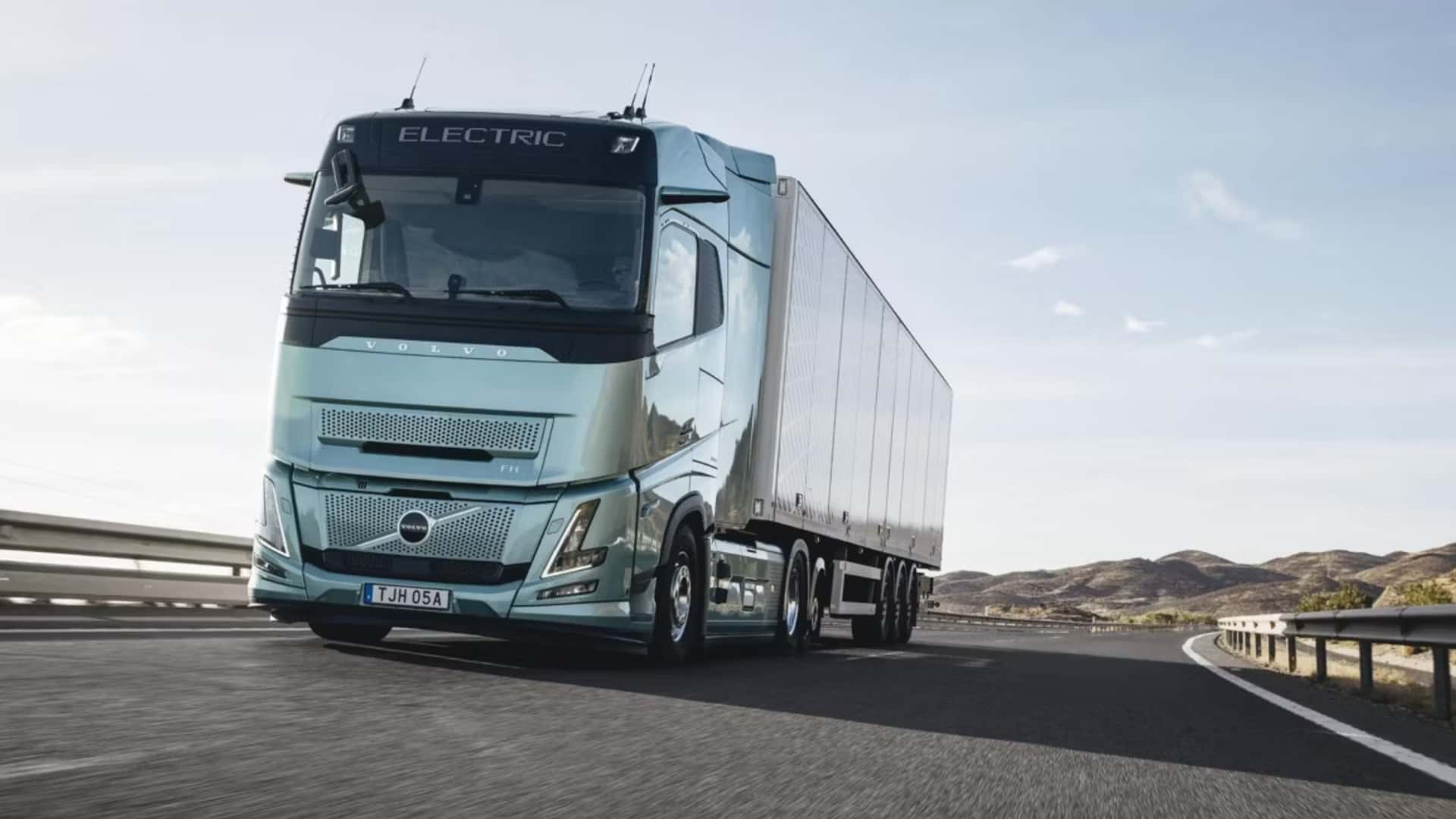
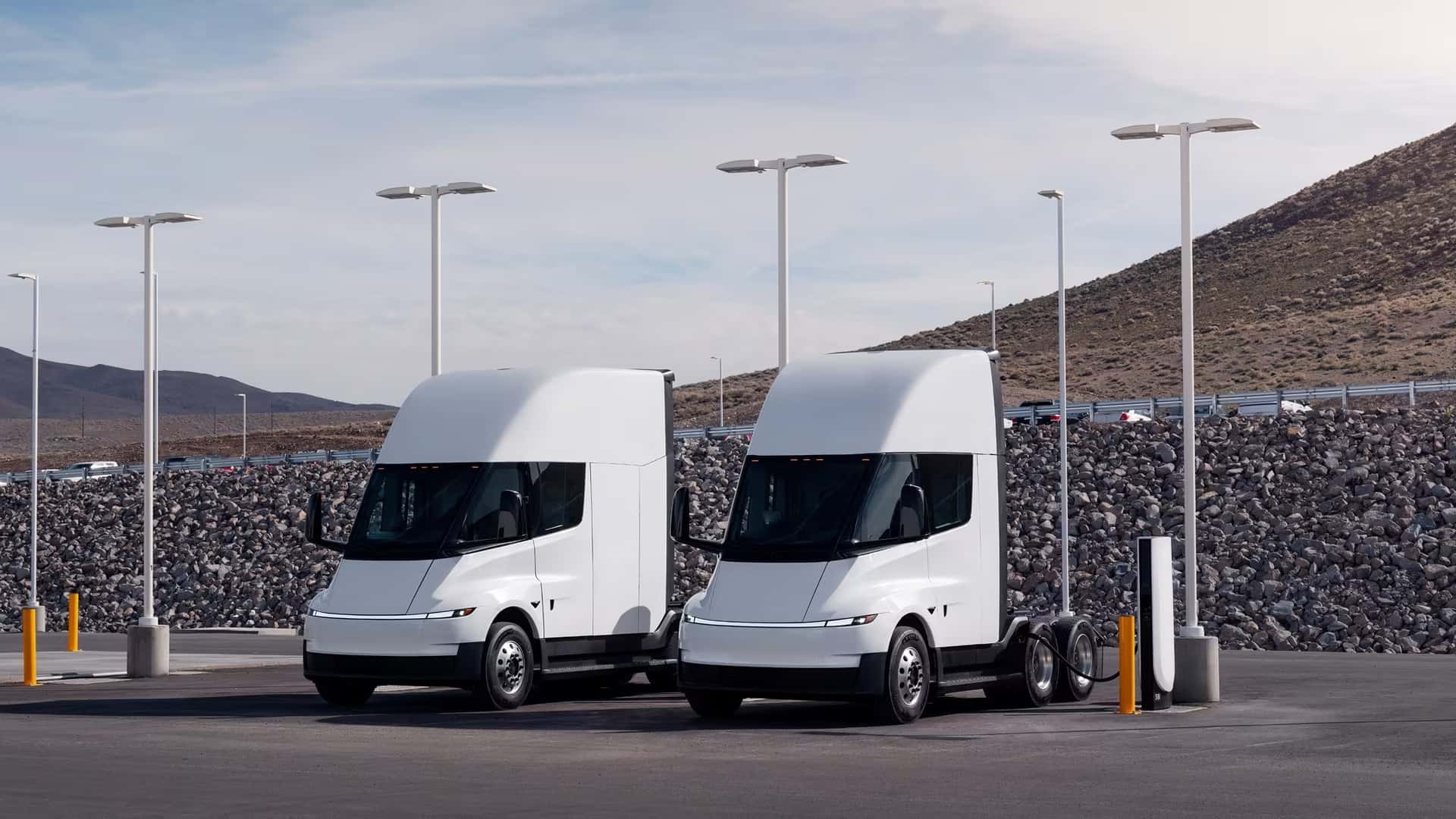
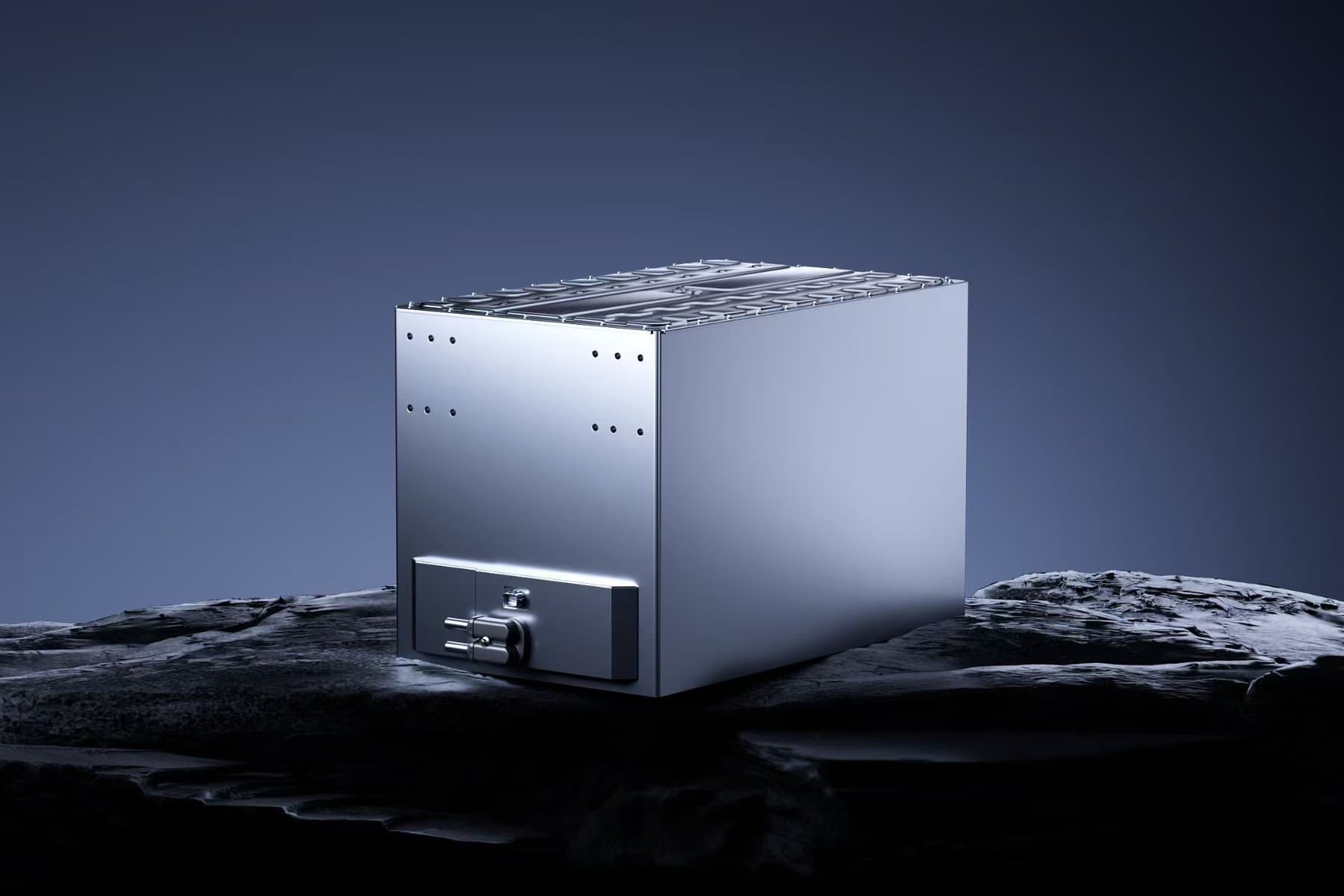
CATL unveiled the second generation of its Tectrans battery at IAA Transportation, a commercial vehicle trade show in Hanover. The system is aimed at heavy- and medium-duty electric trucks as well as electric buses, with a clear focus on electric long-haul transport.
In its largest configuration, CATL is targeting a range of up to 1,000 km. However, the manufacturer has not yet specified a test cycle. For now, the figure should therefore be regarded as a technical target under optimal conditions rather than a confirmed real-world range.
Key specifications of the CATL Tectrans II
| Metric | Manufacturer’s figure |
|---|---|
| Maximum range | up to 1,000 km; test cycle not specified |
| Fast charging | 80% in 25 minutes |
| Charging technology | Megawatt fast charging |
| Gravimetric energy density | 170 Wh/kg |
| Design life | 12 years or 1.5 million km |
| Remaining capacity | 70% at the end of the specified service life |
| Potential payload gain | around 600 kg with the same capacity |
According to CATL, the energy density of 170 Wh/kg is around 13% above the industry average. A lighter battery is particularly relevant for commercial vehicles because every kilogram saved can be used to carry additional freight.
For electric trucks, higher energy density means not only additional range but, above all, more usable payload and therefore lower operating costs.
Megawatt charging aims to avoid long periods of downtime
CATL says the battery can be charged to 80% within 25 minutes using megawatt-level charging power. The initial state of charge, usable battery capacity and charging curve have not yet been published. These details will be crucial for making a meaningful comparison with other systems.
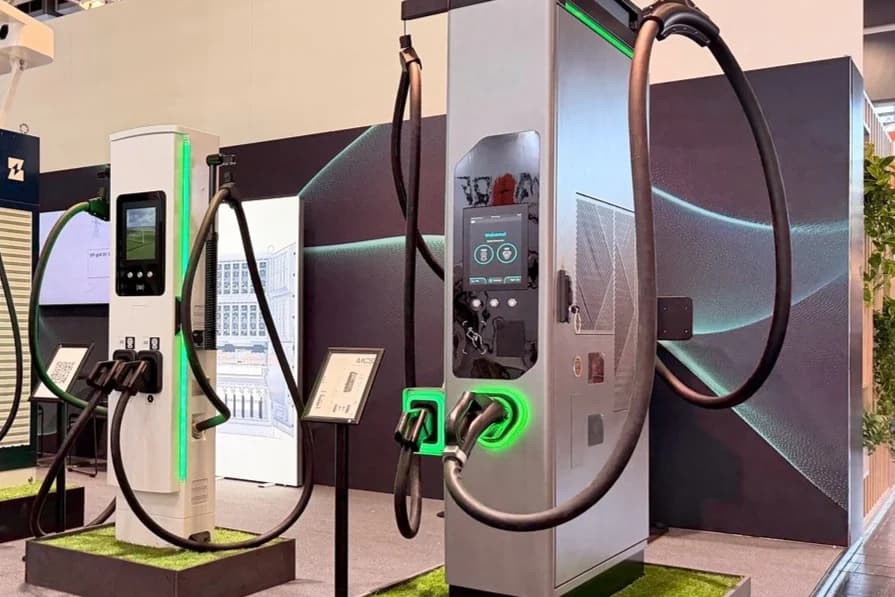
In long-haul transport, such a charging session could fit well into mandatory rest periods. In practice, however, this will work only if high-power charging hubs with suitable grid connections are available along major corridors. Current fast-charging networks already demonstrate the technical challenges involved in charging at more than 1,000 kW.
The range of up to 1,000 km is also likely to require a very large battery pack. Smaller and more affordable configurations could make more sense for many regional transport operations, while long-haul fleets would benefit more from maximum capacity and short charging stops.
Modular design makes deployment easier
Tectrans II is expected to be offered in several housing formats and can be installed either under the floor or on the vehicle roof. The battery system can be combined with a central drive unit or electric axles. A swappable battery-pack configuration is also planned in principle.
To achieve this, CATL is standardizing battery modules, electrical connections and communication protocols. This could allow future cell generations to be integrated into existing vehicle platforms without requiring manufacturers to extensively redesign their trucks. This upgrade capability is an important advantage, particularly for commercial vehicles with long model cycles.
CATL has not yet provided any details about the cell chemistry used. The manufacturer produces both LFP and NMC cells, so several variants are conceivable. LFP in particular is rapidly gaining importance, as developments in the Chinese battery market demonstrate.
Robust construction for 1.5 million km
According to CATL, the battery pack is designed for 12 years and 1.5 million km. After covering that distance, 70% of the original capacity is expected to remain available. A reinforced baseplate and a new corrosion-protection system are intended to withstand the stresses of prolonged use, poor roads and changing weather conditions.
For logistics companies, durability is at least as important as maximum range. A battery that lasts for a large portion of the vehicle’s service life reduces the risk of costly replacement investments. Warranty terms, permitted charging profiles and independent long-term data will ultimately be decisive.
CATL and DHL plan European freight corridors
Alongside the unveiling, CATL and DHL Group signed a memorandum of understanding for greener freight corridors in Europe. The plans include energy storage and energy management systems for logistics sites, as well as pilot projects involving electric commercial vehicles.
Ultra-fast charging facilities and battery-swapping systems are also on the agenda. This means the partnership is considering not just the truck but the entire energy supply of a logistics hub. This integration of vehicles, charging infrastructure and load management will determine how quickly electric trucks can scale in European long-haul transport.
A strong package with questions still unanswered
The Tectrans II specifications are ambitious: long range, a 25-minute charging time and up to 600 kg of additional payload address key requirements for fleet operators. At the same time, details about battery capacity, charging window, test cycle, cell chemistry and the start of series production have yet to be disclosed.
Nevertheless, CATL is showing where electric commercial vehicles are heading. Range alone is no longer enough; battery weight, charging speed, service life and platform compatibility must all work together. If CATL can deliver the system at a competitive cost, Tectrans II could become an important foundation for electric trucks operating on European long-distance routes.