BYD in H1 2026: Revenue Down, Profit Well Below Previous Year
BYD has reported declining figures for the first half of 2026. Revenue fell by 7.13% to 344.82 billion yuan, while net profit attributable to shareholders dropped by 20.54% to 12.33 billion yuan. The bottom line reveals a familiar tension: International business is performing well, while conditions in BYD’s home market of China have recently been considerably tougher.
What Is Weighing on BYD, and What Is Still Improving?
BYD cites weakness in its NEV business (New Energy Vehicles, meaning battery-electric and plug-in hybrid vehicles) as the main reason for the decline in revenue. In addition, currency losses caused by exchange-rate fluctuations had a negative impact on profit. This is hardly unusual for manufacturers expanding globally: The more regions they operate in, the greater their currency exposure across procurement, transportation and revenue.
At the same time, the picture is not entirely negative. International business is growing strongly and improving profitability, as reflected in the margin.
Key Figures: Revenue Mix, Margin and Cash Flow
| Metric (H1 2026) | Value | Context |
|---|---|---|
| Revenue | 344.82 billion yuan (−7.13%) | Decline despite export growth |
| Net profit (shareholders) | 12.33 billion yuan (−20.54%) | Weighed down by sales and FX effects |
| Gross profit | 64.99 billion yuan (−2.81%) | Slightly lower in absolute terms |
| Gross margin | 18.85% (up from 18.01%) | Higher, partly due to international business |
| Operating cash flow | 37.34 billion yuan (+17.3%) | Solid cash inflows despite lower profit |
Sales: Initial Weakness Followed by Stabilization in the Second Quarter
In the first half of the year, BYD delivered 1,808,511 NEVs, which was 15.72% fewer than a year earlier. The underlying momentum is noteworthy: In the second quarter, the decline narrowed to 3.24% (1,108,048 units), after a significantly sharper contraction in the first quarter. This points more toward a period of normalization than a sustained slump.
Exports as a Growth Engine, Especially Relevant to Europe
International markets remain the most striking driver. BYD exported around 792,000 vehicles in the first half of the year, an increase of 67.8%. Export markets therefore accounted for approximately 44% of sales during this period. International sales reached 471,091 units in the second quarter, representing a significant increase both year over year and compared with the previous quarter.
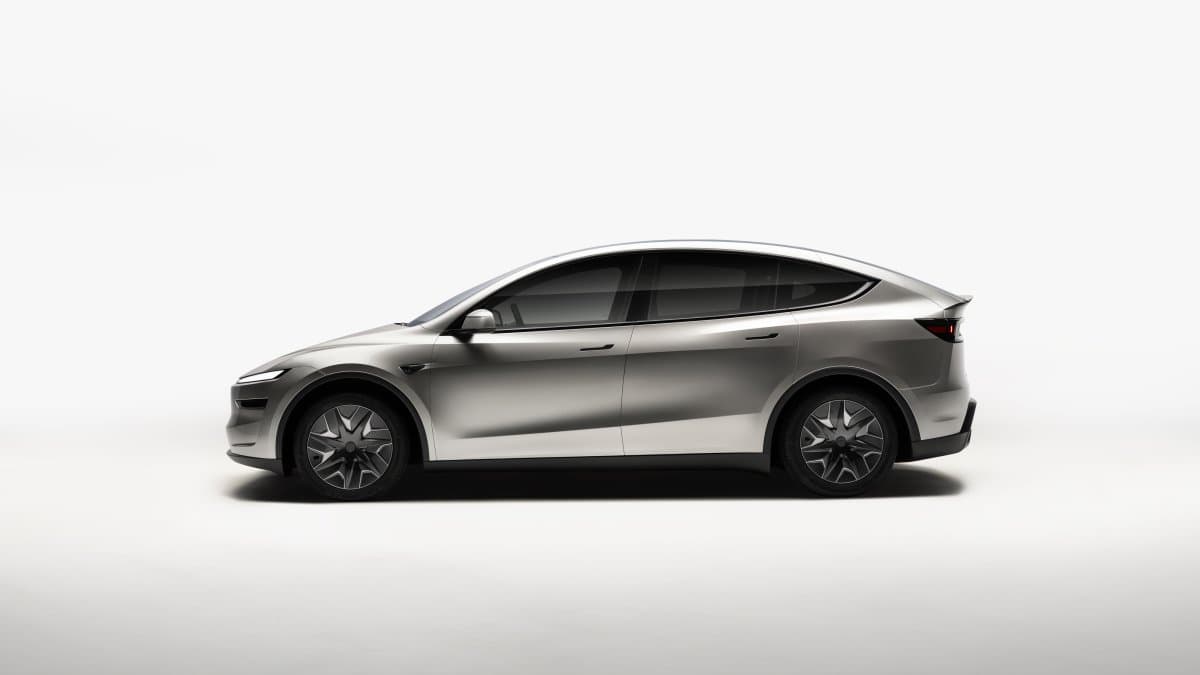
This is particularly relevant to the DACH region—Germany, Austria and Switzerland—because BYD is not merely shifting more units abroad; it is also evidently achieving a higher-margin product mix that supports its gross margin. Competitive pressure remains high, however, especially in high-volume segments where Tesla has traditionally been strong as well.
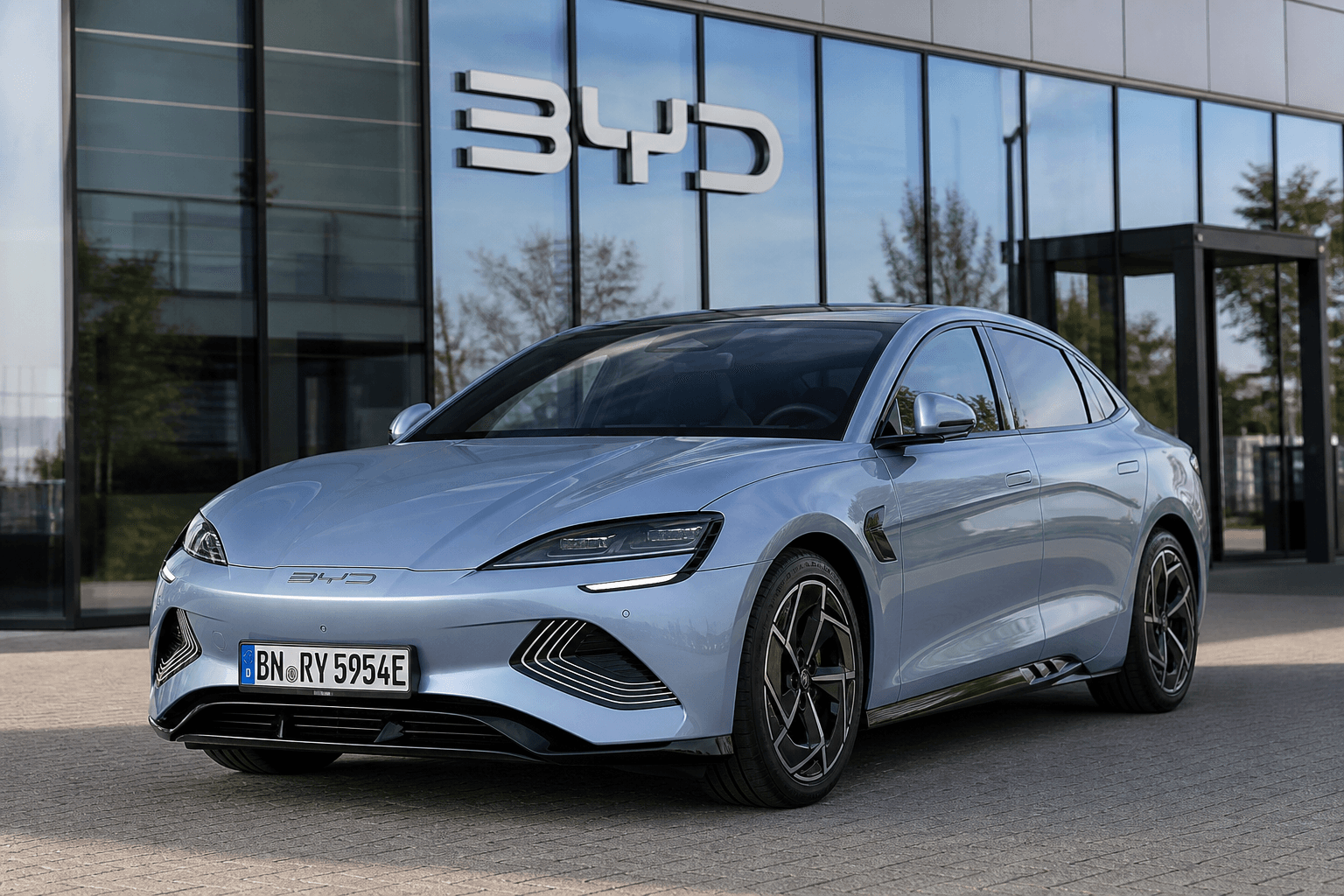
In this context, it is worth taking a look at the model page for the BYD Seal, which competes locally as a sporty sedan in a fiercely contested market.
Premium Brands Gain Momentum: Denza, Fang Cheng Bao and Yangwang
BYD is also benefiting from the growth of its more upmarket brands. Combined sales of Denza, Fang Cheng Bao and Yangwang rose by 61.0%, while their share of passenger-car sales climbed to 12.8%. This is generally good news for margins because, when positioned successfully, more expensive vehicles provide greater financial headroom.
Anyone following Denza and its potential plans for Europe can also find our overview of the Denza N8 and its focus on Europe.
R&D Remains BYD’s Long-Term Commitment, Even If It Hurts in the Short Term
BYD continues to invest aggressively in development. In the first half of the year, it spent around 28.9 billion yuan on research and development, equivalent to approximately 2.3 times its half-year profit. BYD’s cumulative R&D spending now exceeds 270 billion yuan.
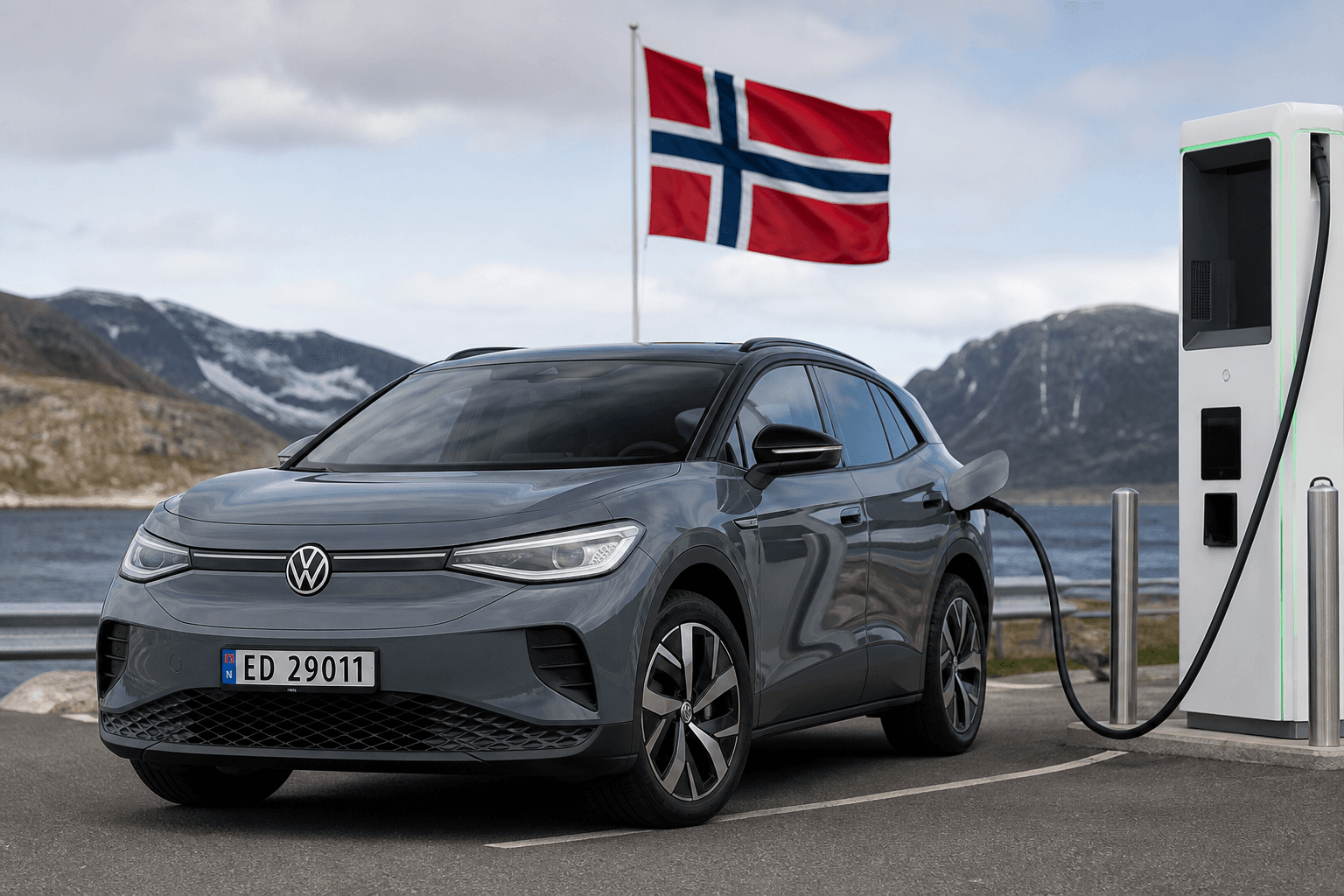
This is the classic trade-off: It weighs on earnings in the short term, but over the long term it can accelerate product cycles, battery technology, manufacturing and software. A comparison with Tesla in particular shows how strongly performance now depends on efficiency in development and production, not merely on the model lineup itself. If this market comparison interests you, our article on the electric-car market in Western Europe, including Tesla and the VW Group, is also relevant.
Cash Flow and Inventory: Expansion Has Side Effects
On the positive side, operating cash flow increased significantly. At the same time, inventory turnover slowed, with inventory turnover days rising to 109 from 79. BYD attributes this to its growing international business and longer transportation and supply chains. This is plausible, as international logistics require more lead time and leave more goods tied up in transit and inventory.
Start of the Second Half: Clear Growth Again in July
Early signals from the second half look more encouraging: Sales rose by 21.76% to 419,211 vehicles in July, marking the third consecutive month of growth. International business was once again particularly strong, with 179,841 passenger cars and pickup trucks exported in July—an increase of 124.3% and around 43% of the month’s total volume.
BYD currently presents the picture of a manufacturer scaling rapidly internationally while its home market fluctuates and exchange rates also shape its results.
What This Means for the DACH Market: Implications for Buyers and Competition
For buyers in Germany, Austria and Switzerland, these results are primarily a sign that BYD remains serious about its international expansion. Greater export volumes generally mean more reliable availability, more local adaptations and, over the medium term, often better pricing due to economies of scale.
At the same time, lower profits do not automatically mean price wars in Europe. Much depends on how China develops as BYD’s core market and on the extent to which currency and logistics effects persist. In its competition with Tesla and European manufacturers, one question will therefore be especially compelling in 2026: Who can successfully balance efficiency, margins and supply chains all at once?