Xpeng Q2 2026: Higher Revenue, but Higher Spending Too
Xpeng increased its revenue to 19.74 billion yuan in the second quarter of 2026, equivalent to around €2.5 billion. What is particularly interesting is not the vehicle business itself, but the shift in revenue drivers: Development and service revenue grew strongly and stabilized the overall business, even as the margin on vehicle sales declined.
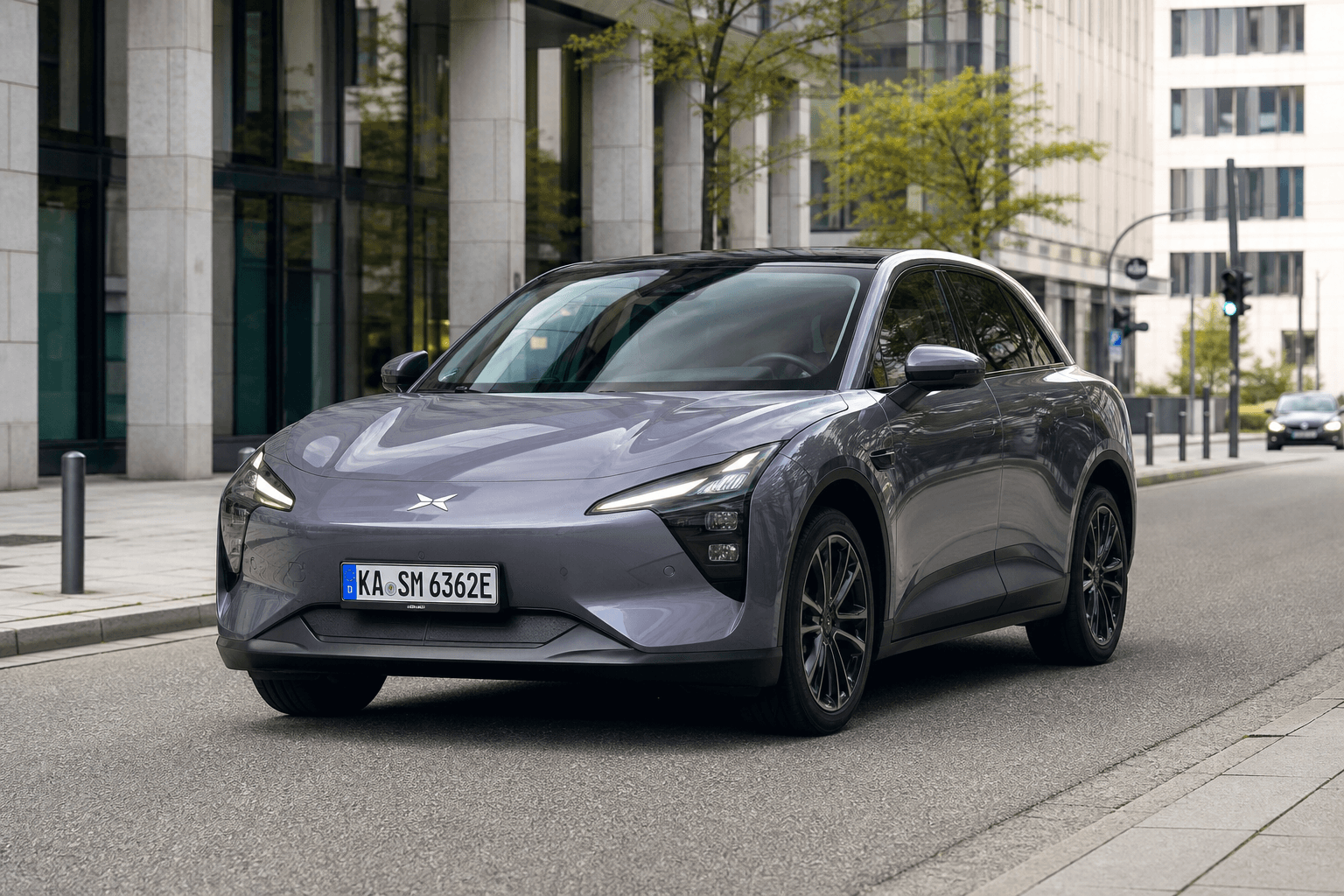
For Europe, this is an interesting combination. On the one hand, it shows that Xpeng is increasingly being recognized as a technology partner. On the other, the company aims to break into the mass market with new models such as the L03, which is also likely to play a larger role in Europe.
Deliveries: Stable Year over Year, Significantly Better than Q1
Xpeng delivered 103,295 vehicles during the quarter. That was practically unchanged from the same quarter last year, but represented a clear jump from the 62,682 units delivered in Q1 2026.
This Q1 effect is common among Chinese manufacturers because the Chinese New Year typically slows business during the first quarter. Reduced subsidies at the turn of the year also had a dampening effect.
Vehicle Revenue and Margin: Only Slight Growth, Pressure from Model Transitions
Revenue from vehicle sales amounted to 17.05 billion yuan (around €2.2 billion), representing growth of only about 1% compared with Q2 2025. At the same time, the gross margin in the vehicle business fell from 14.3% to 12.1%.
Such margin movements are often associated with model transitions and production launches: New variants, new components and ramp-up costs weigh on margins before economies of scale take effect. In Europe, the Xpeng Mona L03 is intended to help increase sales volumes. Xpeng is positioning the vehicle as a challenger in the mass-market segment, with a strong emphasis on driver assistance and AI as well as a comparatively low starting price of €35,600.
VW Partnership Boosts Revenue as Services Nearly Double
The quarter’s biggest driver was the “services and other revenue” category: Revenue rose to 2.70 billion yuan (around €350 million), an increase of 93.9% year over year. According to management, the growth came primarily from R&D and development services for Volkswagen.
The partnership is therefore making a visible contribution to Xpeng’s results—not merely as an equity investment, but as a real business. This aligns with Xpeng’s statement that it reached “important milestones” in the technical collaboration during the quarter, which was reflected directly in service revenue.
The profitability of this business is also notable: The service segment recorded a margin of 75.1%. Together with the rest of the business, Xpeng achieved a consolidated gross margin of 20.7%, demonstrating how strongly software, architecture and development services can support financial results.
In the VW context, the distinction is important for the DACH region—Germany, Austria and Switzerland: This primarily concerns the Chinese market and platforms being rolled out there. It is nevertheless relevant to Europe that VW can develop more quickly in China using Xpeng technology. Models such as the ID. Unyx provide an early indication, including the VW ID. Unyx 09.
Net Loss Widens as Marketing, Dealer Network and AI Research Add Costs
Xpeng’s net loss for the quarter widened to 1.24 billion yuan (around €160 million). In the same quarter last year, the loss was 0.39 billion yuan.
Xpeng cited higher marketing and advertising expenses as well as increased sales commissions resulting from its expanding dealer network. Research and development costs also rose: R&D spending increased by 32.1% to 2.91 billion yuan (around €370 million), driven by new models and AI technologies, including driver-assistance systems and autonomous functions.
Dogotix Funding: $900 Million for Humanoid Robotics
Alongside its quarterly results, Xpeng announced a funding round for its robotics subsidiary Dogotix. The company raised $900 million, valuing Dogotix at $6.3 billion. Xpeng retains a majority stake.
The underlying strategy is technically interesting: The “Iron” humanoid robot is expected to source 85% of its components from a supply chain that overlaps with the existing automotive supply chain. This could accelerate cost reductions, quality improvements and scaling if components, manufacturing partners and quality processes are already established through vehicle production.
Assessment: What Does This Mean for the EV Market in the DACH Region?
For buyers in Germany, Austria and Switzerland, quarterly results only become tangible when they translate into products and service. Nevertheless, two points are relevant: First, the VW partnership shows that Xpeng technology is not limited to its own portfolio but is also being monetized as a development platform. Second, the strong momentum in R&D suggests that Xpeng intends to develop its AI and driver-assistance systems rapidly.
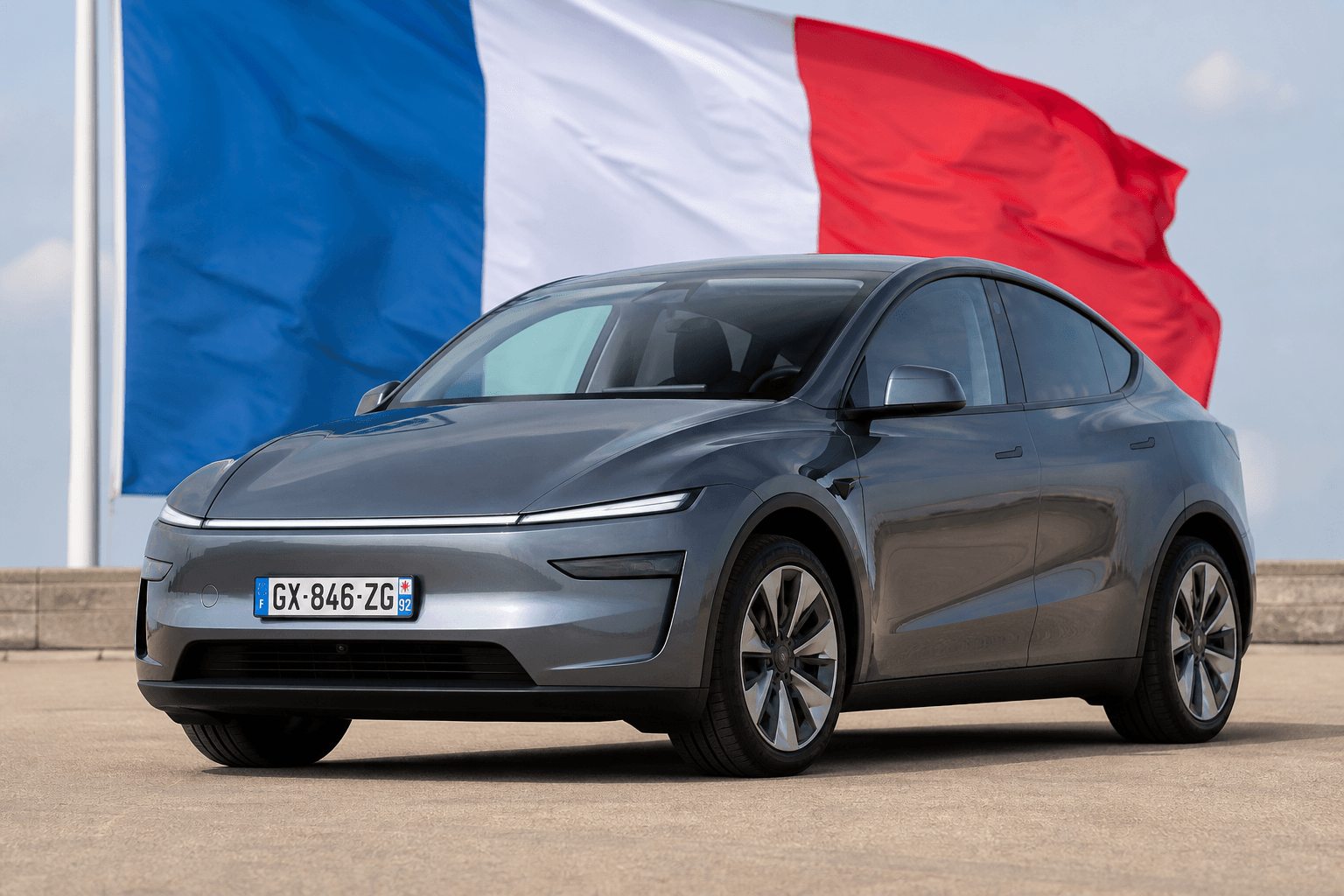
If Xpeng mounts a broader push into the European market, comparisons in the compact SUV segment will be particularly interesting. In practice, hype will matter less than charging speed, efficiency, software stability and a reliable service network. In precisely this segment, the Tesla Model Y remains an important benchmark, particularly for its overall package and Supercharger ecosystem.
The most interesting aspect of Xpeng’s quarter is not its sales volume, but how strongly development services for VW and investment in AI are reshaping its business model.
Key Figures at a Glance
| Metric (Q2 2026) | Value |
|---|---|
| Total revenue | 19.74 billion yuan (around €2.5 billion) |
| Deliveries | 103,295 vehicles |
| Vehicle revenue | 17.05 billion yuan (around €2.2 billion) |
| Vehicle gross margin | 12.1% |
| Services and other revenue | 2.70 billion yuan (around €350 million) |
| Consolidated gross margin | 20.7% |
| Net loss | 1.24 billion yuan (around €160 million) |
| R&D spending | 2.91 billion yuan (around €370 million) |
| Dogotix funding | $900 million ($6.3 billion valuation) |