Xiaomi SU7L Appears as a Camouflaged Prototype
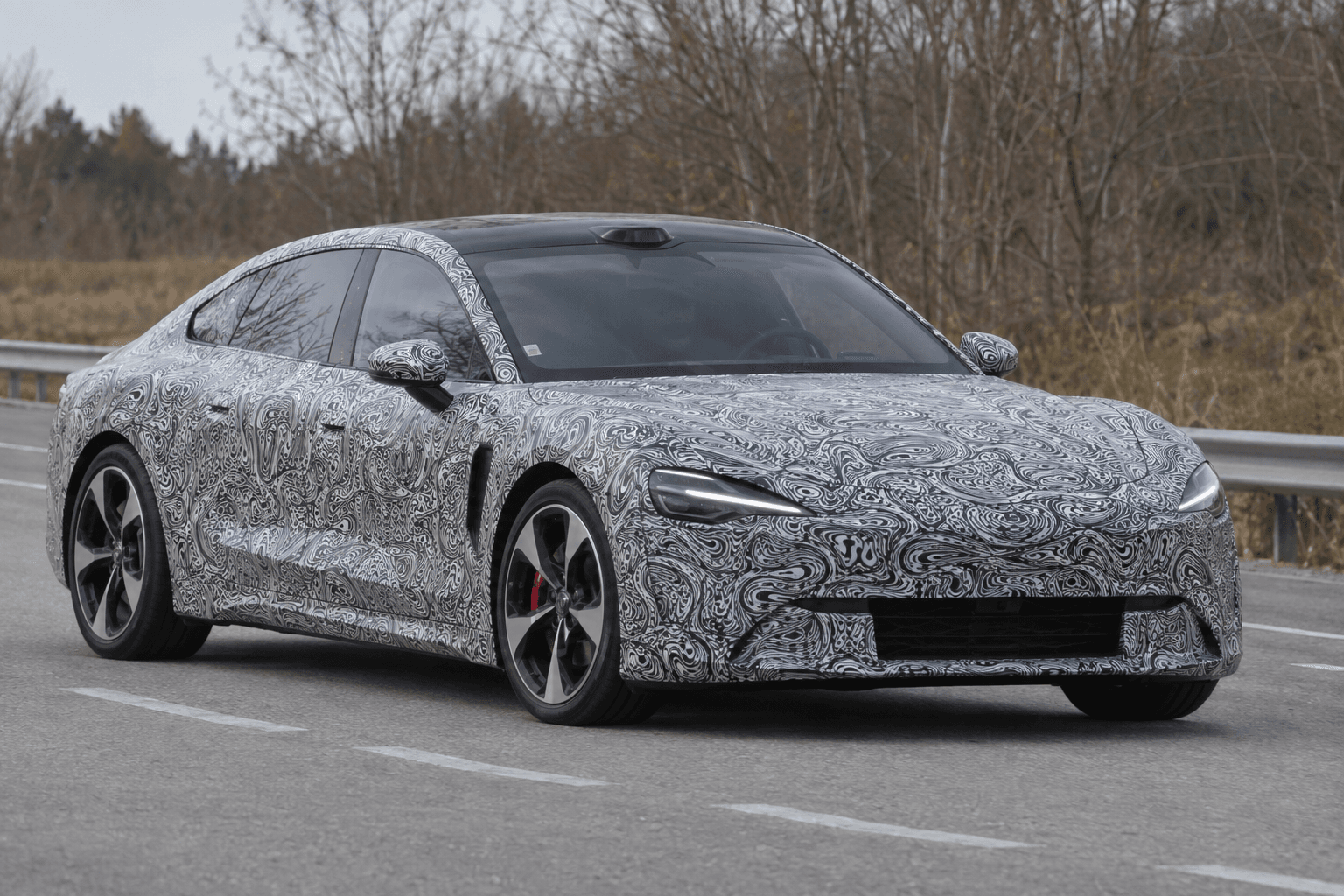
Xiaomi is apparently working on an extended version of its SU7 electric sedan. A camouflaged prototype has been identified as the Xiaomi SU7L, with the L likely denoting a long-wheelbase variant.
The visibly steering rear axle is particularly striking. The housing for the side camera and the arrangement of additional radar sensors also appear to have been changed. However, the images do not provide any reliable indication of which driver-assistance features Xiaomi is preparing.
The SU7L would not be an entirely new model line, but rather a long-wheelbase version of the familiar SU7 optimized for comfort and space.
Rear-Wheel Steering Makes Large Sedans More Maneuverable
At low speeds, the rear wheels in this type of system typically turn slightly in the opposite direction to the front wheels. This reduces the turning circle, making a noticeable difference when maneuvering and navigating tight parking garages.
At higher speeds, the rear wheels can instead turn in the same direction as the front wheels. Depending on the setup, this improves stability during lane changes. Long wheelbase plus rear-wheel steering → more rear-seat space without making the car feel unnecessarily cumbersome in everyday use.
The SU7L’s exact steering angle and actual turning circle are not yet known. Only official technical specifications will show how extensively Xiaomi has implemented the system.
Long-Wheelbase Versions Are Particularly Popular in China
Extended sedans have a long tradition in China’s premium segment. Additional knee room, more comfortable rear seats, and a stronger focus on chauffeur-driven use play a greater role there than in many European markets.
The SU7L is therefore likely to offer more space primarily for rear-seat passengers. Xiaomi could position it against models such as the BMW i5 and Mercedes EQE, although pricing, dimensions, and powertrain options remain unknown.
800-Volt Technology Is Likely to Form the Basis
The regular SU7 lineup received a technical update only a few months ago and moved to an 800-volt platform. An entirely new model generation would therefore be unlikely. It is more plausible that the SU7L will adopt the current technology and combine it with a longer wheelbase, additional rear-seat comfort, and the new steering system.
A high-voltage electrical system can enable shorter charging stops when paired with a suitably designed battery and charging station. However, the scale of the advantage depends not only on nominal voltage but also on the charging curve, battery temperature, and available infrastructure. Our comparison explains the differences between 800-volt and 400-volt architectures.
European Launch Remains Uncertain
Under its current plans, Xiaomi intends to launch electric cars in Europe in 2027. It has not yet been definitively determined which models will actually come to Germany, Austria, and Switzerland.
In the German-speaking DACH region—Germany, Austria, and Switzerland—the regular SU7 would probably have broader appeal than an especially long chauffeur-oriented version due to its sporty focus. Nevertheless, the SU7L could serve as a technology showcase, demonstrating how far Xiaomi intends to go with chassis technology, sensors, and luxury-class comfort. Until its official unveiling, however, the model name, equipment, and market launch remain unconfirmed.