Xiaomi Auto Goes Global and Clearly Sets Its Sights on Europe
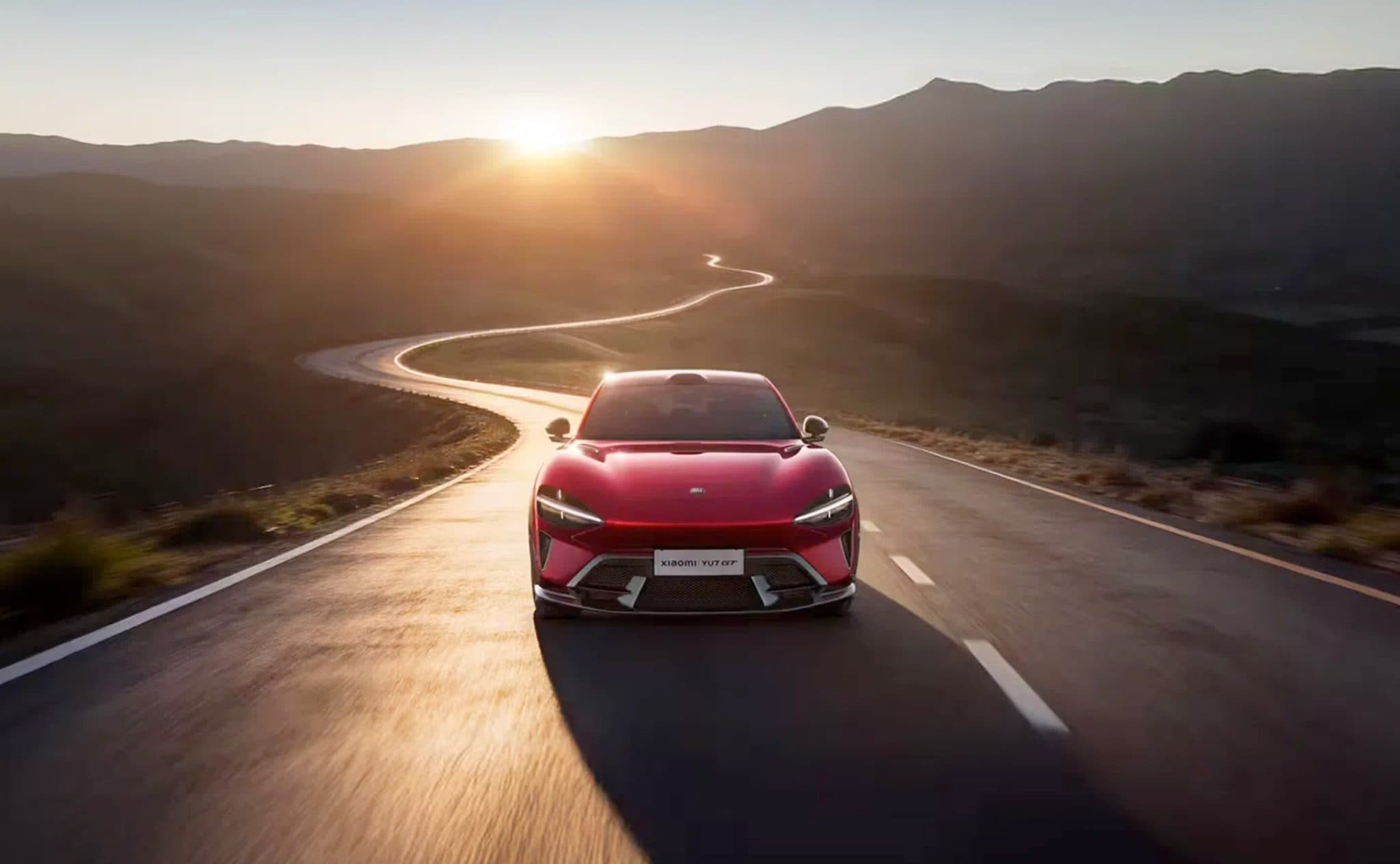
Xiaomi is preparing the next step for its automotive division and has launched a global website along with international social media accounts. The purpose is fairly clear: Xiaomi wants to establish a stronger presence outside China and provide information about the vehicles it plans to offer in Europe over the course of next year.
For the DACH region—the German-speaking markets of Germany, Austria, and Switzerland—this is an exciting signal because it marks the first visible internationalization of Xiaomi’s electric car ambitions. At the same time, a website does not amount to a concrete market launch. Homologation, the sales network, service infrastructure, and pricing strategy will be the decisive factors.
Which Models Are Coming, and When Will the Launch Begin?
Xiaomi still has not officially announced an exact date, a country-by-country roadmap, or the final trim levels for Europe. However, industry observers consider it likely that Xiaomi will initially prioritize its fully electric vehicles, including models from the SU7 and YU7 families, provided they are suitably adapted for the EU market.
One important point for European buyers: Xiaomi is unlikely to position itself as a budget brand. Instead, all signs point to a premium-oriented offering with pricing to match. This also reflects the current trend of new market entrants initially targeting higher-margin segments before expanding into mass-market models.
SkyNomad Range Extender: So Far, Only a Possibility for Europe at a Later Date
It also remains unclear whether Xiaomi will bring its recently unveiled SkyNomad range-extender models from China to Europe. These combine an electric drivetrain with an additional internal combustion engine that acts as a generator. So far, there have been no firm commitments regarding either timing or technical configurations.
This would be a sensitive issue in Europe in any case: range extenders can reduce range anxiety, but depending on their design and the regulatory framework, they can quickly prompt debate over whether they are primarily a transitional technology or a niche solution. Readers interested in the concept can find more context in our article on the Xiaomi SkyNomad range extender.
Why Global Social Media Channels Are More Than Just Marketing
For automakers, international channels now serve as an early indicator: teasers, launch events, software features, and regional product information are typically published there first. This is particularly relevant for software-centric electric cars, because the real differences often lie less in the motor than in the infotainment, updates, driver-assistance features, and app ecosystem.
Indications of ongoing recruitment and activity at local sites also show that Xiaomi is working on its European operations in parallel. In Germany, Munich is an obvious choice due to its role as a technology and automotive hub.
Already Seen Xiaomi Electric Cars in Germany? Here Is What May Be Behind Them
Xiaomi vehicles are already appearing occasionally on German roads. However, this does not necessarily indicate an official launch. They could be company vehicles used as part of preparations and testing, or gray-market imports brought into the country without an official distribution network.
The distinction is crucial for buyers: without an official market launch, local warranties, service networks, and a reliable supply of spare parts are often unavailable. Anyone considering the broader arrival of “new” brands in the European market can also look at the Xpeng Mona L03 for Europe, which provides a good illustration of the groundwork typically required for an EU rollout.
Assessment: Where Xiaomi Must Position Itself in Europe’s Electric Car Market
Europe has become a fiercely competitive market, with intense pressure on pricing, charging performance, and software quality. At the same time, expectations for efficiency and long-distance capability are rising. Readers interested in which models currently lead in terms of range and everyday usability can find comparative figures in the 2026 range ranking.
For Xiaomi, this means that an appealing car alone will not be enough. It also needs a compelling overall package comprising driver assistance, the charging ecosystem, updates, and reliable after-sales support. Tesla has demonstrated for years how strongly these factors can influence purchasing decisions, even as competing models catch up in individual metrics.