Volkswagen turns to LFP for affordable electric cars
Volkswagen is expanding its partnership with Chinese battery manufacturer Gotion by establishing three joint ventures. The focus is on LFP batteries for mass-market electric cars and stationary energy storage systems.
The partnership includes battery cell plants in Spain and Slovakia, as well as planned production of cathode material in Morocco. This is intended to secure a larger share of the supply chain within the region and reduce Europe’s dependence on cell imports.
Three locations take on different roles
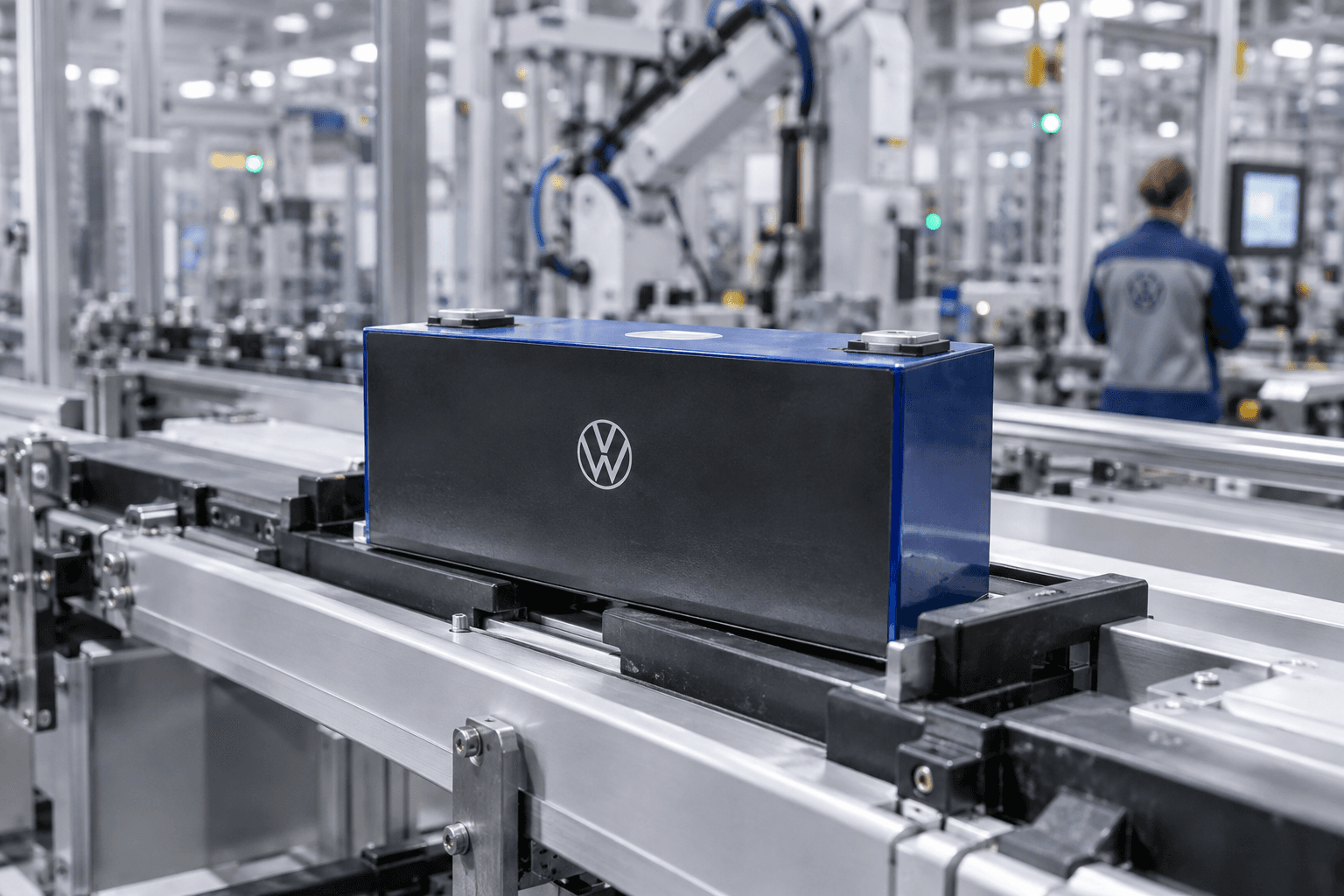
The largest individual project is being built in Valencia, Spain. Gotion is investing around US$1.25 billion and acquiring a 49% stake in the PowerCo factory. Volkswagen and Gotion plan to operate the plant jointly and develop it into a European center for unified LFP cells.
| Location | Role | Planned capacity |
|---|---|---|
| Valencia, Spain | Unified LFP cells for electric cars | 29.1 GWh per year |
| Slovakia | LFP cells for vehicles and stationary storage | 8.4 GWh per year |
| Morocco | Cathode material for LFP batteries | Not yet announced |
Volkswagen plans to invest an additional US$535 million by 2030. The money will go toward measures including a 49% stake in Gotion’s Slovakian plant and the construction of the facility in Morocco.
What is behind PowerCo’s unified cell
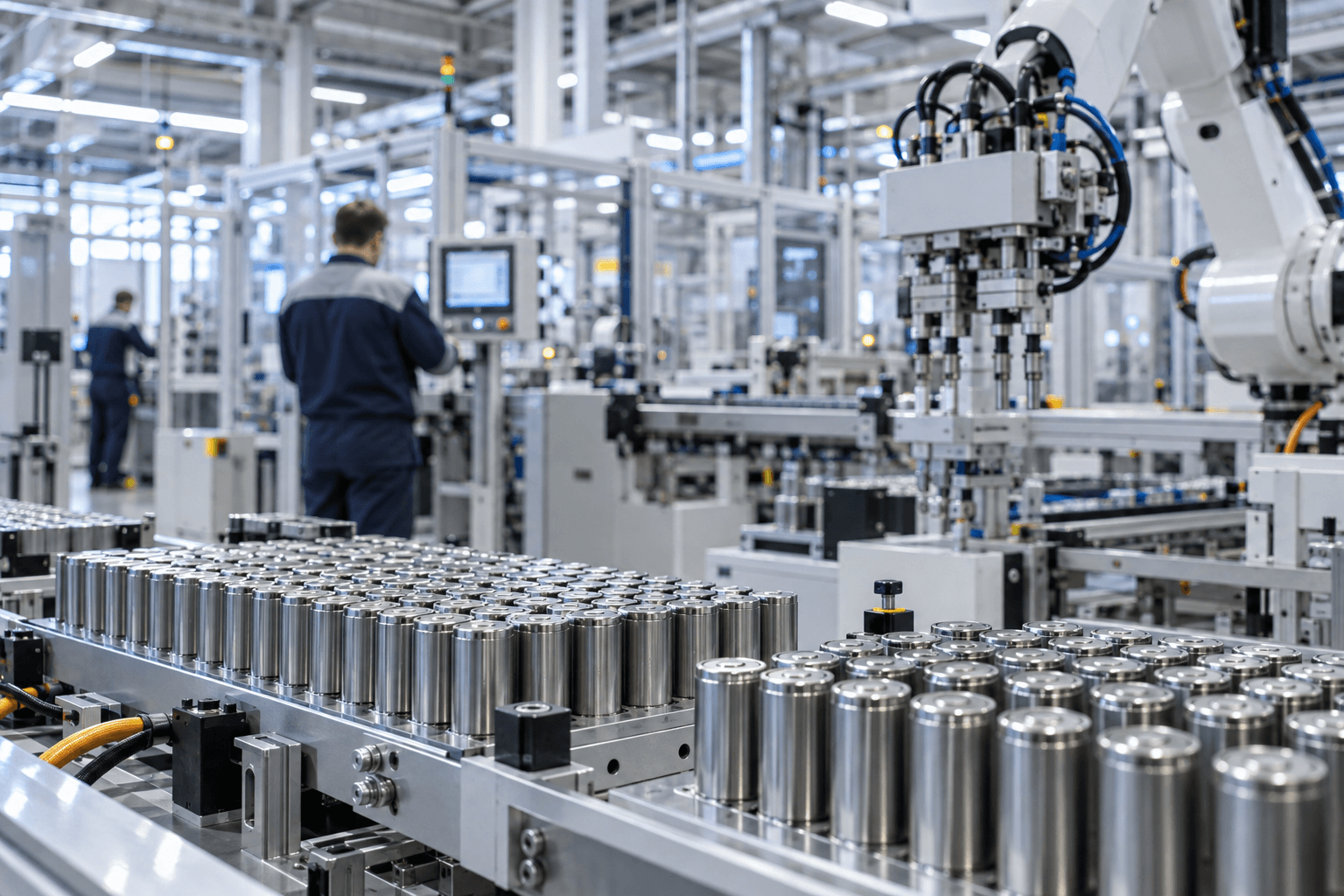
Volkswagen’s unified-cell strategy does not mean that every vehicle receives the same battery chemistry. Instead, it primarily standardizes the prismatic cell format and key interfaces. Different chemistries can be used within this framework depending on the vehicle class.
LFP is particularly well suited to price-focused models. Higher-performance vehicles or those optimized for range can continue to use other cell chemistries, while solid-state cells could also be incorporated into the concept in the long term. This reduces complexity without making every model across the group technically identical.
Why LFP matters for affordable electric cars
Lithium iron phosphate cells do not require nickel or cobalt in the cathode. This can reduce material costs and price fluctuations. They also offer high cycle durability and comparatively robust thermal characteristics.
The traditional disadvantage is lower energy density compared with nickel-rich cell chemistries. However, advances in cell design and battery-pack integration have narrowed this gap. A look at the Chinese battery market shows how quickly LFP is already gaining importance.
For compact electric cars, the trade-off is attractive: slightly lower maximum energy density in exchange for lower costs and potentially more charging cycles. LFP could therefore help make smaller batteries more economical without major compromises in everyday usability.
Europe needs to catch up significantly on LFP
Volkswagen estimates that LFP currently has a market share of around 10% in Europe. By 2030, this could rise to 40% to 60%. At the same time, Europe still lacks a significant domestic production base for this cell chemistry.
This is precisely where the partnership with Gotion comes in. The Chinese company contributes experience with LFP cells and established supply chains, while Volkswagen, through PowerCo, manages vehicle integration and industrial-scale production in Europe.
Other manufacturers are also building up similar capacity. Stellantis and CATL, for example, are planning an LFP plant in Zaragoza, Spain, with an annual capacity of 50 GWh. Competition for affordable battery cells is therefore increasingly taking place directly in Europe.
What the strategy means for VW buyers
The new factories do not automatically guarantee an immediate decline in vehicle prices. Battery costs also depend on capacity utilization, raw material prices, pack design and production ramp-up. However, local mass production improves the prospects for more stable costs and shorter supply routes.
This is particularly relevant to the planned entry-level models from Volkswagen, Skoda and Cupra. The already strong demand for the VW Group’s new electric cars demonstrates how important competitive prices are in this segment.
The LFP initiative is therefore more than a single battery deal. Volkswagen is combining standardized cell technology with regional manufacturing and Chinese production expertise. If the plants ramp up as planned, the strategy could become a crucial building block for more affordable electric cars made in Europe.