VW ID. Cross Production Begins at the Pamplona Plant
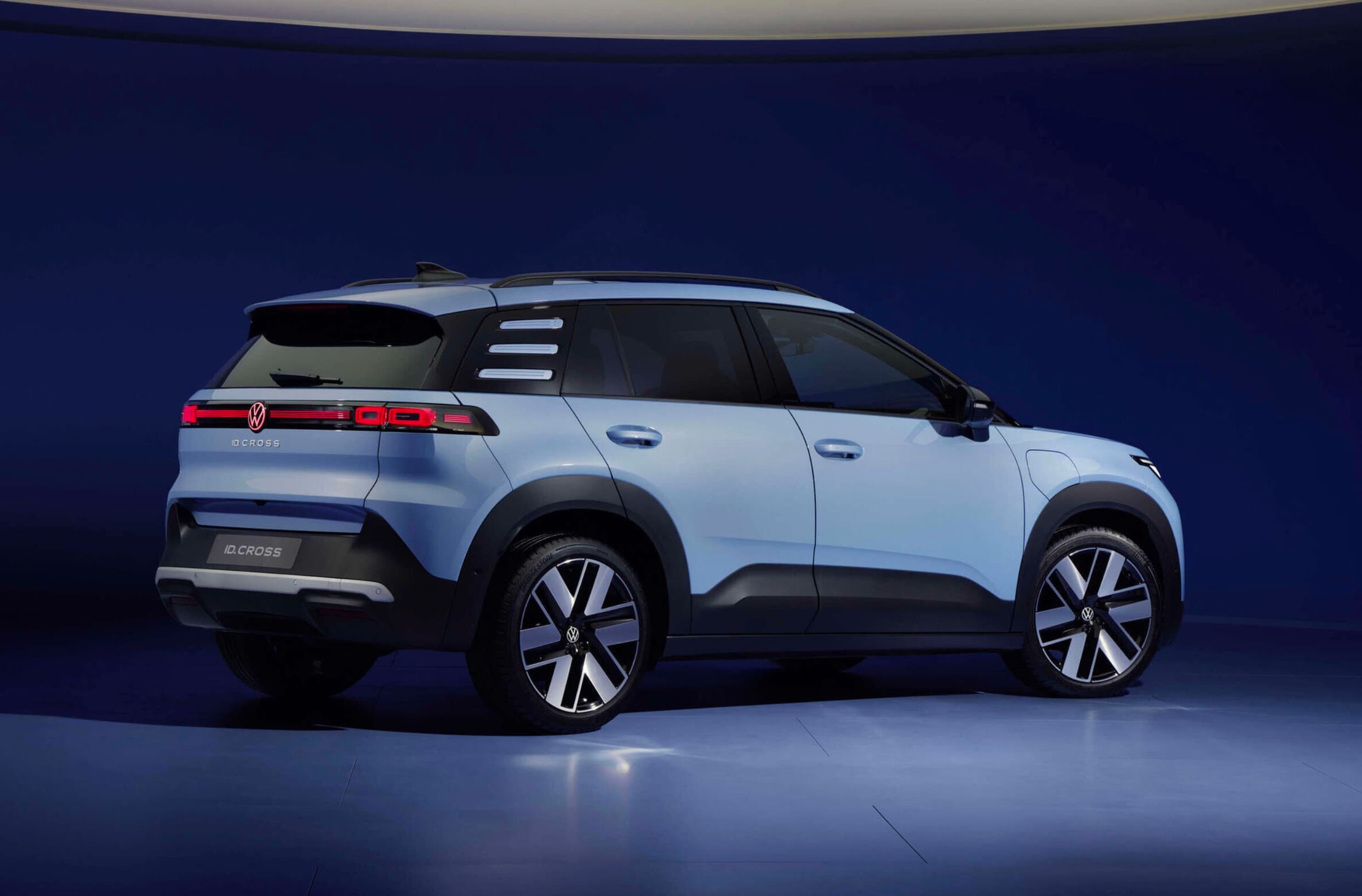
Volkswagen has begun production of the new ID. Cross in Pamplona, Spain. The electric compact SUV enters a segment that has been growing in Europe for years: maneuverable vehicles with a higher seating position, practical interior space, and a comparatively affordable price.
The model is therefore important for VW. While larger electric cars have paved the way technologically and economically, the ID. Cross is intended to reach a much broader range of buyers. The configuration, powertrain, and current price of the VW ID. Cross already show how Volkswagen is positioning the vehicle.
Pamplona Is Becoming a Hub for Compact Models
The Pamplona plant originally belonged to the Volkswagen Group’s Spanish subsidiary Seat, but is now increasingly being used across multiple brands. Alongside the ID. Cross, it produces Skoda models and other Volkswagen Group vehicles. Combustion-engine and electric cars are rolling off the production line in parallel during the transition.
| Metric | Pamplona plant |
|---|---|
| Location | Spain |
| Employees | around 5,500 |
| Annual capacity | around 360,000 vehicles |
| Model mix | VW ID. Cross, Skoda Epiq, VW T-Cross, and VW Taigo |
| Electric vehicle platform | MEB+ |
Its high capacity and comparatively compact workforce make Pamplona a key element of the Group’s European production strategy. For buyers, the main benefit is that several models using similar technology can be produced in high volumes. More shared parts and better utilization of production facilities could help reduce the cost of compact electric cars over the long term.
Cross-Brand Production Is Becoming More Important
The start of production also shows how the balance of power within the Group is changing. Instead of closely assigning each plant to a single brand, Volkswagen is increasingly organizing production through regional networks. This allows Pamplona to integrate models from VW, Skoda, and Cupra, provided their platforms and production processes are compatible.
The small electric cars are based on the advanced Modular Electric Drive Matrix, MEB+. Shared components reduce complexity in procurement, logistics, and assembly. Shared platform → development costs are spread across more vehicles.
This approach is set to be taken even further with the future Scalable Systems Platform, or SSP architecture. It is intended to serve as a Group-wide foundation for numerous vehicle classes and brands, although its launch has been postponed several times. In the short term, MEB+ will therefore have to deliver the desired economies of scale.
The ID. Cross Is Intended to Become a High-Volume Model
With the ID. Cross, Volkswagen is not pursuing an exotic concept but a combination that is well established in Europe. Small SUVs are easy to park, make efficient use of space, and appeal to both private buyers and fleet customers. The success of the T-Roc shows how strongly this format is now putting pressure even on traditional compact cars.
Around 100,000 preorders have already been reported across the Group for the new family of compact electric cars. Previously, more than 70,000 orders for the new entry-level models from VW, Skoda, and Cupra had provided an early boost in demand. The decisive question, however, will be whether each model can sustain annual sales volumes in the six figures.
For Volkswagen, the ID. Cross is less a technical experiment than a crucial test of affordable electric mobility in Europe’s mass market.
What the Start of Production Means for German Plants
Spain taking the lead on small electric cars also sends a signal to Volkswagen’s German sites. Zwickau was long regarded as the flagship plant of the electric transition, but like other plants, it is under significant pressure from costs and capacity utilization. This does not necessarily mean that individual models will be relocated directly, but competition between production sites is increasing.
Pamplona benefits from high capacity, modernized facilities, and a flexible model mix. In the future, what matters more to Volkswagen will not be which brand logo is displayed above a plant, but how efficiently shared platforms can be produced. Our comparison of electric compact SUVs in Germany provides an overview of the growing range of models.
The production launch is therefore an important operational step, but it does not guarantee market success. Price, availability, and everyday usability must now come together. If they do, the ID. Cross could become one of the models that ultimately brings VW’s electric vehicle strategy into Europe’s mass market.