Nio ES9 approaches 30,000 deliveries
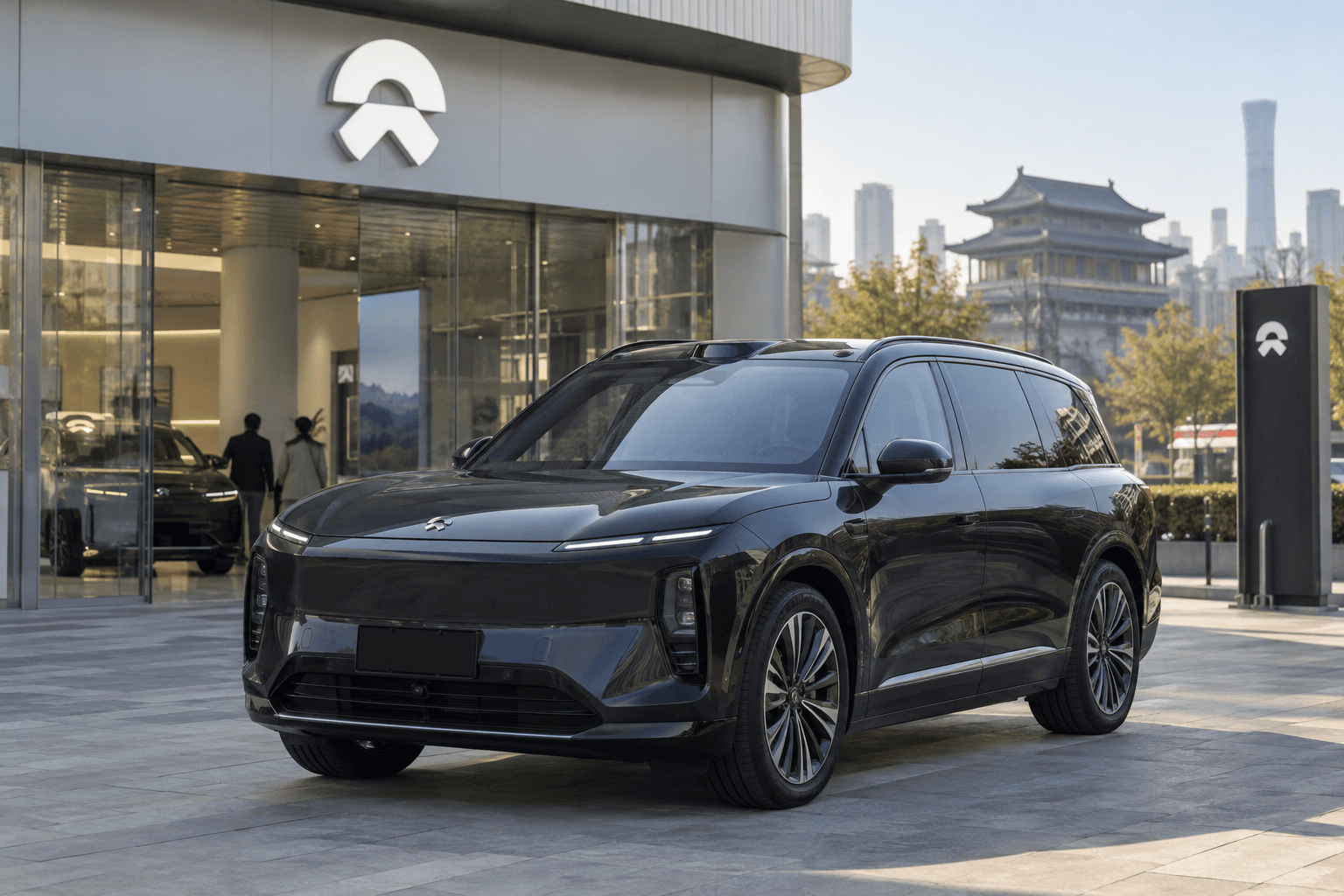
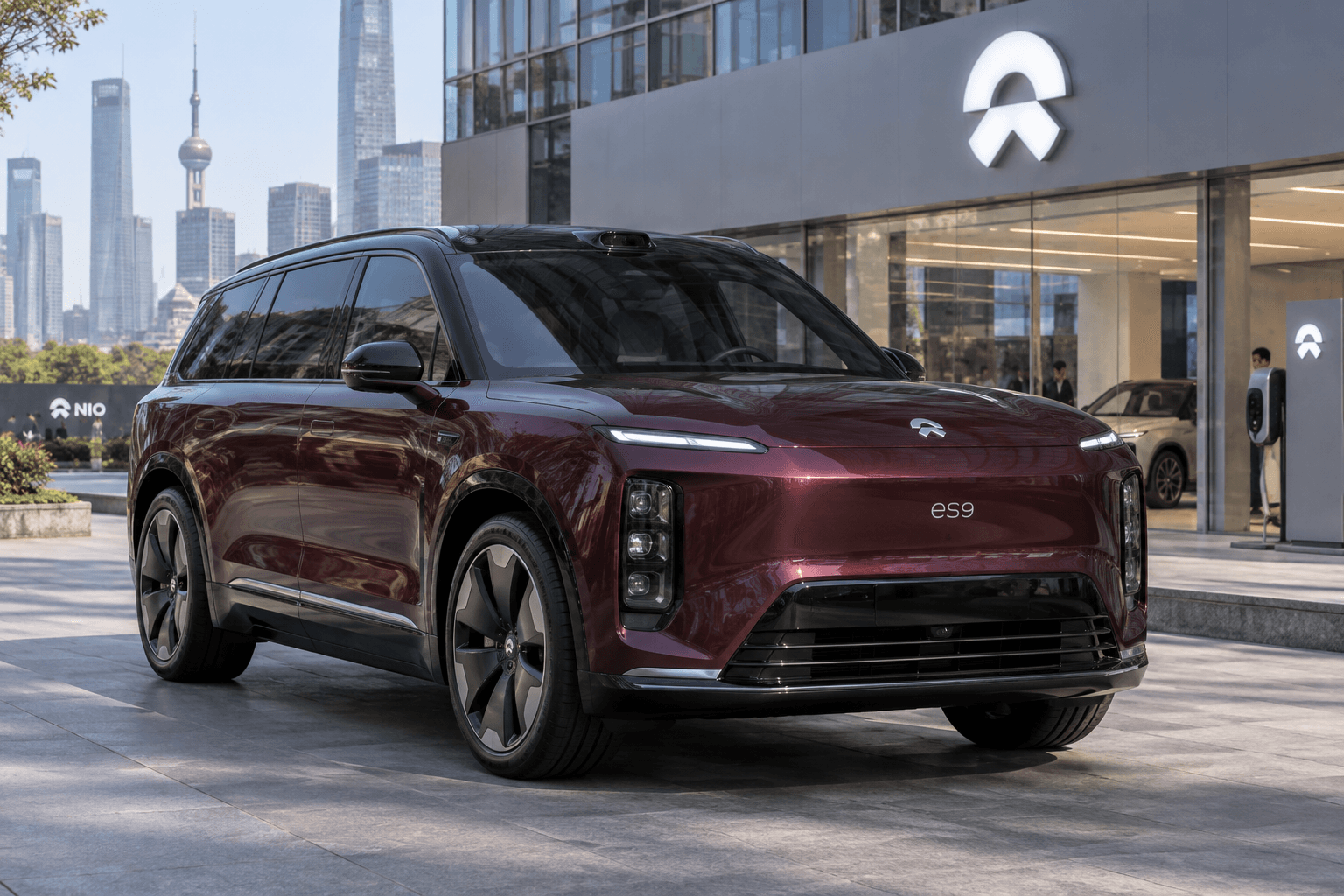
The Nio ES9 is becoming a volume model in China faster than might be expected for a luxury electric SUV of this size. According to the company, the 30,000th vehicle is expected to be delivered this week. The first customers received their cars on May 28, 2026, meaning the milestone would be reached in less than four months.
By the end of August, cumulative ES9 deliveries stood at 24,497. To reach 30,000 units, Nio would have had to hand over another 5,503 vehicles in September. For now, this figure is a company forecast, as the final monthly report has yet to be released.
| Month in 2026 | Deliveries | Cumulative |
|---|---|---|
| May | 3,108 | 3,108 |
| June | 8,595 | 11,703 |
| July | 6,315 | 18,018 |
| August | 6,479 | 24,497 |
Large electric SUVs underpin the core Nio brand
In August alone, the ES9 recorded 6,479 deliveries, accounting for 30.6% of sales for the core Nio brand. Together with the ES8, the total was 17,480 vehicles, or 82.55%. Models from the group’s other brands are not included in this calculation.
For Nio, the ES8 and ES9 are currently not niche models with limited relevance, but the core brand’s main sales drivers.
The ES8 also provides a remarkable point of comparison. According to Nio, the model’s third generation reached 150,000 cumulative deliveries by its first anniversary. This highlights the strong demand for large three-row electric SUVs in China’s premium market.
There, the ES9 faces a growing number of technically sophisticated competitors. These include the Denza N8, BYD’s large luxury SUV, which is also competing for buyers with high performance, a spacious interior and fast-charging technology.
900 volts and battery swapping as technical selling points
The six-seat ES9 sits above the ES8 and is based on a 900-volt architecture. At the same power level, a higher system voltage can reduce the required current, enabling thinner cables, lower heat losses and high charging rates. However, the real-world benefit also depends on the battery, charging curve and available charging infrastructure.
Our comparison of 800-volt and 400-volt electric cars provides technical context on voltage, charging performance and practical differences. In the ES9, Nio supplements fast charging with its battery-swapping system. At compatible stations, the depleted battery is automatically exchanged for a charged one.
The higher-end Executive Signature and Horizon versions also feature two Shenji NX9031 chips for driver-assistance systems and the fully active SkyRide suspension. When deliveries began, Nio said the share of orders for these more expensive variants had significantly exceeded its expectations. The company did not disclose specific order percentages.
The entry-level price applies only to China
In China, the ES9 starts at 498,000 yuan including the battery, equivalent to roughly €63,000. With the Battery-as-a-Service model, the vehicle price without a purchased battery falls to 390,000 yuan, or around €49,000. An ongoing battery rental fee applies in addition.
These conversions are intended only as a guide. Taxes, equipment, transportation, registration and exchange rates prevent a direct comparison with potential prices in Germany, Austria or Switzerland.
Macau added, Europe remains uncertain
Deliveries of the Nio ES9 also began in Macau on September 2. Its local launch coincided with the opening of the city’s first Nio House and expands the model’s regional presence.
However, this does not confirm a launch in the DACH region—Germany, Austria and Switzerland. For Europe, the key factors would include not only homologation but also pricing, the service network and the availability of battery-swapping stations. Nevertheless, the rapid sales ramp-up in China shows that Nio’s combination of a spacious interior, 900-volt technology and battery swapping is attracting substantial demand in its home market.