Aito owners respond to uncertainty with mockery
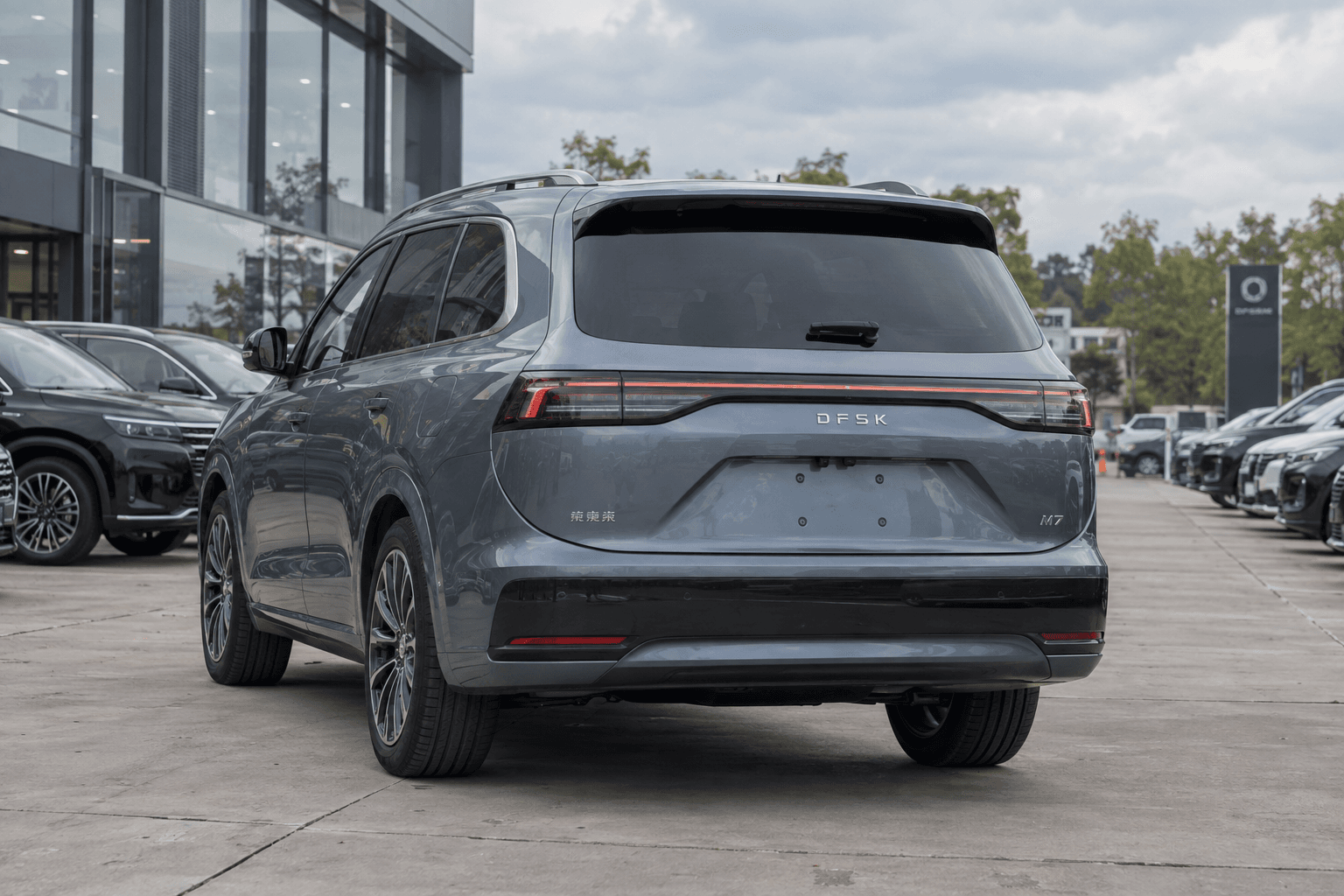
The apparently changing partnership between Huawei and Seres is causing concern in China. In photos, some Aito owners are replacing their vehicles’ brand badges with logos from DFSK, a more affordable sister brand within the Seres Group.
The self-deprecating protest is spreading primarily on the Chinese platform Weibo. The pointed message is that what was supposedly the flagship project within the Harmony Intelligent Mobility Alliance, or HIMA, is now becoming an ordinary Seres brand again.
The viral mockery is directed less at the car itself than at the uncertainty surrounding Huawei’s future influence over Aito.
Why Huawei is so important to Aito
At Aito, Huawei was more than a conventional supplier. The technology group was involved in vehicle development, software, digital services, and marketing. This close relationship gave Aito a considerable degree of consumer trust in China and helped Seres establish the brand in the premium segment.
This is particularly evident with the Aito M7. One owner reported paying more than 300,000 yuan, equivalent to roughly €36,000. Without Huawei’s visible involvement, he is questioning whether Aito will still be able to command similar prices in the future.
| Area | Known situation | Open question |
|---|---|---|
| Brand management | Seres is apparently gaining more control over Aito | How closely Huawei will remain involved at the strategic level |
| Technology | Huawei shaped the software and digital vehicle systems | Which contributions will continue in new models |
| Service | Existing vehicles remain dependent on support | How updates and spare-parts availability will be organized over the long term |
| Price positioning | Aito was marketed as a technologically advanced premium brand | Whether customers will continue to accept the previous price premium |
DFSK becomes a symbol of the feared decline
DFSK was originally established as a joint venture between Dongfeng and Seres but is now wholly owned by Seres. The brand focuses primarily on affordable microcars, compact electric vehicles, and light commercial vehicles.
It is precisely this contrast that makes the replacement logo so effective for Aito owners. The so-called downbadging is intended to convey that they bought a technologically ambitious premium vehicle but now fear it will move closer to the group’s lower-cost brands.
A DFSK dealer is also said to have joined in with a humorous banner welcoming Aito drivers. It has not been confirmed whether this was an official initiative. Nevertheless, the image has become a fitting symbol of the debate.
A complete split has not yet been established
Describing the situation as a divorce, as some social media users have done, is currently an oversimplification. Seres and Aito have not yet provided a comprehensive explanation of how responsibilities, trademark rights, software development, and sales will be divided in the future. Greater control by Seres also does not automatically mean that Huawei is ending all technical support.
The frequently cited payment to Huawei of around 50,000 yuan, or roughly €6,000, for each Aito sold has not been officially confirmed either. If the figure is accurate, a new agreement could improve the cost structure. At the same time, Seres would have to prove that development and brand management can remain at their previous level with less support.
Owners are concerned about service and residual values
The greatest concern is not whether the vehicles will remain drivable in the short term, but how they will be supported over the long term. Software updates, repairs, spare parts, and a stable dealer network directly affect the practical value of highly digitalized cars.
Declining confidence could also weigh on used-car prices. Brand uncertainty → pressure on resale values. For owners, clear communication from Seres and Huawei is therefore more important than any response to the current social media mockery.
What the Aito debate means for Europe
Aito does not yet play a comparable role in the markets of Germany, Austria, and Switzerland. Nevertheless, the case shows how strongly Chinese car brands depend on technology partnerships and public perceptions of those relationships. In the rapidly growing Chinese electric car market, a change in a partnership can affect a brand’s reputation within days.
The Aito M7 is offered with both electrified powertrains and a range extender. Such concepts are becoming more important in China, as also demonstrated by the development of the range extender in the Xiaomi SkyNomad. For Europe, transparent consumption figures, reliable software, and a robust service organization are especially important.
Seres must now build trust
The online protest is not evidence that Aito is on the verge of a technological collapse. But it does show how closely customers associate the brand with Huawei. Seres can reduce this dependence only by establishing clear responsibilities, providing reliable support, and launching compelling new products.
If it succeeds, greater independence could even bring economic benefits. If the companies remain vague, however, doubts about pricing and residual values are likely to grow. For Aito, what matters now is less the badge on the rear than the question of who will take long-term responsibility for technology and customer support.