China taxes lithium-ion batteries for the first time
China is reshaping its incentives for electric cars and batteries. Since September 1, 2026, lithium-ion batteries have been subject to a consumption tax of 2%. The tax rate is set to rise to 4% in September 2027.
This ends a tax exemption that had been in place since 2015. The change affects the very battery technology that now dominates the Chinese market and is used in numerous electric cars, plug-in hybrids and stationary energy storage systems.
China is not ending its support, but shifting incentives away from established technologies and toward new cell chemistries and infrastructure.
These tax changes have already been confirmed
| Date | Change | Affected areas |
|---|---|---|
| Since January 2026 | Purchase tax reduced by only 50%, resulting in an effective rate of 5% | Electric cars and plug-in hybrids |
| Since September 2026 | 2% consumption tax | Lithium-ion batteries |
| From January 2027 | Additional vehicle and vessel tax benefits will be withdrawn | Including electric commercial vehicles, plug-in hybrids, range-extender vehicles and fuel-cell commercial vehicles |
| From September 2027 | Consumption tax rises to 4% | Lithium-ion batteries |
| Until the end of 2028 | Still exempt from consumption tax | Sodium-ion batteries, solid-state batteries and fuel cells |
Since the beginning of 2026, the purchase tax relief has also been subject to a cap. Buyers can save a maximum of 15,000 yuan per vehicle, equivalent to around €1,800. Previously, qualifying vehicles were fully exempt from purchase tax.
How much battery costs could rise
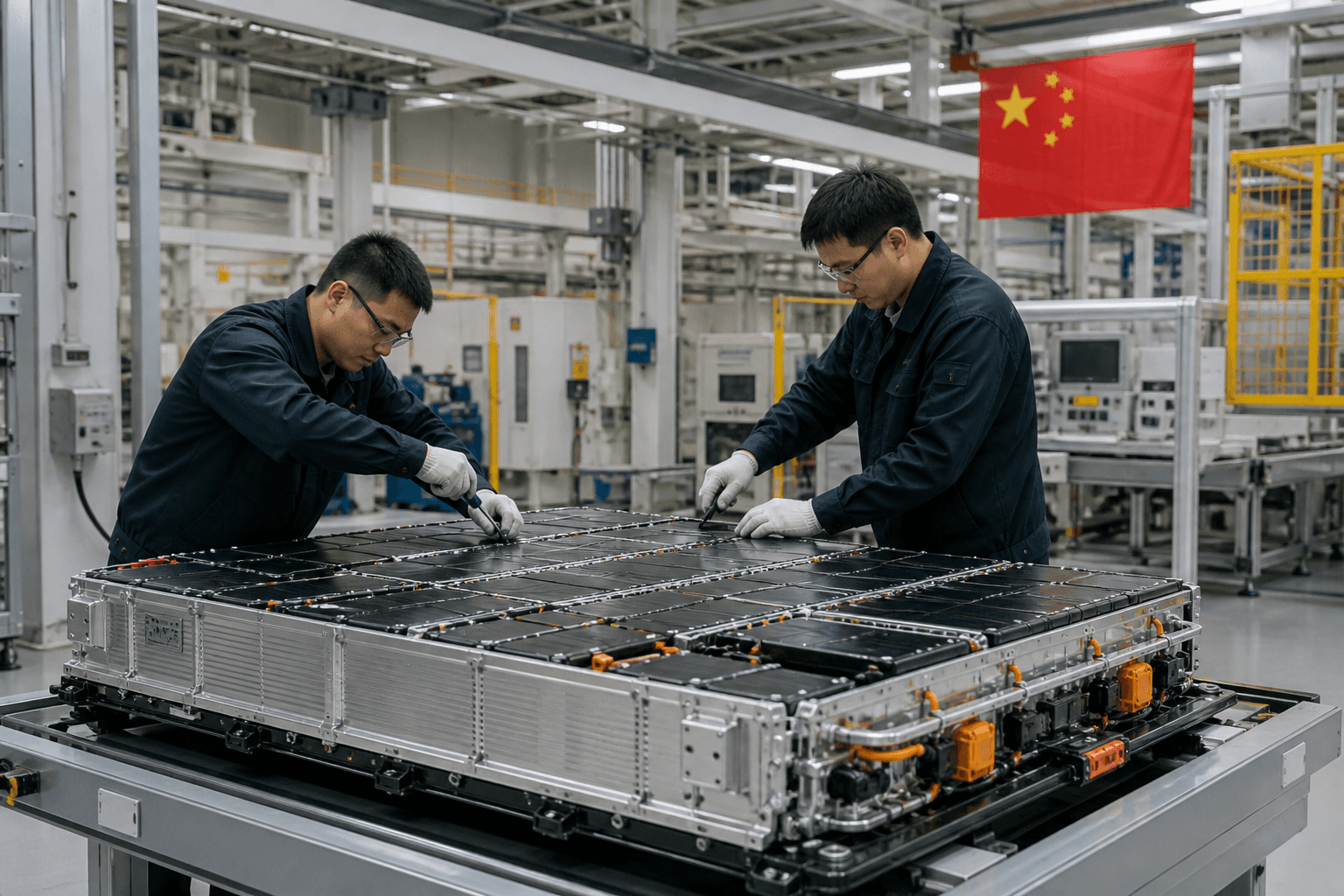
The immediate additional cost of the new battery tax is initially likely to remain manageable. For an electric car with a 60 kWh battery, a model calculation puts the additional cost from the 2% tax at about 438 yuan, or around €52. At the later rate of 4%, it would be around 876 yuan, or approximately €104.
These figures are based on prices for Chinese lithium iron phosphate (LFP) storage cells and cannot be applied directly to every vehicle. Cell chemistry, supply contracts, pack design and margins all influence whether manufacturers pass the tax on to buyers in full.
LFP has now become the most important cell chemistry in China. Our overview of the Chinese battery market and LFP’s dominance shows its market share and the reasons for this success. Despite the new tax, lithium-ion technology is likely to remain the backbone of the industry for the foreseeable future.
Sodium-ion and solid-state batteries gain momentum
The exemptions for sodium-ion and solid-state batteries send a clear industrial policy signal. Sodium-ion cells are considered particularly promising for affordable vehicles and stationary energy storage systems, while solid-state batteries offer the prospect of higher energy densities and greater safety over the long term.
However, neither technology has yet reached the same level of industrial maturity as LFP or nickel manganese cobalt (NMC) cells. Tax exemption alone will therefore not produce a rapid breakthrough. It can, however, make investments more attractive and accelerate the development of new production capacity.
At the same time, Chinese manufacturers continue to advance established LFP technology at a rapid pace. One example is the LFP battery announced for the BYD Seal 06, which promises particularly short charging times.
Fully electric cars are not being disadvantaged across the board
An important distinction is necessary regarding the expiry of additional tax benefits from January 2027. The vehicles affected include battery-electric commercial vehicles, plug-in hybrids, range-extender models and fuel-cell commercial vehicles. By contrast, the vehicle and vessel tax for fully electric passenger cars is not expected to change.
Foreign manufacturers are not excluded as a matter of principle either. The remaining tax benefits will continue to apply to qualifying electric cars produced in China. The decisive factor is therefore the production location, not simply the brand’s country of origin.
What the policy shift means for Europe
For buyers in Germany, Austria and Switzerland, China’s purchase tax has no direct impact. However, the battery tax could become relevant along the supply chain because many cells, materials and complete battery packs come from China. With additional costs in the low three-digit euro range, the initial impact on vehicle prices is likely to remain limited.
There is no question of China retreating from electric mobility. The government continues to invest in charging points, battery-swapping stations and industrial capacity. Instead, the strategy is changing: fewer broad tax benefits for an established market, combined with more targeted support for new technologies and the necessary infrastructure.