Hamburg Targets Artificial EV Sounds
Electric cars are supposed to make traffic quieter, but some models can deliberately generate artificial engine sounds. Hamburg’s red-green coalition wants to limit such avoidable noise and launch an initiative at the federal level.
A corresponding motion is due to be adopted at the session of the Hamburg Parliament, known locally as the Bürgerschaft, on September 16. In it, the SPD parliamentary group calls on the Hamburg state government, known as the Senate, to campaign for a nationwide ban on unnecessary, artificially generated engine noise from electric cars.
Safety sounds, yes; avoidable show noise, no: the planned initiative is intended to draw precisely this distinction more clearly.
AVAS Would Explicitly Remain Permitted
The initiative is not aimed at every artificially generated sound produced by an electric car. The mandatory Acoustic Vehicle Alerting System, or AVAS, would remain unaffected.
AVAS makes electrified vehicles audible at low speeds. At such speeds, tire noise is often still so quiet that pedestrians and cyclists might not hear an approaching car. Within the EU, corresponding requirements have applied to new vehicle types since 2019 and more broadly to new vehicles since 2021.
| Type of sound | Purpose | Policy position |
|---|---|---|
| AVAS warning sound | Protecting pedestrians and cyclists at low speeds | Would remain permitted |
| Artificial engine sound | Simulating the sound of a combustion engine or performance vehicle | Would be restricted or banned |
| Interior sound | Audible feedback for the driver and passengers | The distinction still needs to be clarified |
The Technical Distinction Is Crucial
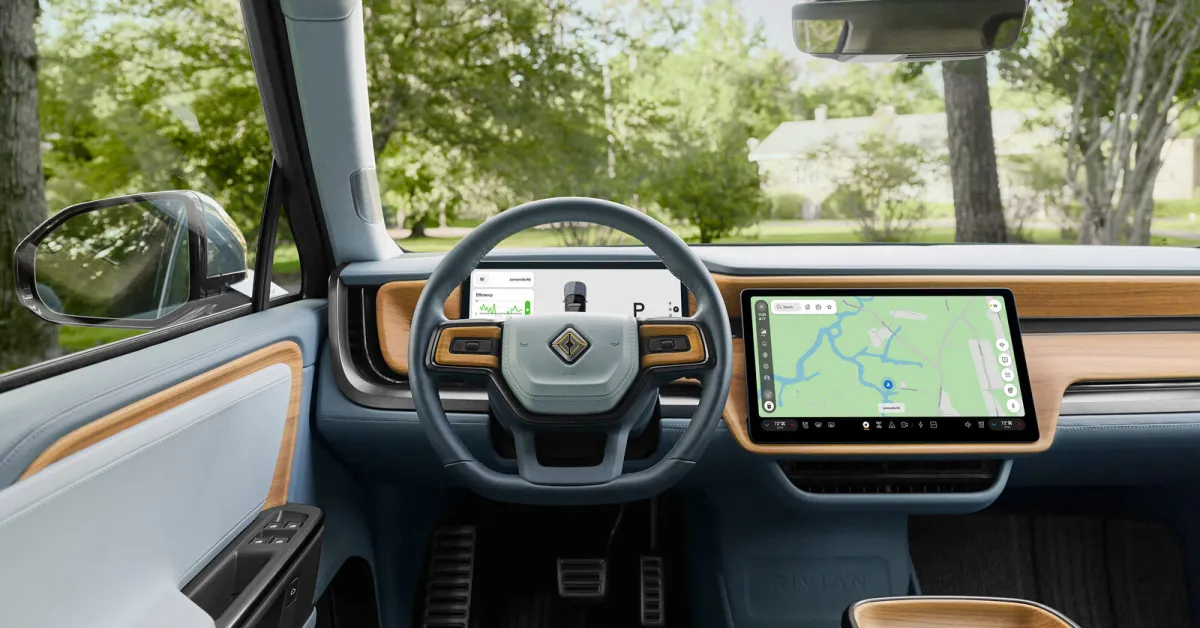
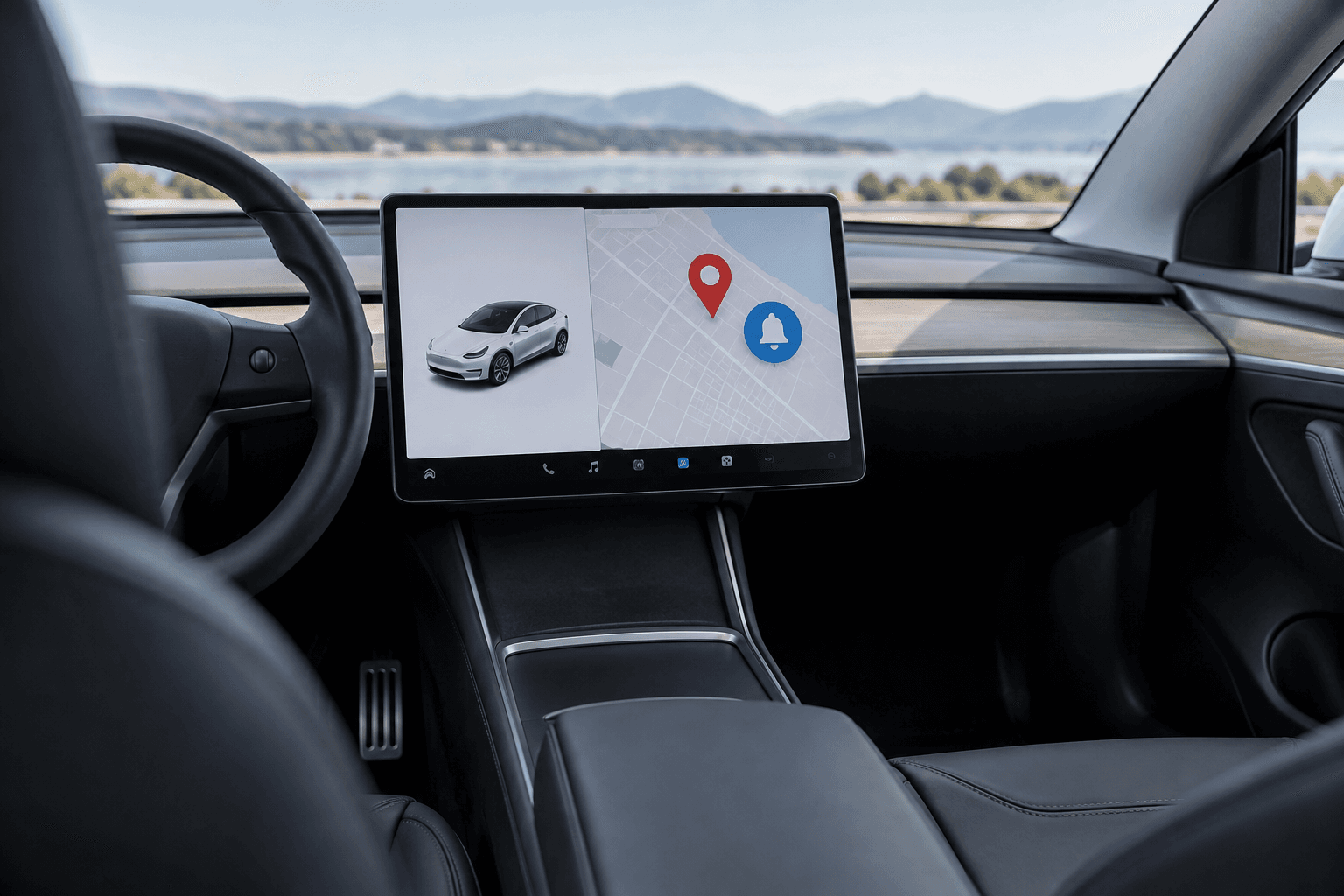
In practice, the key issue will be exactly which sounds any potential regulation covers. Many EVs play dynamic driving sounds exclusively inside the cabin. Other systems can also use external speakers, making them clearly audible outside the vehicle.
A blanket ban on all synthetic sounds would therefore be neither sensible nor compatible with European safety requirements. A more effective approach would be to regulate avoidable external sounds that go beyond the necessary warning function or can deliberately be set to particularly high volumes.
Limits, measurement procedures and a clear distinction between factory-fitted and subsequently modified systems would also be required. Without such technical criteria, effective enforcement on public roads is likely to prove difficult.
Hamburg Also Wants Tougher Action Against Car Posing
The motion is part of a broader initiative against car posing, meaning conspicuous driving intended to attract attention. This includes not only modified exhaust systems but also aggressive acceleration, unnecessary engine revving and the deliberate generation of noise.
The Green parliamentary group therefore wants to support an initiative from Bremen in the Bundesrat, the federal chamber representing Germany’s states. Uniform nationwide rules are intended to give specialized police units greater legal certainty and make enforcement easier.
These Issues Need to Be Clarified
- Which artificial external sounds are considered unnecessary?
- How can volume and sound characteristics be measured in a legally robust way?
- Would potential requirements apply only to modifications or also to factory-fitted features?
- What penalties would apply to the deliberate generation of noise?
Nothing Will Change for Drivers for Now
The Hamburg motion will not immediately result in new regulations. The Bürgerschaft would first have to approve it, after which implementation at the federal level would be required. Depending on how the rules are designed, European vehicle regulations could also be affected.
EV owners therefore do not currently need to take any action. However, the debate shows that optional external sounds could face tighter regulation in the future. A purely German regulation would initially have no direct effect in Austria or Switzerland, while European AVAS requirements would remain separate in any case.
In principle, the direction of the initiative is understandable: electric mobility can reduce not only local exhaust emissions but also traffic noise. Artificial sounds should be limited to situations where they provide a safety benefit or entertain only the vehicle’s occupants.