China’s Battery Installations Reach a New High for the Year
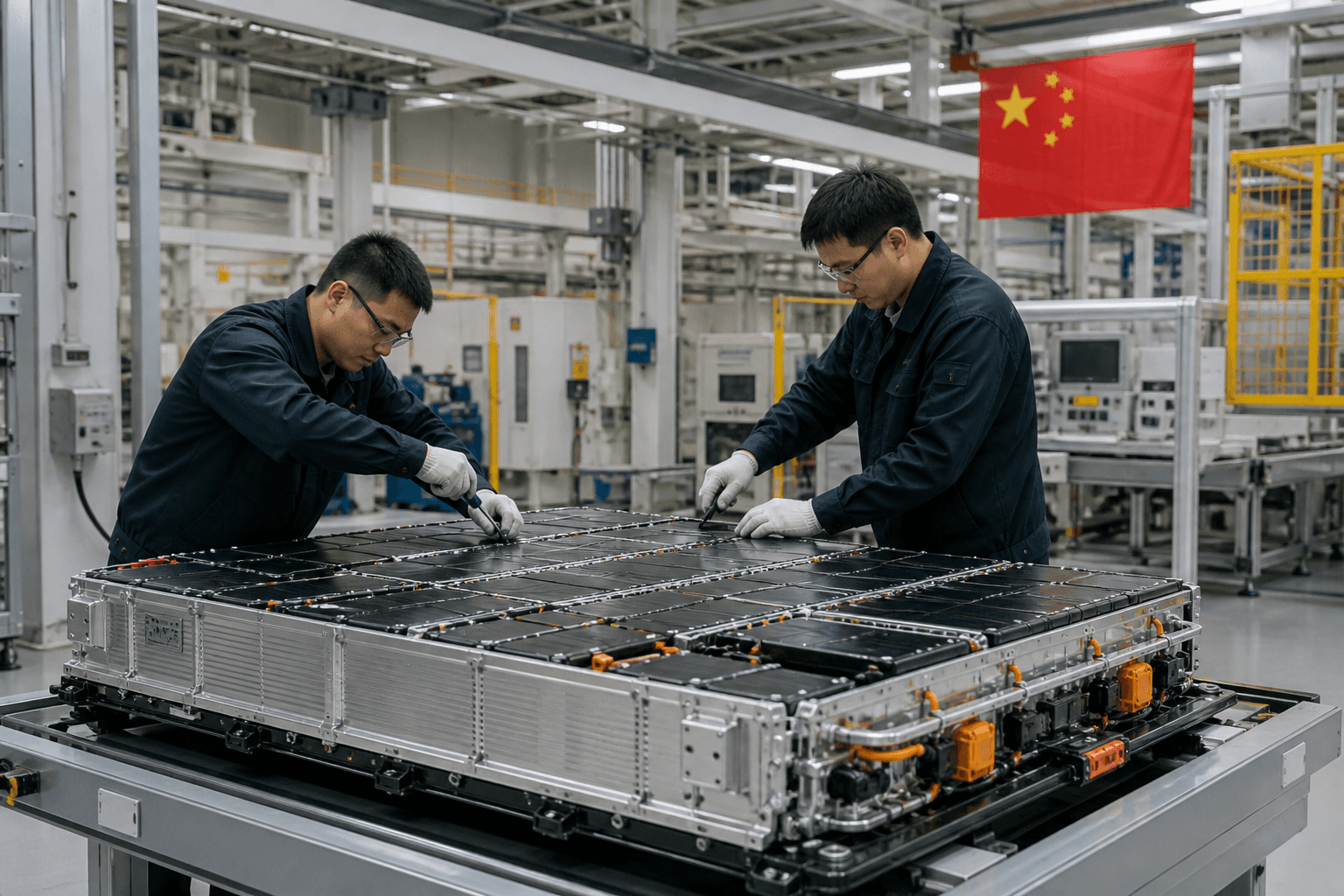
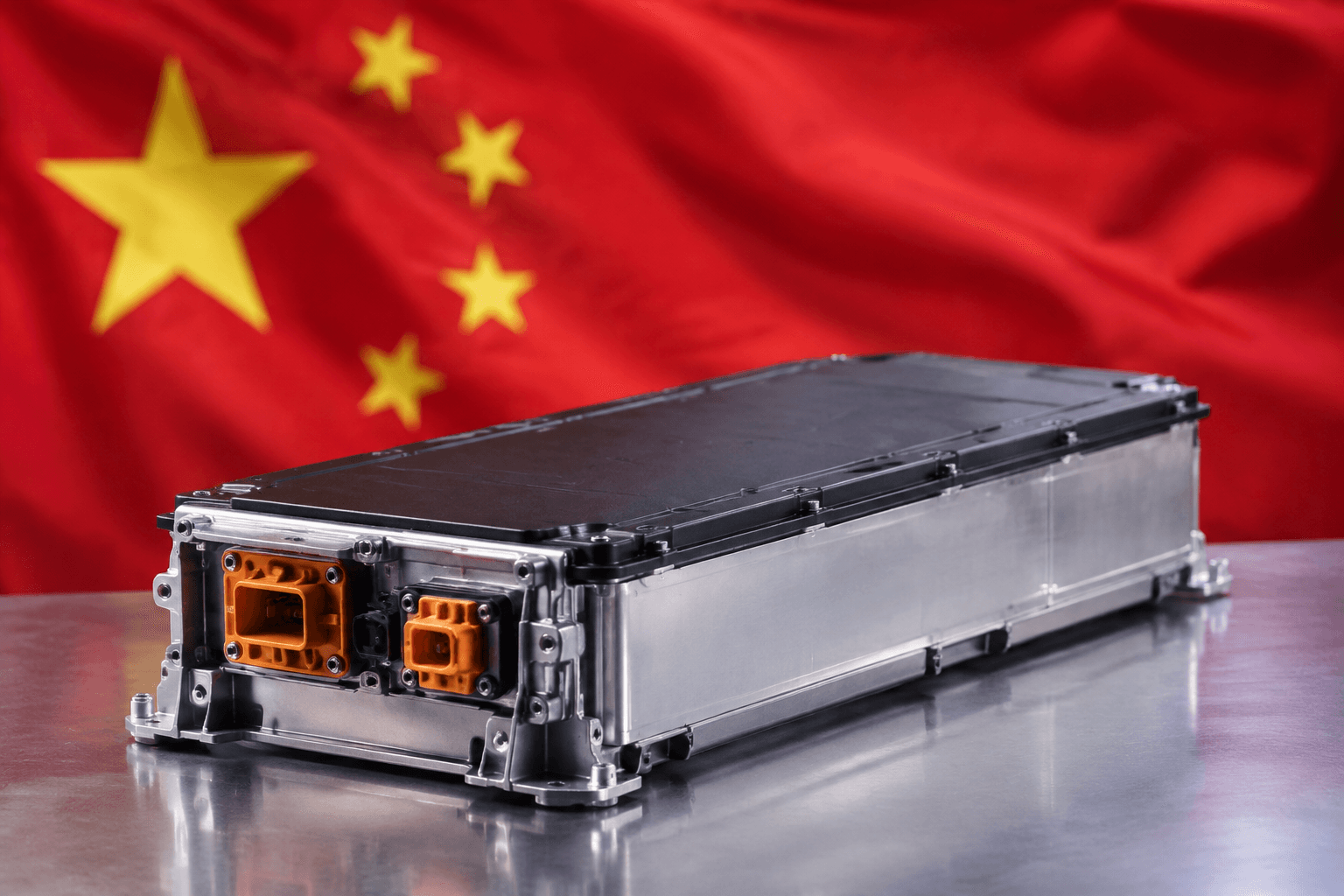
China’s EV battery market is gaining momentum again. In August 2026, traction batteries with a capacity of 79.0 GWh were newly installed in electric vehicles in the country, more than in any other month of the year to date.
Installation volume rose by 5.9% compared with July and by 26.3% year over year. Growth therefore remains strong, even though momentum slowed slightly compared with the previous month.
| Metric | August 2026 | Change |
|---|---|---|
| Traction batteries installed | 79.0 GWh | +26.3% year over year |
| Compared with July 2026 | +4.4 GWh | +5.9% |
| January to August 2026 | 489.1 GWh | +17.0% year over year |
Battery installations here refer to the capacity actually installed in vehicles. This metric is therefore more indicative of current demand for electric vehicles than cell production alone.
LFP Significantly Extends Its Lead
Lithium iron phosphate chemistry remains the main growth driver. In August, 67.6 GWh of LFP batteries were installed, 31.0% more than a year earlier and 7.0% more than in July.
This marks the third consecutive monthly record for LFP’s market share. In July, the LFP share of China’s battery market had already reached 84.6%; it has now risen to 85.6%.
| Battery chemistry | Installations | Market share | Year over year |
|---|---|---|---|
| LFP | 67.6 GWh | 85.6% | +31.0% |
| Ternary batteries | 11.0 GWh | 14.0% | +0.9% |
The small discrepancies compared with the overall total are due to rounding and other cell chemistries whose volumes are negligible. Ternary batteries declined by 1.0% compared with July, marking their third consecutive monthly decrease.
In China, LFP is no longer merely the low-cost alternative but clearly the dominant battery chemistry for electric cars.
Why LFP Is Growing So Strongly in Electric Cars
LFP cells do not use nickel or cobalt in the cathode. This reduces dependence on expensive raw materials and can lower cell costs. They also offer a long cycle life and robust thermal stability.
The traditionally lower energy density is becoming less significant thanks to more efficient cell formats, cell-to-pack designs, and optimized vehicle platforms. At the same time, developments such as the LFP flash-charging battery in the BYD Seal 06 show that extremely high charging rates are no longer reserved exclusively for nickel-rich cell chemistries.
For buyers in the DACH region—Germany, Austria, and Switzerland—this development could mean more affordable entry-level models, more robust batteries, and lower battery costs over the long term. However, Chinese market shares cannot be transferred directly to Europe because model availability, production locations, and regulatory requirements differ.
Production, Energy Storage, and Exports Also Increase
China’s battery industry is growing significantly faster than domestic installations in electric cars. In August, combined production of traction batteries and stationary storage batteries reached 237.0 GWh.
| Segment | August 2026 | Year over year |
|---|---|---|
| Production of vehicle and storage batteries | 237.0 GWh | +69.8% |
| Total sales | 223.1 GWh | +65.9% |
| Traction battery sales | 146.8 GWh | +48.5% |
| Storage battery sales | 76.3 GWh | +114.3% |
| Total exports | 42.4 GWh | +87.5% |
The stationary energy storage business is growing particularly strongly. Its sales more than doubled year over year and already accounted for 34.2% of total battery sales in August.
Exports also accelerated. Of the 42.4 GWh in total exports, 24.7 GWh came from traction batteries and 17.7 GWh from storage batteries. Since the start of the year, a combined 259.0 GWh has been exported.
China’s Economies of Scale Are Growing
In the first eight months of 2026, 402.7 GWh of LFP batteries were installed in electric vehicles in China. This represented 82.3% of total installation volume during that period. Ternary batteries reached 85.6 GWh and a share of 17.5%.
The figures reveal two parallel developments: LFP is becoming increasingly dominant in the mass market, while Chinese manufacturers are rapidly expanding their capacity for electric vehicles, energy storage, and exports. This is increasing the pressure on European automakers and cell manufacturers to keep pace on costs, charging speed, and industrial scale.