Volvo Rethinks Design and Controls
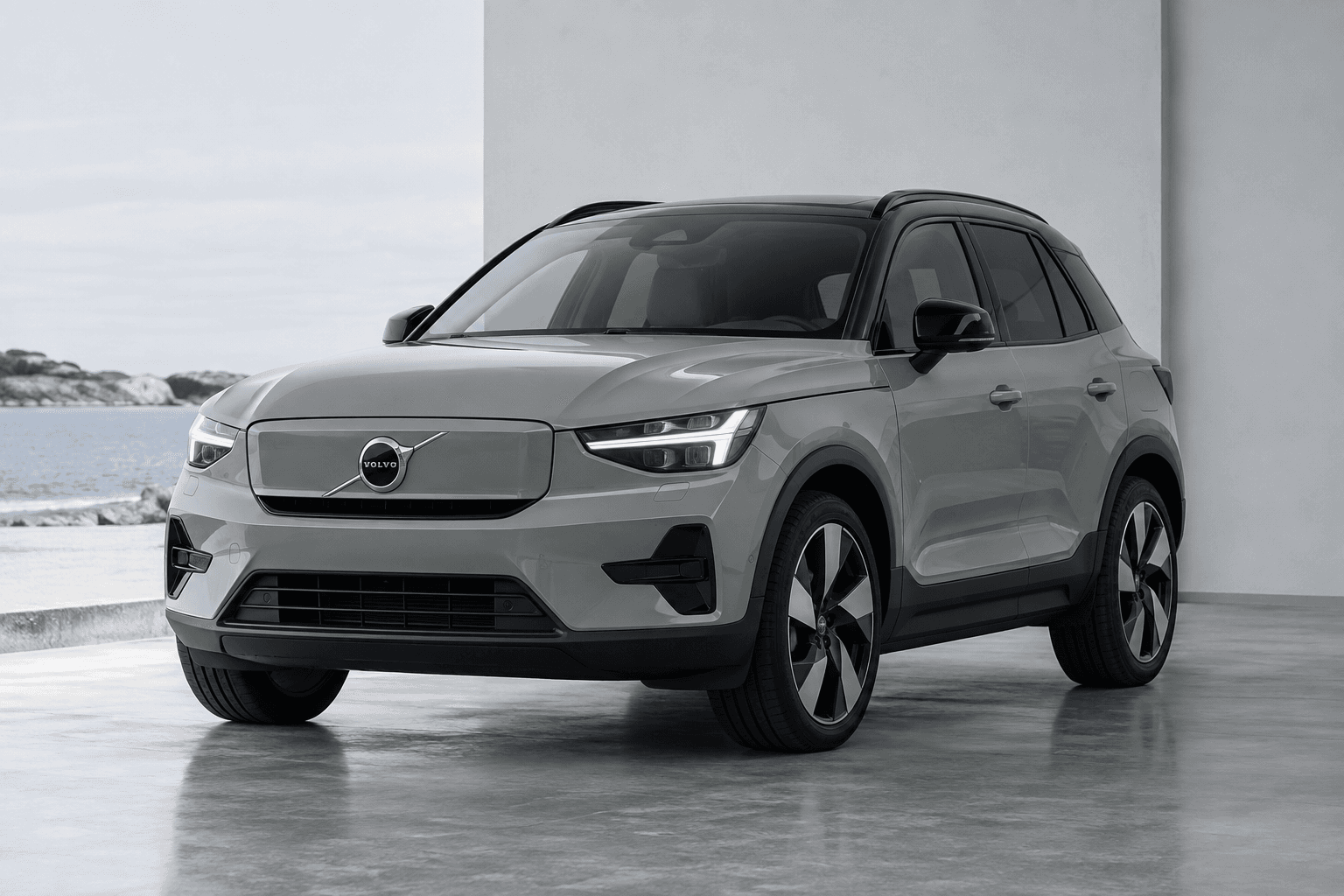
For its 100th anniversary in 2027, Volvo plans to unveil a new design language. Rather than making a radical stylistic break, it will draw on familiar brand features and update them for the modern era.
This does not mean future models will have to look like revivals of historic model lines. Instead, Volvo is likely to place greater emphasis on traditional proportions, clean surfaces, and signature design cues. The aim is to make its cars more recognizable without making modern EVs look artificially dated.
Physical Buttons Are Returning to Volvo Cockpits
The more noticeable change is likely to take place inside. Volvo’s head of design, who has returned from Polestar, wants to rebalance the controls and bring back more physical switches and buttons.
Functions that are needed or displayed at all times should not be hidden exclusively in the touchscreen.
The central screen will remain an important part of the cockpit. It will primarily play to its strengths with flexible content such as navigation, media, vehicle settings, and changing software features.
| Control concept | Suitable functions | Everyday benefit |
|---|---|---|
| Physical buttons | Frequently used and permanently relevant functions | Operation with less time spent looking away from the road |
| Touchscreen | Navigation, media, and context-dependent settings | Flexible display and easy updates |
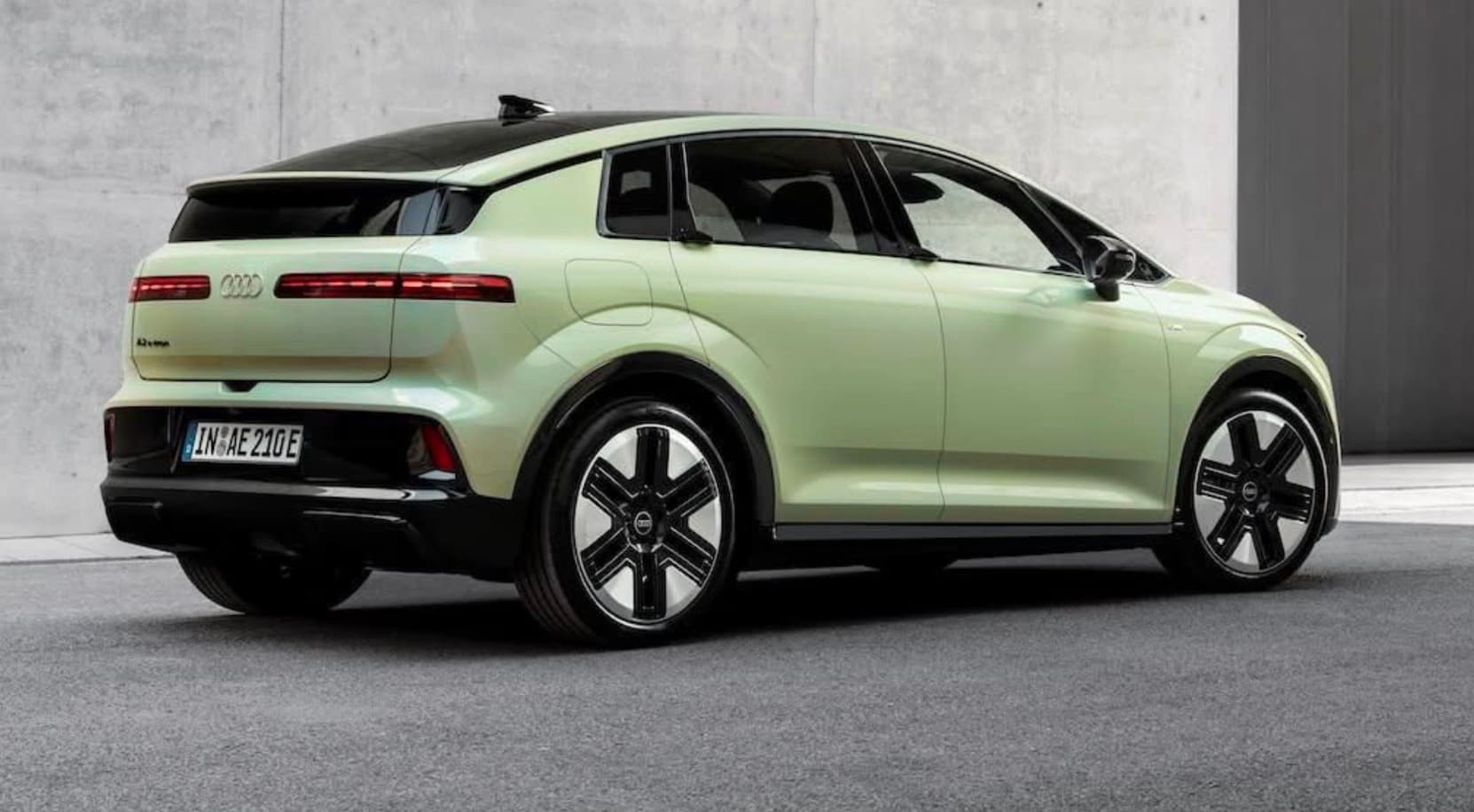
Volvo has not yet specified which functions will receive dedicated buttons. Nevertheless, the guiding principle is clear: touchscreens are flexible, but they are not the best solution for every repeated action. Other manufacturers are also responding to similar feedback, for example with physical buttons in the Audi Q6 and A6 e-tron.
Europe and China Could Get Different Volvos
Volvo is also considering greater regional differentiation in its designs. In the future, a model for Europe could have a different design from the corresponding version for China.
This would not necessarily mean completely different vehicles. Regionally adapted front ends, interiors, or control concepts are conceivable, while the platform and powertrain technology could remain largely identical. This would allow Volvo to cater to local preferences without abandoning its global brand identity.
Up to Six New Volvo Models for Europe
The new design language coincides with a major product offensive. Volvo plans to launch up to six new models in Europe by 2030. One possible addition is the compact Volvo EX50 with 800-volt technology.
A low-slung electric sedan, potentially called the ES60, is also under discussion. However, no technical specifications or final design have yet been confirmed.
The Return of Buttons Is Not a Step Backward
Volvo is not abandoning the digital cockpit; instead, it wants to distribute its functions more sensibly. Frequently used controls could once again be directly accessible, while complex or rarely needed functions would remain on the display.
This combination could prove particularly effective while driving. A clearly identifiable switch that can be operated by touch could reduce distraction, while a modern touchscreen remains indispensable for navigation and connected services. The key question will be whether Volvo implements this approach consistently and without adding new layers of menus.