Electric Citroën 2CV Targets the Entry-Level Segment
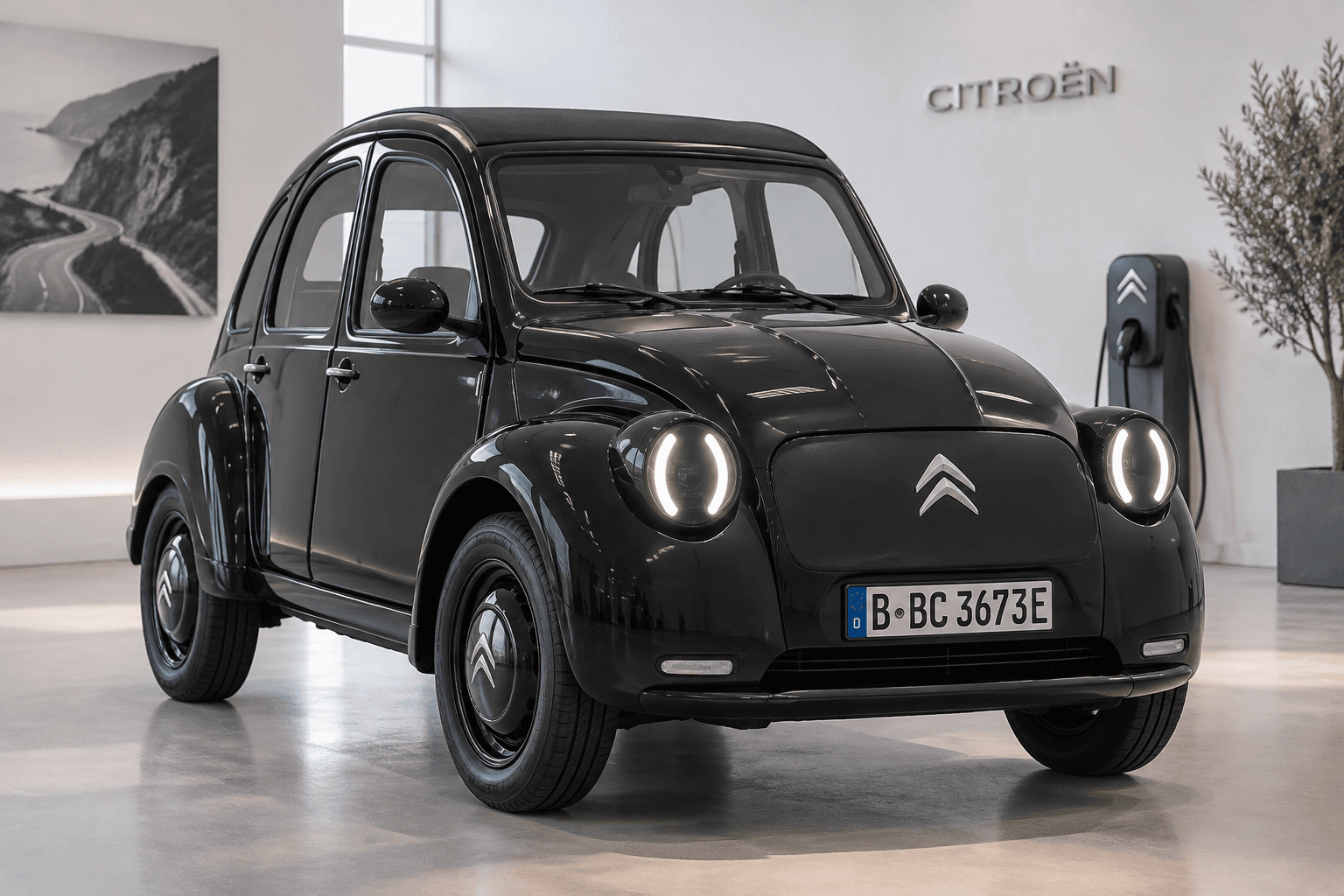
Citroën could bring back its best-known icon as an affordable electric car. The company is reportedly planning a compact EV with retro styling inspired by the 2CV, which is often simply called the Ente (“Duck”) in Germany.
The potential price is particularly ambitious. Citroën is said to be targeting a starting price of approximately €15,000, which would undercut even many announced small electric cars.
An electric 2CV for around €15,000 would be less of a lifestyle model and more of an affordable everyday car for cities and their surrounding areas.
Range and Size Are Deliberately Modest
The electric 2CV is expected to be less than four meters long. This would position it as a nimble city car while also filling the gap left in the lineup by the former Citroën C1.
No record-breaking battery capacity is expected. A range of around 200 to 250 km is being discussed, which should be sufficient for commuting, shopping and regional trips. Small battery → less material use, lower weight and lower production costs.
| Feature | Current Planning Status |
|---|---|
| Target price | around €15,000 |
| Vehicle length | under 4 meters |
| Range | expected to be 200 to 250 km |
| Concept or presentation | possibly in 2026 |
| Start of production | 2028 at the earliest |
These figures should not yet be regarded as final production specifications. Battery capacity, charging power and pricing in particular could change during development.
€15,000 Is a Real Challenge for Citroën
Such a price point is challenging for a European manufacturer. Even basic electric cars require a battery, power electronics, modern safety systems and the driver-assistance technology mandated for new vehicles.
Citroën would therefore have to simplify consistently without compromising practical utility too much. A limited range of variants, moderate motor output and equipment reduced to the essentials are conceivable. It remains unclear whether the targeted €15,000 price could also apply in Germany, Austria and Switzerland.
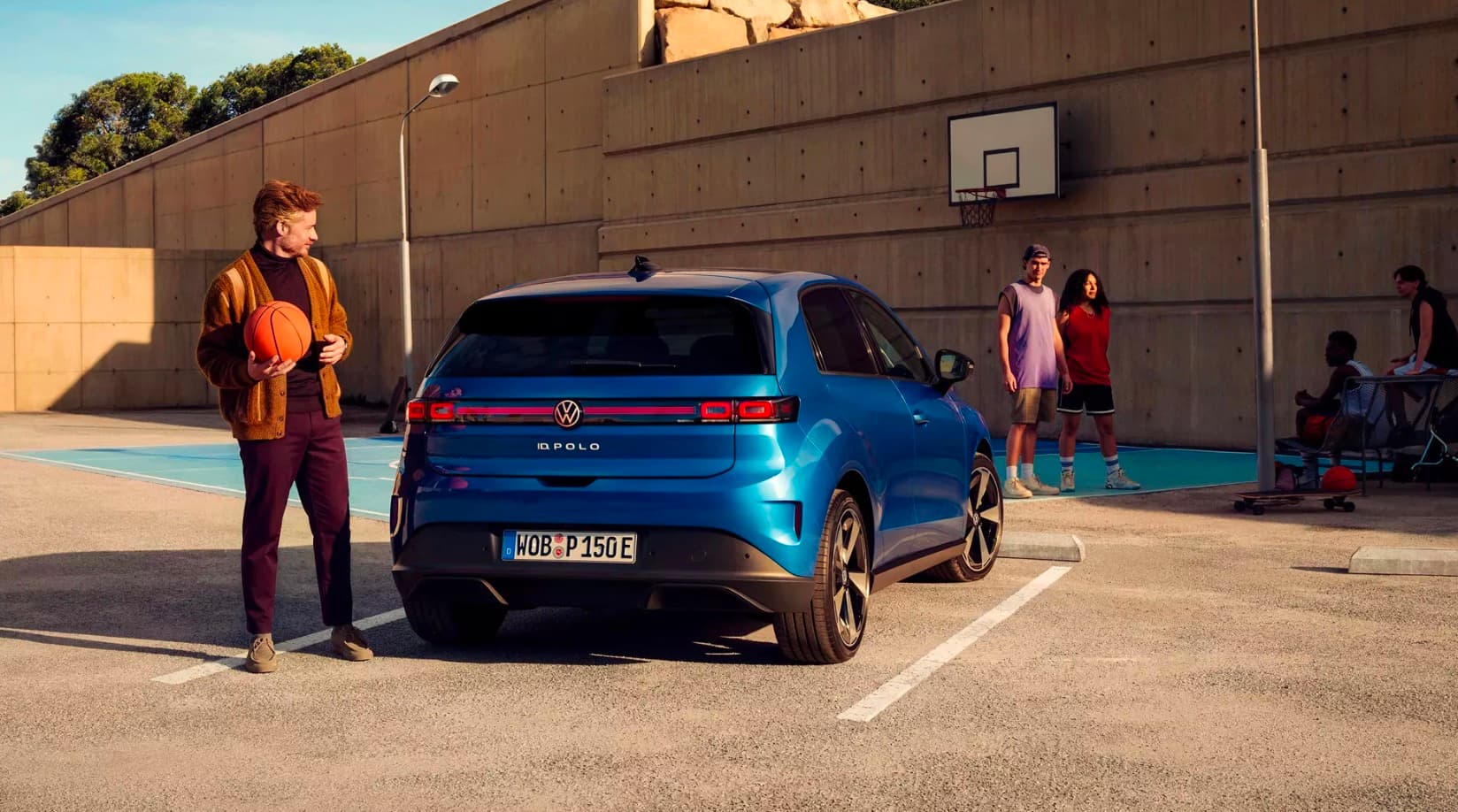
The price would put the EV in direct competition with some particularly affordable models. The next-generation Dacia Spring is also intended to compete as an affordable electric car, while Renault aims to make the Renault 5 more affordable with a smaller LFP battery.
Retro Design Meets a Growing Market
Citroën would not be alone in reviving a historic model line. Renault is already using familiar model names and styling for its new generation of electric cars. Smart is also working on an electric ForTwo comeback with the Smart #2.
For the 2CV, the familiar appearance could help give a very simple vehicle greater emotional appeal. The crucial factor will be whether Citroën does more than merely copy design elements and instead carries over the original idea: low weight, simple technology, sufficient space and low running costs.
Market Launch Likely Not Until the Duck’s 80th Anniversary
A concept or near-production prototype could be unveiled as early as 2026. The finished model is currently expected to arrive in 2028 at the earliest, coinciding with the 80th anniversary of the original Citroën 2CV.
Until then, the project remains subject to uncertainty. However, if Citroën comes close to achieving its target price, the electric 2CV could demonstrate that a new EV does not necessarily have to be large, heavy and expensive.