One Battery, Two Usable Capacities
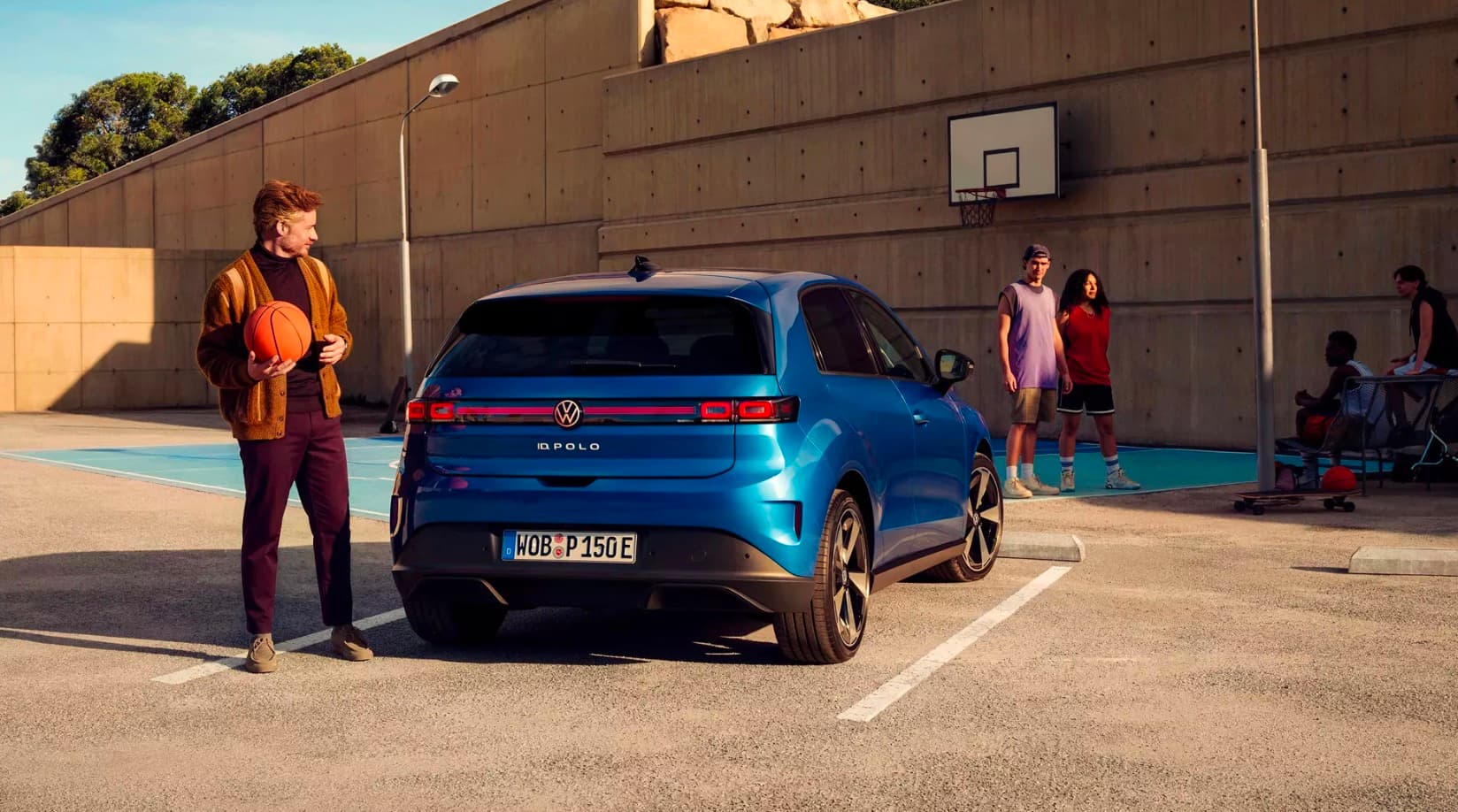
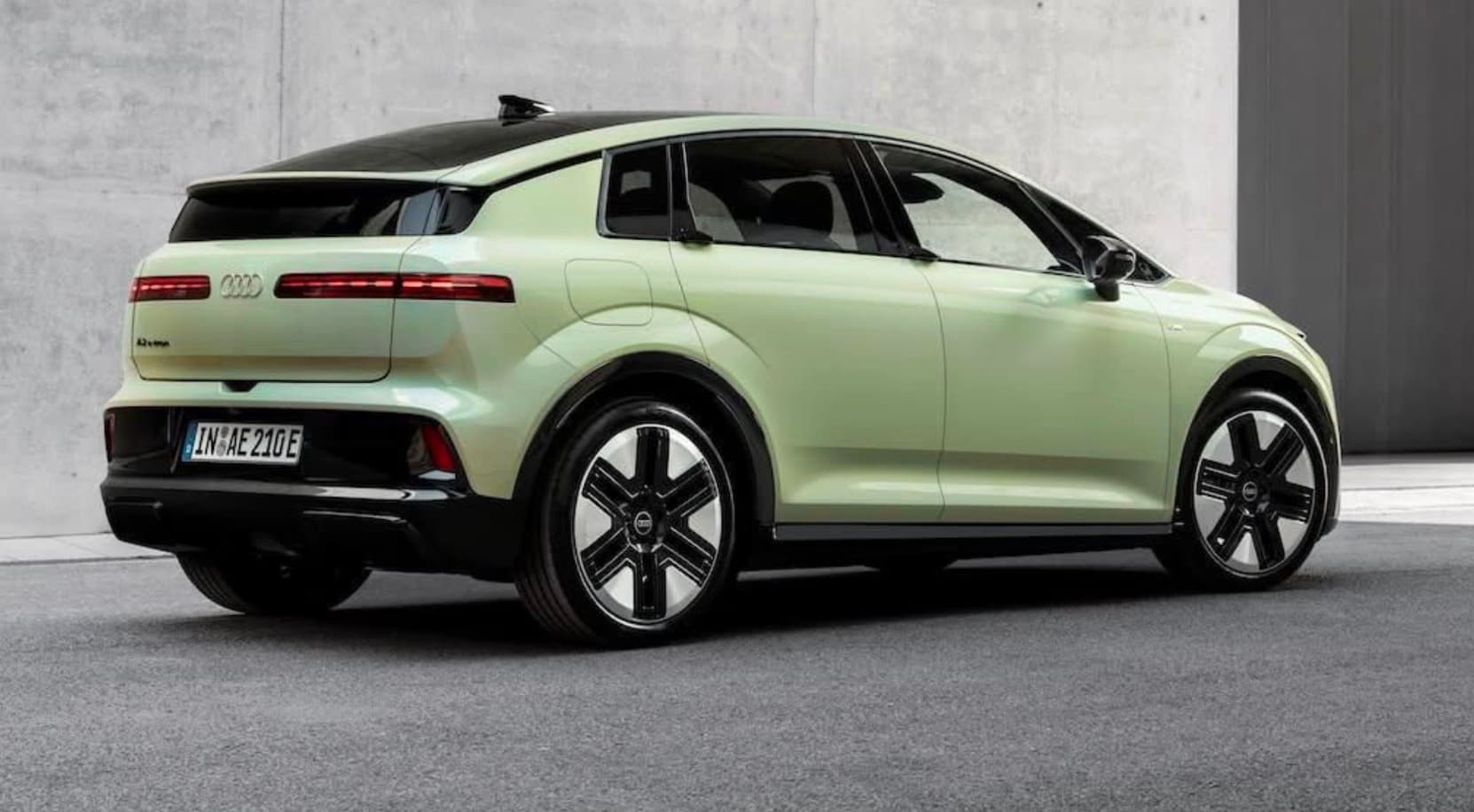
In new compact electric cars from the VW Group, the 50 and 58 kWh battery options are expected to be based partly on the same technical platform. Models affected would include the VW ID.3 Neo and the announced Audi A2 e-tron. With the smaller option, the battery management system would simply make a narrower portion of the available capacity usable.
However, official technical confirmation for all variants is still pending. It is also important to distinguish between total physical capacity and the energy that is actually usable. A car sold as a 50 kWh version would therefore not automatically have an 8 kWh reserve that could be freely accessed.
Software limiting does not mean that owners will automatically be able to unlock the battery’s full capacity later.
Why VW Might Limit a Larger Battery
For the manufacturer, a shared battery platform can significantly simplify production. Fewer different modules, housings, and supply chains reduce complexity. The battery management system then determines which capacity window each model is allowed to use.
This strategy enables several price tiers without requiring a completely separate battery pack to be developed for every variant. Similar software-based distinctions are already common for motor output and equipment. This makes the model range technically efficient, though not necessarily easier for buyers to understand in the configurator.
Potential Benefit for Battery Life
A narrower usable window can keep the cells away from extreme states of charge. An indicated 100% would then not necessarily correspond to the battery’s full electrochemical saturation. Spending less time at these stress limits could reduce aging, particularly if the vehicle is regularly charged to full.
Whether the 50 kWh battery would actually age more slowly in everyday use depends on the exact position of the buffer, the cell chemistry, temperatures, and charging power. A more stable charging curve is also conceivable, but not automatically guaranteed. Long-term comparative data from both variants under similar conditions would be needed to establish this.
The VW ID.3 after 220,000 km demonstrates that modern batteries can remain robust despite high mileage. Technical specifications and available versions of the current model can also be found on our VW ID.3 page.
Price, Power, and Range Compared
For the ID.3 Neo Life mentioned above, upgrading from 50 to 58 kWh is expected to cost just under €3,000. At the same time, the smaller version would be limited not only in usable energy but also in motor output. The figures known so far can be summarized as follows:
| Metric | 50 kWh version | 58 kWh version |
|---|---|---|
| Usable capacity | 50 kWh | 58 kWh |
| Technical battery platform | Reportedly a 58 kWh pack | 58 kWh pack |
| Motor output | around 125 kW | around 140 kW |
| Price difference | Base version | just under €3,000 extra |
| Claimed range advantage | Base version | around 70 to 80 km |
In real-world operation, the range difference is likely to be smaller depending on speed, temperature, and heating use. Around 40 to 60 km appears plausible under everyday conditions, but this is not yet a reliable comparison figure. Only official consumption data and independent tests will show how large the difference really is.
No Hidden Free Upgrade
Even if both variants use the same hardware, buyers should not expect it to be unlocked later. Capacity, charging power, warranty coverage, and vehicle type approval are all part of the configuration sold. Retrospective activation would therefore involve more than simply changing an option in a settings menu.
For customers, what ultimately matters is whether the range and performance suit their driving profile. Drivers who mainly charge as part of their daily routine and rarely travel long distances could manage well with 50 kWh. High-mileage drivers get more usable energy with 58 kWh, but may be paying extra for hardware that is already partly present in the less expensive car.