FAA Restricts Airspace Over SpaceX Test Site
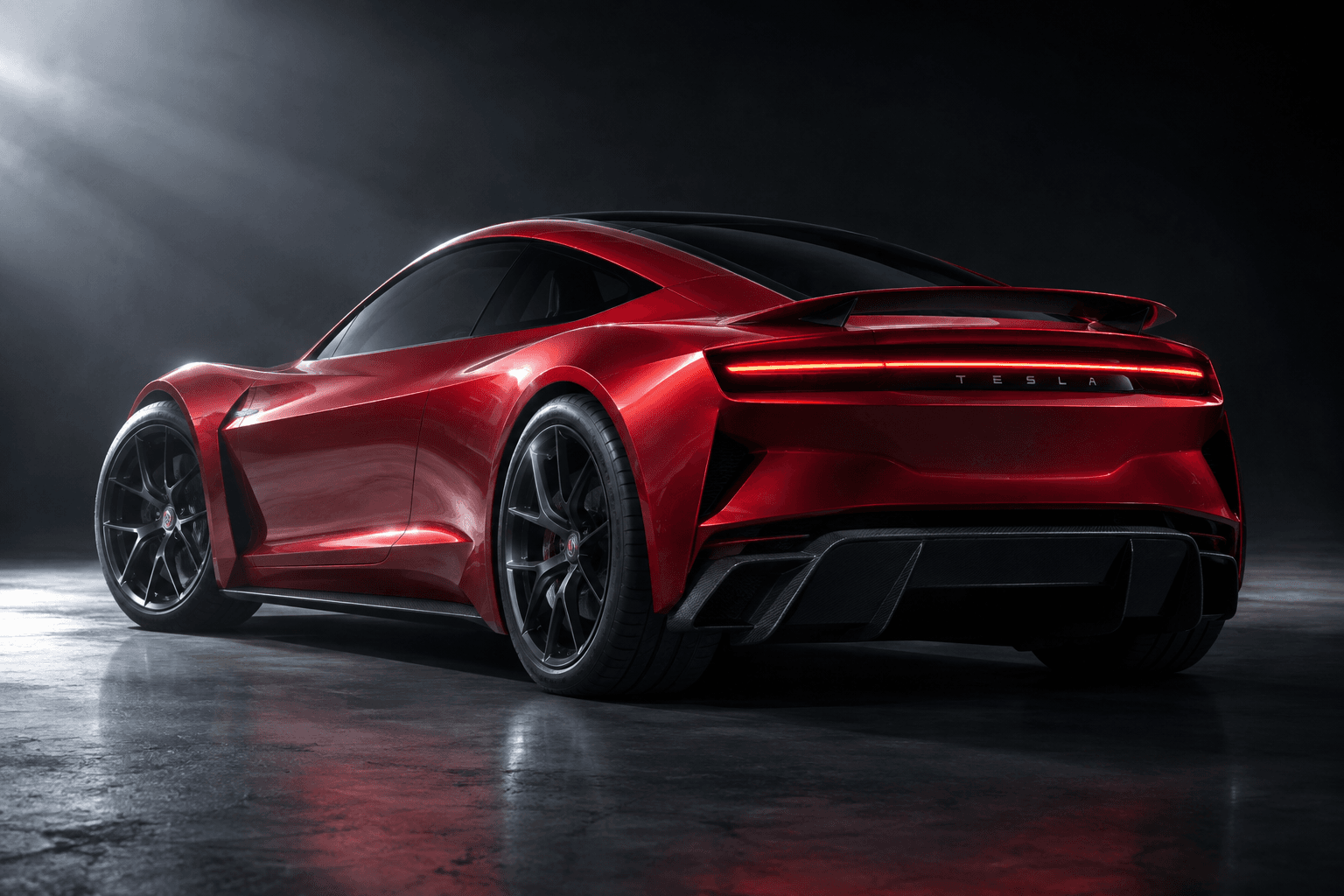
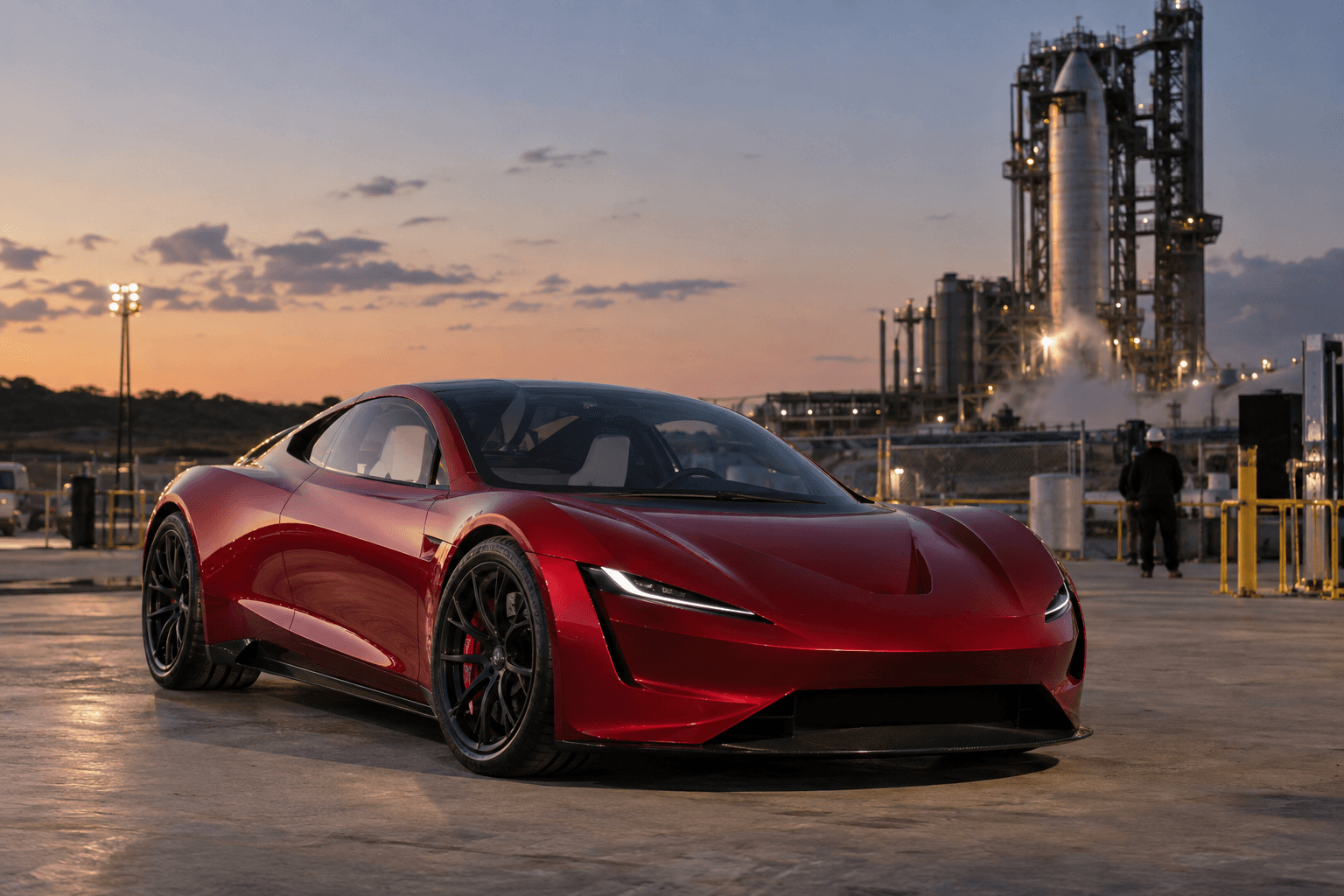
A temporary flight restriction in Texas is attracting attention ahead of the unveiling of the new Tesla Roadster. The US Federal Aviation Administration (FAA) has restricted the airspace over SpaceX’s test site in McGregor from September 18 to October 2, 2026.
The restricted zone covers a radius of around 2.8 km and extends from the ground to an altitude of approximately 3,050 m. Aircraft and drones are generally prohibited from using this area during the specified period.
The timing is particularly significant: Tesla plans to unveil the Roadster in the Waco area on October 1, 2026. SpaceX’s McGregor facility is located only a few kilometers from the Texas city.
The timing is striking, but the FAA restriction confirms neither a flight test nor the use of the announced SpaceX package.
What the Flight Restriction Actually Reveals
| Known detail | Context |
|---|---|
| Period | September 18 to October 2, 2026 |
| Area affected | SpaceX test site in McGregor, Texas |
| Radius | Around 2.8 km |
| Maximum altitude | Approximately 3,050 m |
| Roadster unveiling | October 1, 2026, in the Waco area |
Such restrictions can have several causes. In addition to hazardous testing, they may be intended to prevent unauthorized drone footage and secure an event site. A temporary safety exclusion zone is not inherently unusual at a rocket-engine testing facility.
Nevertheless, the unusual altitude of the restricted zone leaves room for speculation. A conventional acceleration run on a test track would hardly explain why the airspace is restricted up to more than 3,000 m. However, the FAA may simply be applying the SpaceX site’s existing safety standards, regardless of how high a potential demonstration vehicle actually travels.
Roadster With Cold-Gas Thrusters Remains Conceivable
Tesla has previously announced an optional SpaceX package for the upcoming Roadster. High-pressure tanks and cold-gas thrusters are intended to generate additional thrust. Unlike a conventional rocket engine, such a system does not burn fuel but instead expels highly compressed gas.
In theory, the additional thrust could assist acceleration, braking, or cornering performance. Elon Musk has repeatedly suggested a sprint from 0 to 100 km/h in under one second, as well as a brief, controlled jump by the vehicle. So far, however, these remain ambitious claims rather than confirmed specifications for a production car.
Footage of a covered test setup in McGregor has recently intensified the speculation. However, it neither clearly identifies a Tesla Roadster nor reveals what technology was being tested. Even a brief hover at a closed test site would be entirely different, both technically and legally, from a road-legal vehicle offering the same capability.
Why the Technology Would Be Particularly Difficult in Europe
For Germany, Austria, and Switzerland, performance would not be the only consideration. Pressure tanks, thrust nozzles, noise levels, and potential risks to people nearby would have to meet extensive safety requirements. A spectacular demonstration in Texas therefore does not automatically mean that the same technology will later be approved for use on European roads.
There are also practical limitations. A cold-gas system requires installation space and increases the vehicle’s weight, while the available gas supply permits only brief bursts of thrust. Impressive as a demonstration → considerably more complicated in everyday use.
Tesla’s Supercar Arrives After a Long Wait
Tesla first unveiled the next-generation Roadster in 2017. The company subsequently focused on high-volume models such as the Tesla Model 3 and the Tesla Model Y, as well as the start of Cybertruck production.
Following several delays, reservations for the Roadster have now reopened. A refundable deposit of $50,000 is required to secure a place on the waiting list. Firm details about the start of series production, pricing in Germany, Austria, and Switzerland, or European deliveries remain unavailable.
Tesla is likely to stage the unveiling deliberately as a major technology event. Musk recently emphasized that spectators would have to see the vehicle’s capabilities with their own eyes to rule out a manipulated presentation. Whether this means a brief jump, thrust-assisted acceleration, or simply an especially elaborate ground demonstration will become clear on October 1.