Klaus Zellmer to Take Charge of Volvo Cars
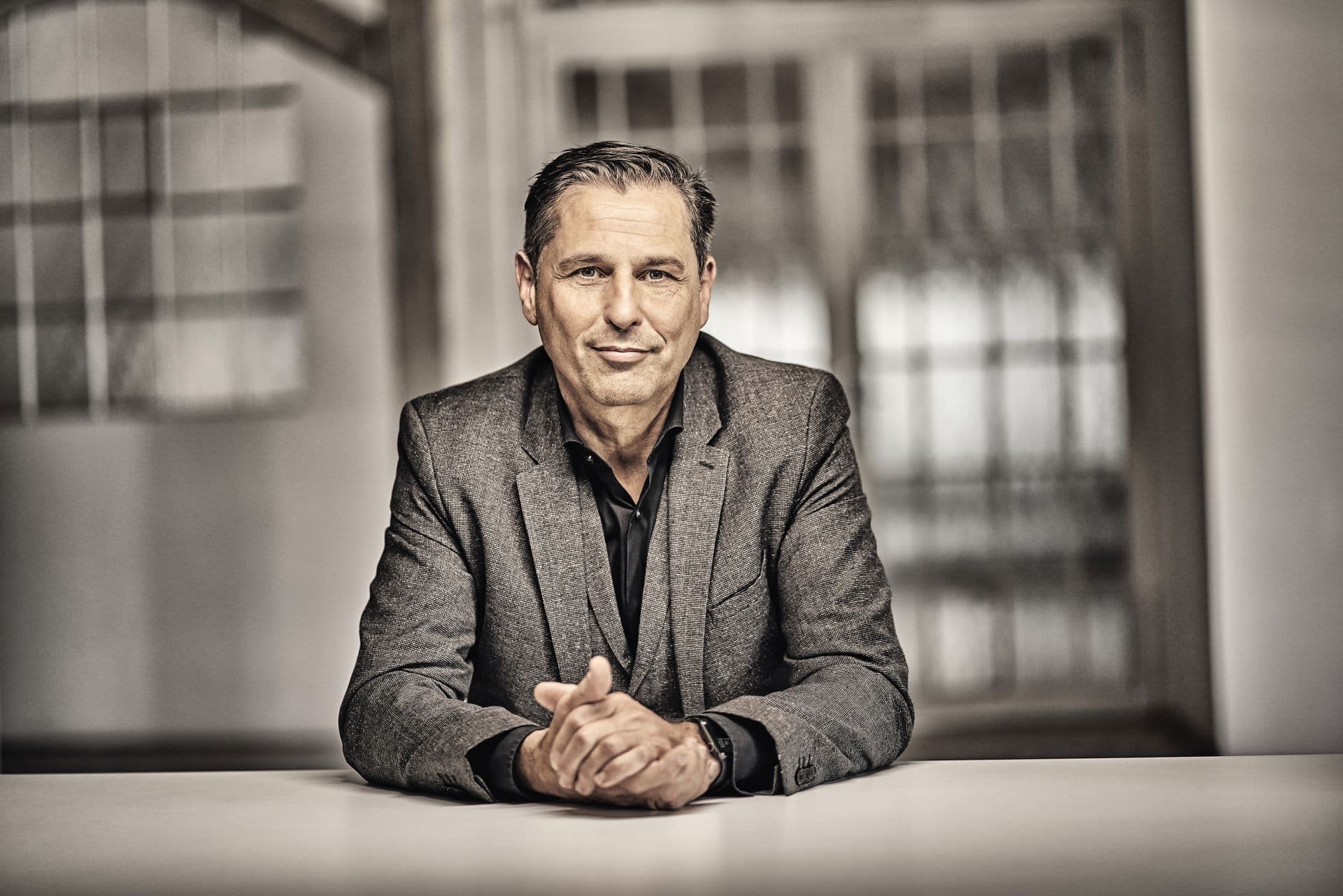
Volvo Cars has settled the long-term succession plan at the top of the group. Klaus Zellmer, currently Chairman of the Board of Management of Škoda Auto, is set to become president and CEO of the Swedish premium manufacturer. He is due to take office by October 1, 2027 at the latest, although he could start earlier.
Until then, Håkan Samuelsson will lead the group through its ongoing realignment. According to current information, his contract ends in April 2027 and will not be extended. If Zellmer does not take over until several months later, Volvo will still need to name an interim solution for that period.
In Zellmer, Volvo is bringing in an executive who has successfully combined profitable volume growth with the electrification of a long-established brand.
Why Zellmer Is an Attractive Choice for Volvo
Zellmer brings experience from a range of market segments. Before joining Škoda, he worked in the premium segment, among other roles, while more recently he led the Czech Volkswagen subsidiary to strong sales and solid margins. This combination suits Volvo, which must command premium prices while significantly improving its cost base.
Under Zellmer’s leadership, Škoda surpassed one million vehicle deliveries in 2025 for the first time in six years. Its performance in the EV business is particularly relevant to Volvo: In the first half of 2026, deliveries of fully electric Škoda models rose by 48.3%.
| Škoda Metric | 2025 | First Half of 2026 |
|---|---|---|
| Deliveries | around 1.04 million | around 556,000 |
| Growth | 12.7% | 9.1% |
| Revenue | €30.1 billion | €16 billion |
| Operating profit | €2.5 billion | €1.4 billion |
| Return on sales | 8.3% | 8.5% |
The Elroq and Škoda Enyaq were key growth drivers. At the same time, the brand is expanding its electric lineup at both the lower and upper ends. These additions include the compact Škoda Epiq and the seven-seat Peaq flagship.
Volvo Is Struggling With Weak Margins and High Costs
Volvo faces a considerably more difficult starting position. Sales fell by 7% to around 710,000 vehicles in 2025, while its adjusted margin stood at 3.5%. In the second quarter, it reached only 1.1%.
In the long term, Volvo is targeting an EBIT margin of at least 8%, but it has not set a specific timetable. U.S. tariffs, high raw-material costs, a partly aging model range, and factories operating below full capacity are weighing on earnings. The company also recorded substantial impairment charges related to the EX90 and ES90 platforms.
Samuelsson therefore already launched an extensive cost-cutting program. Around 3,000 salaried positions were eliminated, spending on external consultants was reduced, and additional structures were streamlined. According to Volvo, it reached its 2026 savings target six months ahead of schedule.
13 New Volvo Models by the End of the Decade
Zellmer will not be starting with a blank strategy document. Volvo plans to launch 13 new models by the end of the decade. Seven are intended for Western markets and will be based on the SPA2 and SPA3 architectures, while another six will be developed specifically for China in partnership with Geely Auto.
Closer cooperation with the Chinese majority owner is intended to reduce the cost of platforms, procurement, and supplier structures. Five plants will remain exclusively dedicated to Volvo, while the brand will share two additional production sites with partners. The current plan does not include any plant closures.
Volvo is also expanding its role within the Geely Group in sales and distribution. From January 2027, the company is set to take over European distribution for Lynk & Co. This will increase not only its organizational responsibilities but also the potential for shared sales structures.
EV Strategy Becomes More Regional and Flexible
In 2024, Volvo had already abandoned its previous goal of offering only electric cars from 2030 onward. Instead of adopting the same powertrain mix worldwide, the manufacturer is now pursuing a regional strategy. The share of EVs is likely to grow more quickly in Europe, while plug-in hybrids will remain important for longer in other markets.
This is not a retreat from electric cars, but a response to major differences in demand, charging infrastructure, and regulation. Volvo aims to roughly double its current global market share of around 1.7% for electric cars and plug-in hybrids. New models such as the announced Volvo EX50 with 800-volt technology could play an important role in achieving that goal.
What Zellmer Must Prove at Volvo
Zellmer’s track record at Škoda makes him a logical choice, but it does not guarantee rapid success. Volvo operates in a fiercely competitive premium segment and must balance high development costs, regional model preferences, and pricing pressure from Chinese manufacturers.
His central task is therefore clear: lower costs → higher margins, without diluting safety, design, or brand identity. If he can achieve that balance, Volvo could benefit substantially from Zellmer’s experience with scalable electric mobility and profitable product strategy.