Tesla Connects Powerwall 2 and Powerwall 3
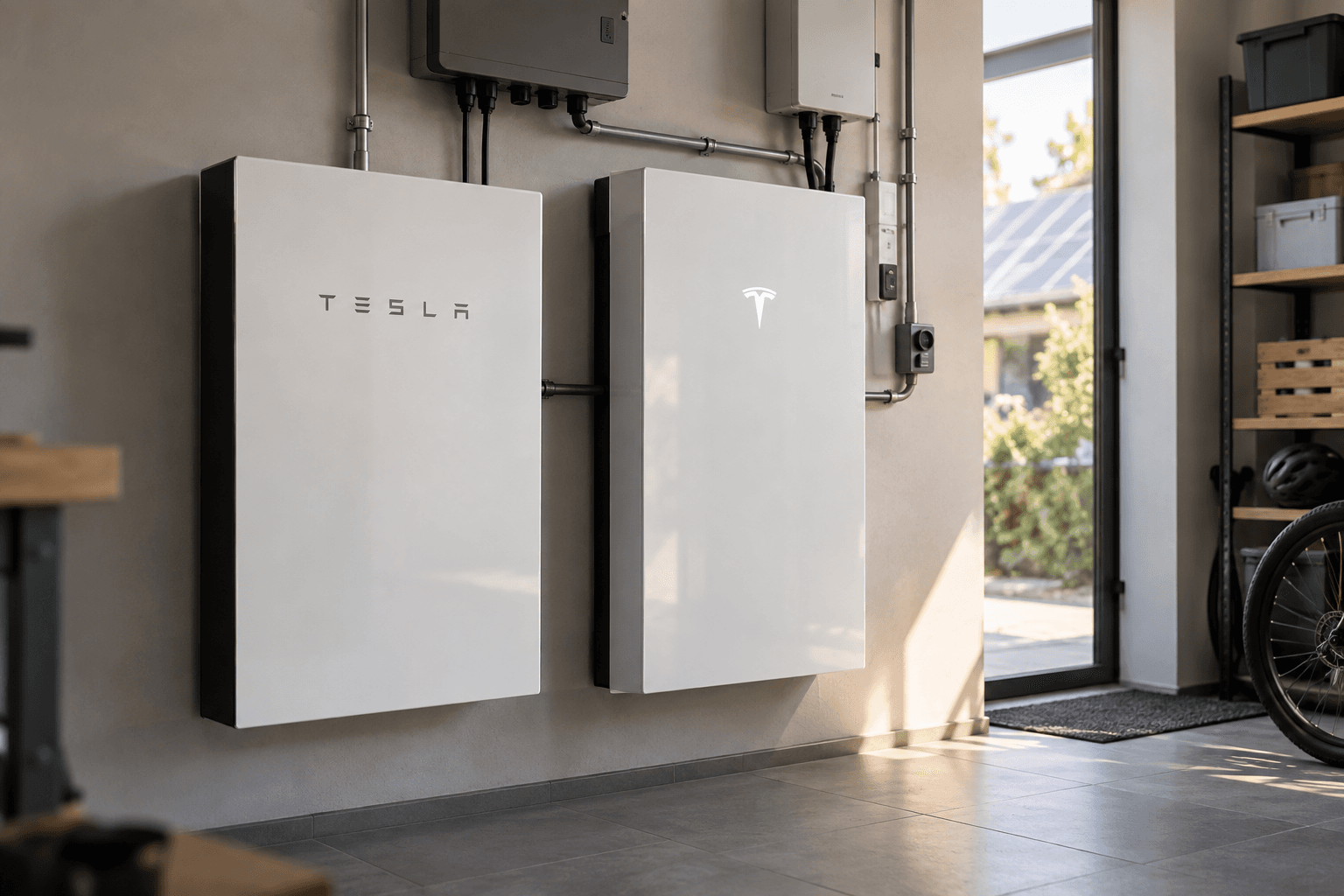
Tesla is removing a major hurdle for owners of older home energy storage systems. Following a software update, an existing Powerwall 2 can now be supplemented with a Powerwall 3 and compatible expansion modules for the first time.
The feature is initially available in North America and Australia. Tesla has not yet confirmed corresponding availability for Germany, Austria, or Switzerland.
What Exactly the Software Update Changes
Until now, households could not simply expand a functioning Powerwall 2 installation with the newer generation. This significantly limited the options for anyone needing additional storage capacity.
Now, both generations can work together within a supported system. This means existing Powerwall 2 units do not necessarily have to be replaced entirely.
Existing storage remains in place → additional capacity can be added using the newer Powerwall generation.
Up to 108 kWh of Storage Capacity
The maximum configuration supported by Tesla combines multiple storage units and expansion modules. When fully expanded, the system provides up to 108 kWh of total usable capacity.
| Component | Maximum Quantity | Role in the System |
|---|---|---|
| Powerwall 2 | 4 | Existing battery storage units |
| Powerwall 3 | 1 | Newer-generation storage unit |
| Powerwall 3 Expansion | 3 | Additional storage capacity |
| Total capacity | Up to 108 kWh | |
Whether such an expansion makes sense and is technically feasible for a particular building depends on the solar installation, grid connection, consumption profile, and regional installation requirements. The update therefore does not replace an assessment by a qualified installer.
More Solar Power for Evenings and Outages
In everyday use, the new compatibility primarily benefits households with growing energy needs. A larger battery can store more surplus solar power, which is then available in the evening, at night, or during periods of low photovoltaic generation.
It can also extend the potential backup duration during a power outage. However, how long a home can actually remain powered depends heavily on whether only essential appliances are running or whether major loads such as a heat pump, air conditioner, and electric vehicle remain active as well.
At the same time, Tesla is extending the practical life of already installed hardware. Instead of replacing a functioning storage unit prematurely, owners can gradually adapt their system to higher electricity consumption.
Powershare with the Cybertruck Remains Separate for Now
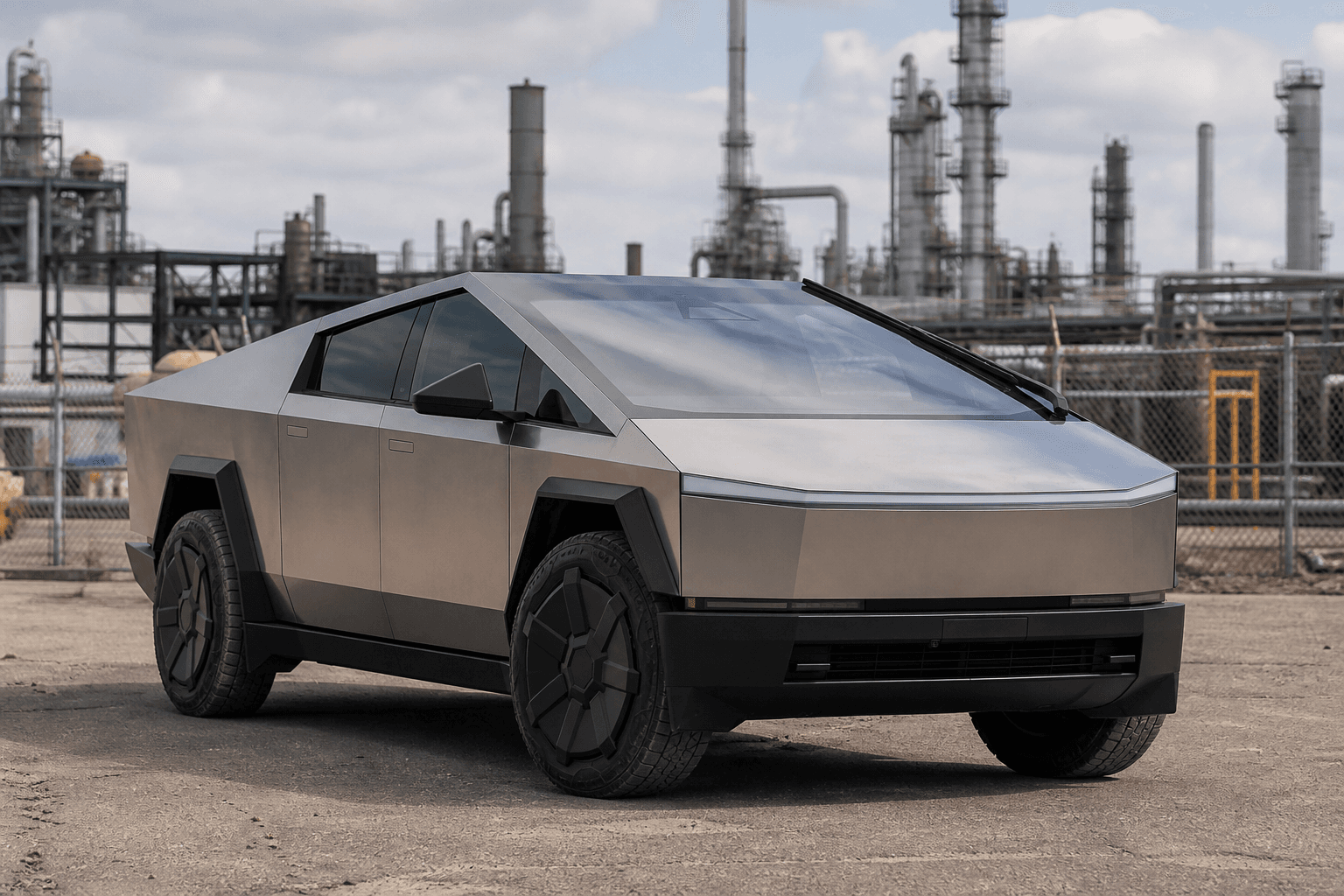
Tesla is also working to integrate its home energy storage systems with Powershare. In North America, a Cybertruck, the required Wall Connector, and a Powerwall 3 can work together to provide backup power to a home during a grid outage.
This feature currently supports only Powerwall 3 systems. Tesla has announced that Powerwall 2 will be integrated at a later date but has not yet provided a specific timeline.
Powershare goes beyond a simple external power outlet. While V2L on the Tesla Model Y can supply power to individual devices, the Cybertruck solution is designed to provide backup power for an entire building. Other manufacturers are also developing comprehensive solutions for bidirectional charging and smart energy management.
Approval in Germany, Austria, and Switzerland Remains Uncertain
From a technical perspective, allowing both Powerwall generations to operate together is a sensible step. Tesla is lowering the barrier to expanding storage capacity while also protecting previous investments in the Powerwall 2.
For customers in Germany, Austria, and Switzerland, however, the key question is whether and when Tesla will approve the mixed configuration in those markets. Different grid connection rules, certifications, and installation requirements could mean that the rollout takes place later or requires an adapted configuration.