Tesla Confirms FSD (Supervised) v14 Lite for Australia and New Zealand
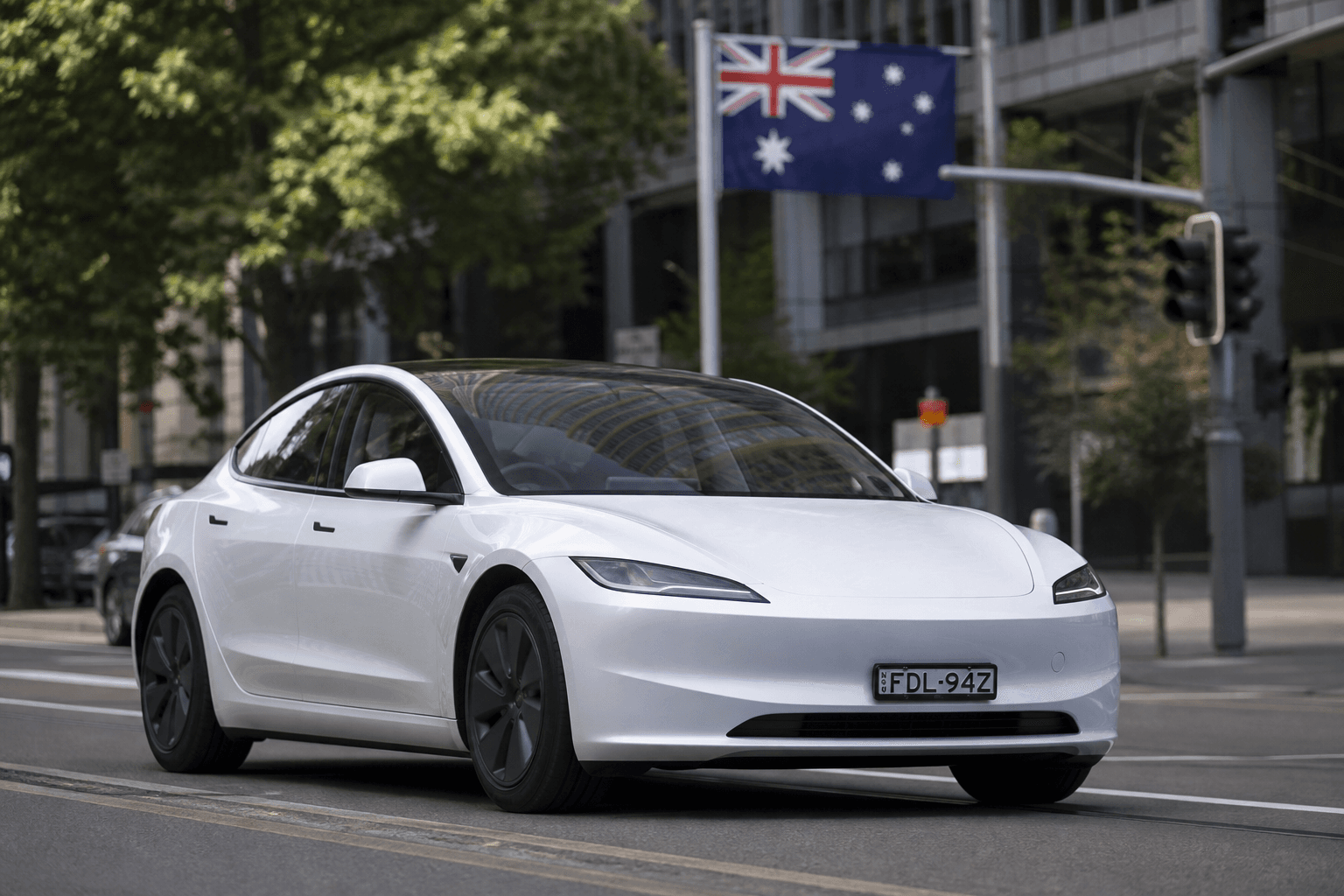
Tesla is making progress on an issue that many drivers in Australia and New Zealand have been waiting on for months: FSD (Supervised) v14 Lite for vehicles with Hardware 3 (HW3). In a direct update to owners in the region, Tesla confirmed that development for Oceania’s right-hand-drive markets is actively underway. At the same time, v14 Lite is already being rolled out in other regions.
Important for the DACH region—Germany, Austria, and Switzerland: This is not a timetable for Europe. However, it is a fairly clear signal that Tesla is continuing to pursue its HW3 strategy with v14 Lite rather than focusing exclusively on HW4.
What Is v14 Lite, and Why Is It Crucial for HW3?
v14 Lite is a compressed version of the current end-to-end FSD software line, which has more headroom on newer computers such as HW4. According to Tesla, HW3 is significantly constrained by memory bandwidth, which means the “full-fat” version of the model cannot run effectively on it. The idea is to compress and optimize the model while retaining as much driving capability as possible.
For HW3 owners, this effectively makes v14 Lite the key bridge: It is intended to deliver modern FSD features within limits that the older computing platform can still handle.
Context: Is v14 Lite the End of the Road for HW3?
Tesla had already made it clear that HW3 is not intended for unsupervised autonomy. It is also understood that newer FSD generations, such as a v15 update currently in the pipeline, are not designed for HW3 based on the information available today. In practice, v14 Lite is therefore very likely the “maximum” Tesla intends to extract from HW3 through software until potential hardware upgrades become available.
Anyone who wants a deeper look at Tesla’s current roadmap for FSD, hardware, and AI can find more context in our article on Tesla FSD v15, HW4, and Optimus.
Why Australia and New Zealand Need Extra Time
It makes technical sense that Tesla cannot simply roll out “the same build” in Australia and New Zealand. Right-hand-drive markets involve more than just placing the steering wheel on the other side; above all, they use left-hand traffic, which creates different expectations for the system’s driving behavior.
There are also regional characteristics such as road markings, multilane roundabouts, and turning situations that must be “learned” and validated differently depending on the country. In short, the neural network must not only be able to drive; it must also perform robustly within local rules and conventions.
Thermal Management and Performance: When the FSD Computer Gets Too Hot
Another issue receiving particular attention with v14 Lite is the thermal load on the HW3 computer. Early fleet observations suggest that HW3 can reach its thermal limits under v14 Lite in isolated cases. This could lead to throttling or more conservative system limits, potentially impairing everyday performance.
Especially in Australia, where summer heat inside a vehicle is a genuine stress test, it makes sense to assess safety and efficiency together. Safe driving alone is not enough if the computer cannot operate reliably after an extended journey in warm conditions.
And Europe: When Will v14 Lite for Right-Hand-Drive Cars and Left-Hand Traffic Arrive Here?
For Europe, this is indirectly good news, but there is still nothing concrete. Tesla is speaking explicitly about Australia and New Zealand, while European HW3 drivers continue to wait for an official timetable. Nevertheless, any confirmed localization work for left-hand traffic indicates that Tesla is taking the necessary adaptations seriously and will roll them out once its internal benchmarks have been met.
If you are also interested in how Tesla can make FSD on HW3 even “smaller” and more efficient, our background article on “distilled” FSD models on Tesla HW4 is also relevant.
What This Means for Tesla Drivers in Everyday Use
For owners of older Teslas equipped with HW3, the confirmation is above all a sign of life with a clear direction. v14 Lite remains Tesla’s approach to taking FSD (Supervised) as far as possible on HW3, even if the biggest advances are more likely to happen on HW4.
For anyone already driving a Tesla in Europe and thinking more broadly about the limitations of and expectations for driver-assistance systems, our guide to EV range anxiety covers a different topic but addresses the same issue in everyday use. Technology only delivers genuine convenience when it works reliably and predictably.