Slovenia opens its roads to Tesla FSD
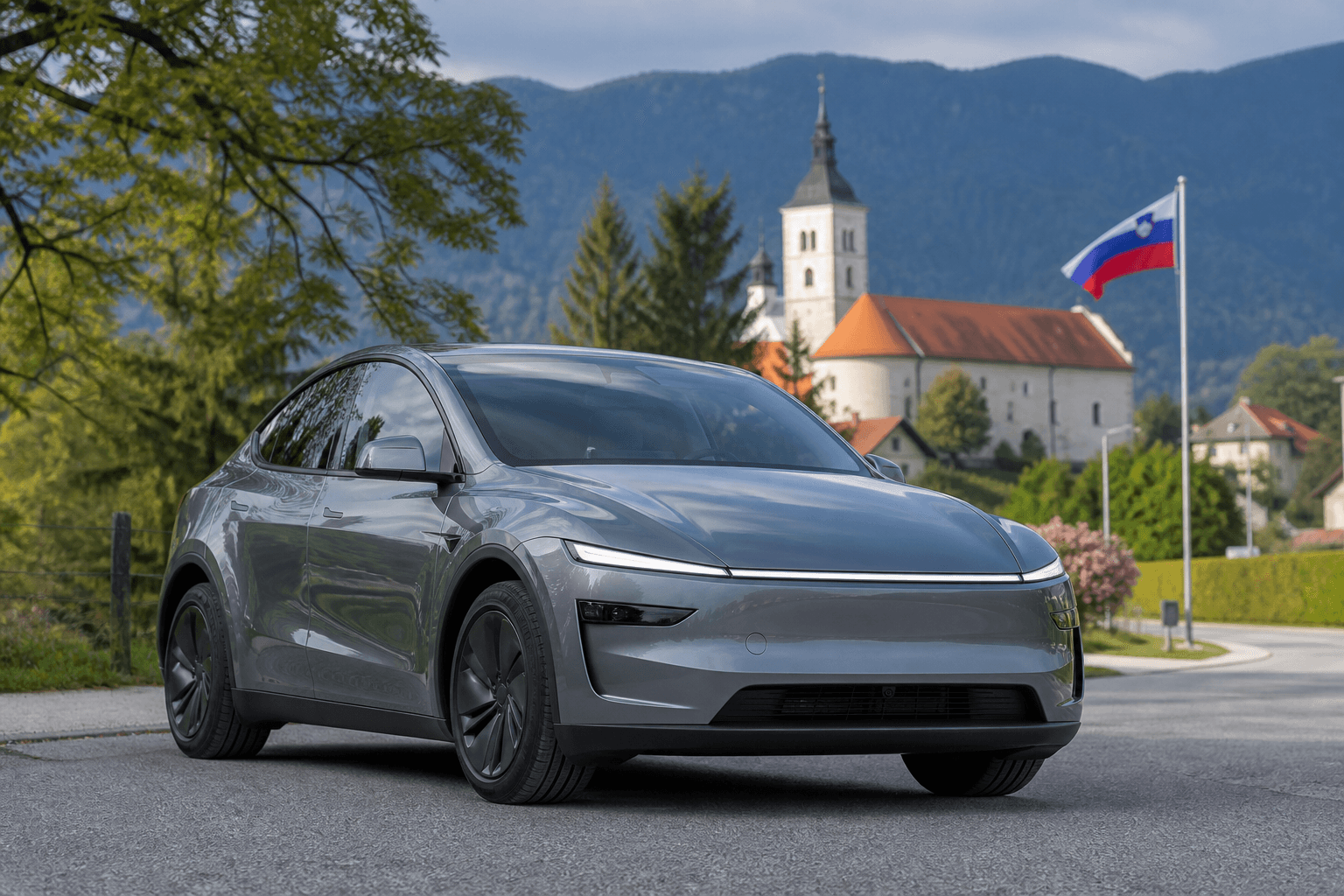
Tesla has received regulatory approval for FSD (Supervised) in Slovenia. According to the company, the rollout in the Central European country is set to begin shortly.
This brings the number of European markets where the system has been approved to six. It is an important step for Tesla, as Europe’s patchwork of approval procedures and national regulations is considered one of the biggest obstacles to a broad FSD launch.
Each additional national approval provides Tesla with more real-world data and strengthens its case for a broader European rollout.
European countries where FSD has been approved
The Netherlands was the first. According to Tesla, the system covered around 10 million km on public roads there within a short period. Some of this validation data was subsequently also used in approval procedures in other countries.
| Country | Status and notable details |
|---|---|
| Netherlands | First European approval, with an extensive dataset from real-world road use |
| Lithuania | Approval incorporating Dutch validation data |
| Estonia | Approval following a procedure similar to Lithuania’s |
| Belgium | Approval following mandatory road tests covering 5,000 km |
| Denmark | National authorization for use of the driver-assistance system |
| Slovenia | Approval granted, with rollout set to begin shortly |
FSD (Supervised) remains a driver-assistance system
The name Full Self-Driving suggests more than its legal status permits. FSD (Supervised) is a driver-assistance system that requires constant supervision: the person behind the wheel must remain attentive at all times and intervene immediately when necessary.
Approval therefore does not mean unsupervised autonomous driving or robotaxi operations across Europe. Even with future versions such as Tesla FSD v15 on Hardware 4, the decisive factor will remain which functions regulators actually authorize in each market.
In everyday driving, the system can assist with functions including lane guidance, turns, and more complex traffic situations. However, the exact range of features may vary depending on the software version, vehicle hardware, and national regulations.
What the approval means for Germany, Austria, and Switzerland
For Germany and Austria, Slovenia’s decision is a positive signal, but it does not automatically open the door. National approvals and European regulations must still work together before Tesla can activate the software on a broad scale.
Switzerland is also not a member of the European Union and follows its own approval procedures. A potential EU-wide decision could serve as a reference there, but it would not replace a national review.
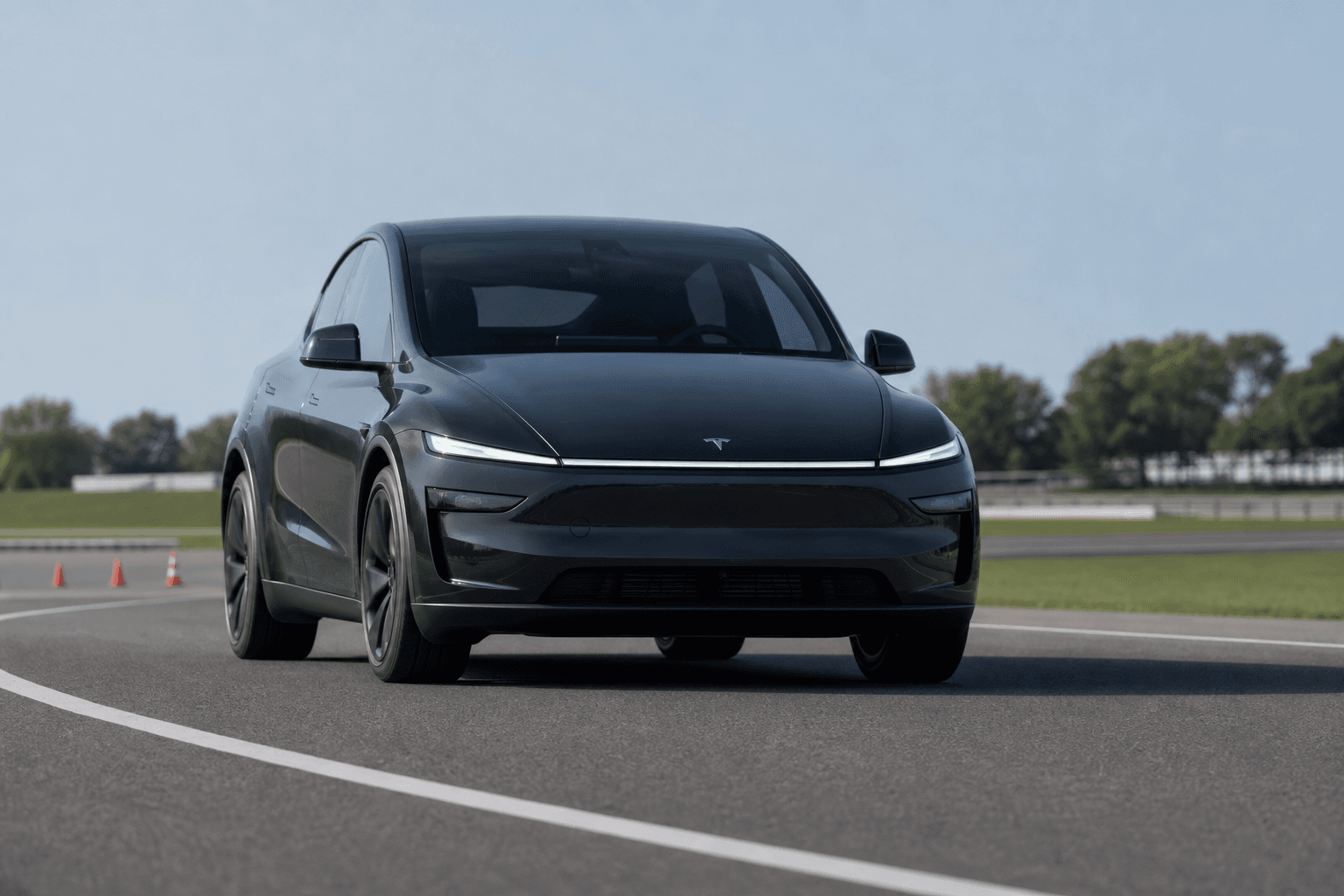
A broader rollout would be particularly relevant for the widely used Tesla Model 3 and Tesla Model Y in Europe. Whether and when individual vehicles receive the features will also depend on their installed hardware.
Further testing does not yet guarantee an EU majority
France is also taking a closer look at the system and, according to the available information, is testing FSD with two vehicles. This indicates growing regulatory openness, but it does not yet support any reliable conclusions about a future decision.
In particular, the six national approvals secured so far do not guarantee a majority in any potential vote at the European level. The only certainty is that Tesla is expanding its real-world dataset and can increasingly demonstrate how FSD performs under different European traffic conditions.
Slovenia brings Tesla closer to a broad rollout
Approval in Slovenia is not a Europe-wide breakthrough, but it is another measurable step forward. Tesla is apparently pursuing a gradual strategy: meet local requirements, collect driving data, and use that experience in further approval procedures.
The more countries accept the system after conducting their own reviews, the stronger Tesla’s position becomes with European regulators. Drivers in Germany, Austria, and Switzerland will nevertheless need to remain patient until specific approvals and a binding timetable are in place.