Tesla hints at European launch for the Cybercab
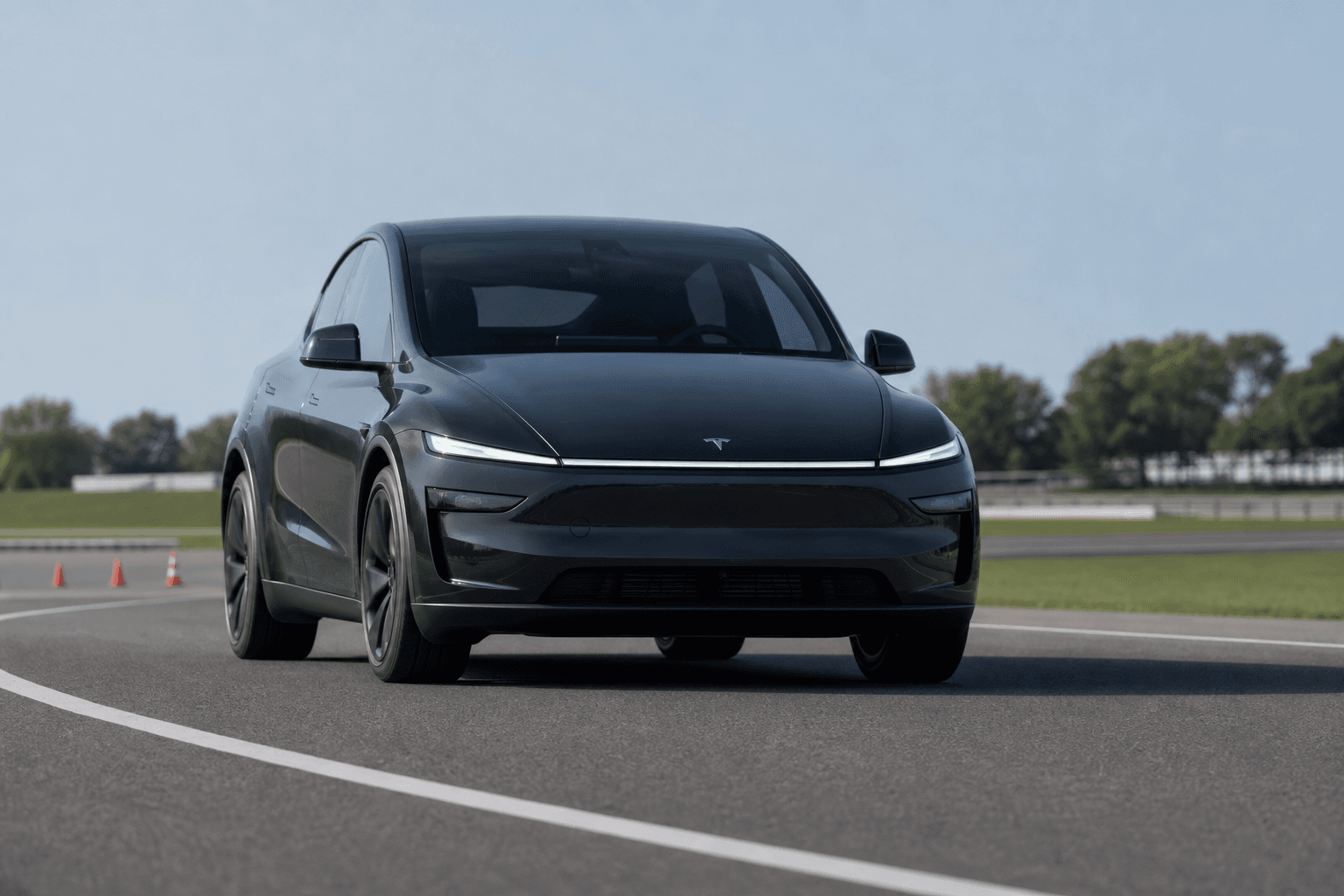
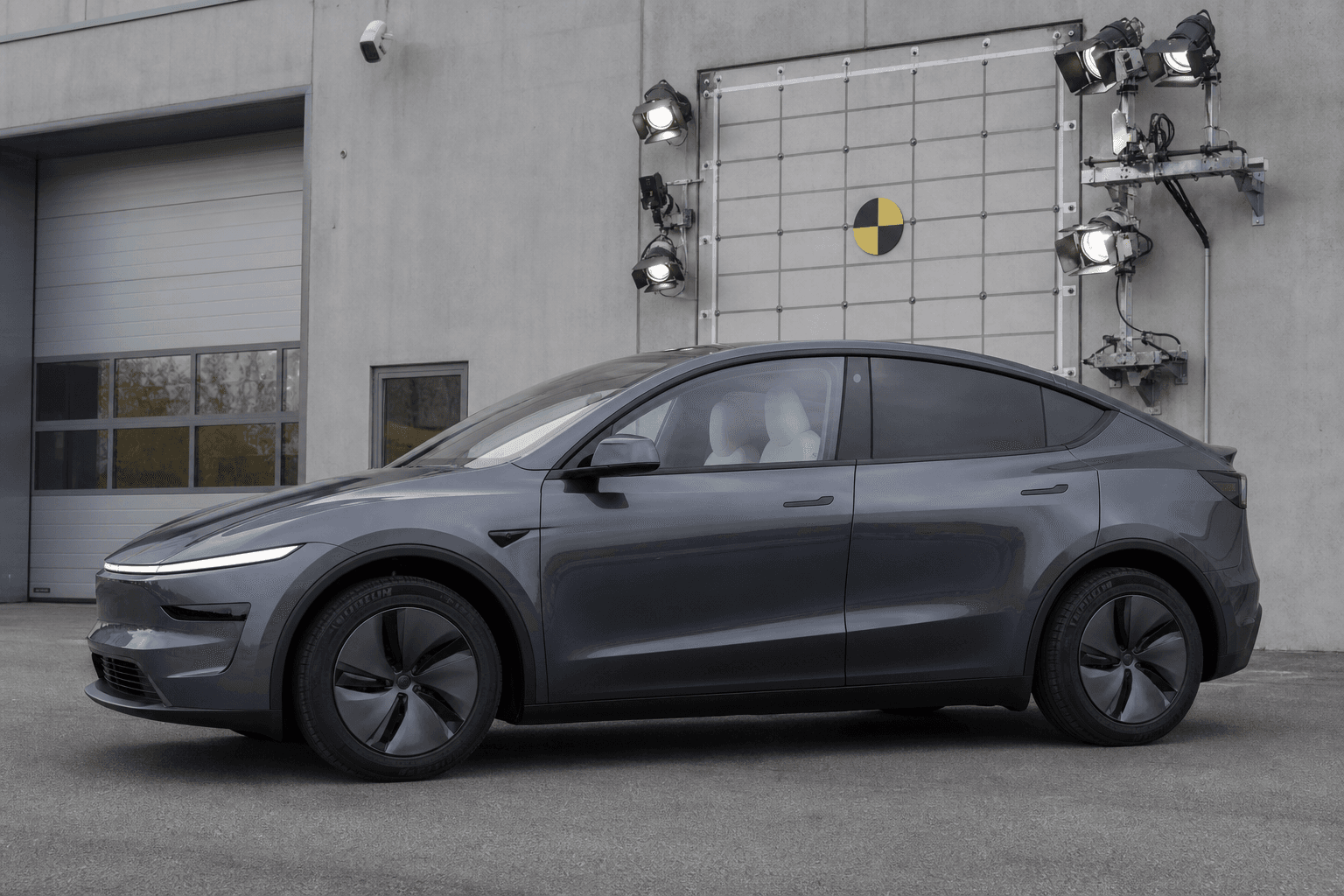
The Tesla Cybercab could eventually carry passengers on European roads as well. Responding to a request for a timely launch in the European Union, Elon Musk briefly said that he hoped it would happen soon.
This does not yet amount to an official announcement. There is no timeline, nor are there any details about potential pilot cities, production volumes or approval procedures. Nevertheless, the statement shows that Tesla does not view the Cybercab as a US-only project.
Musk’s response signals a strategic intention, but does not yet confirm a European market launch.
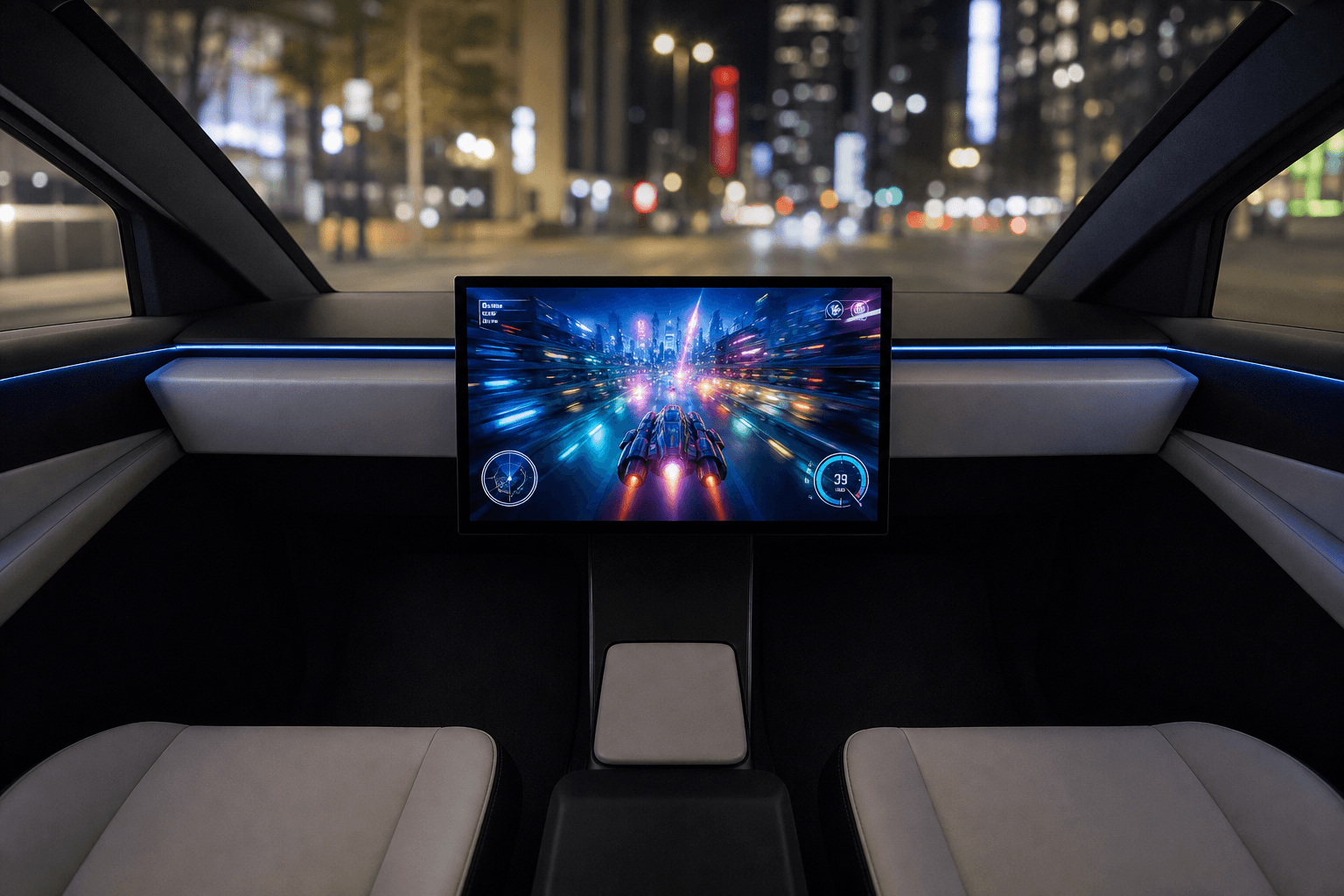
In Austin, Tesla has begun its first commercial rides with the two-seater developed specifically for autonomous services. The vehicle has neither a conventional steering wheel nor pedals, making it more purpose-built for robotaxi use than a converted production model.
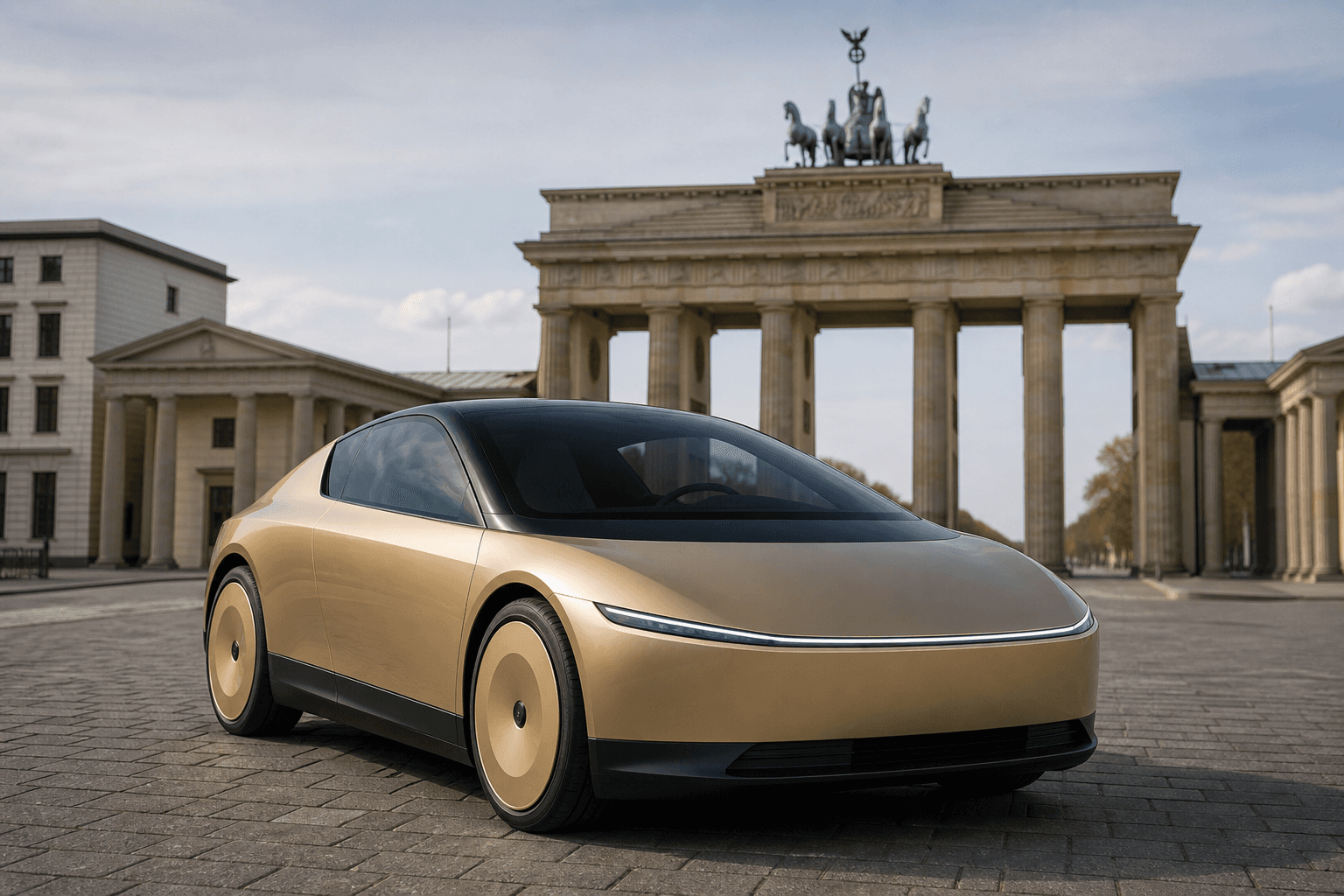
Germany would be the logical first market
Gigafactory Berlin in Grünheide is a particularly strong argument for a European launch. Musk has previously described the Cybercab as a possible next major production step for Tesla’s German site.
Tesla has also applied for permits for additional construction projects and an expanded rail hub at the plant. In the long term, a new factory building could provide space for the modular Unboxed manufacturing process, which is expected to play an important role in Cybercab production. However, the applications alone do not indicate that a production decision has been confirmed.
The Unboxed method differs from a conventional assembly line. Large sections of the vehicle are manufactured in parallel and joined together later. This is intended to shorten transport routes, reduce space requirements and enable faster scaling.
How a German pilot could work
- Set up small-scale pre-series production in Grünheide.
- Conduct validation drives on public roads and closed courses.
- Operate internal ride services for employees around the plant.
- Launch a limited public robotaxi service within a defined area.
This sequence would be technically and legally plausible, but Tesla has not confirmed it. A vehicle without manual controls in particular requires considerably more than standard road approval before it can enter commercial service.
Approval will be the biggest hurdle
In Europe, Tesla’s FSD software and broader autonomy roadmap have so far focused primarily on supervised driver-assistance features. A robotaxi without a steering wheel or pedals falls into a different legal category because no driver can take over immediately.
| Area | Challenge | Impact |
|---|---|---|
| Vehicle approval | No conventional controls | New approvals or exemptions required |
| Autonomous software | Driverless operation instead of supervised assistance | Extensive safety evidence required |
| Operating area | Different roads and local regulations | Launch likely to be restricted to clearly defined zones |
| Robotaxi service | Liability, remote assistance and passenger protection | Additional operator approvals required |
Germany already has a legal framework for Level 4 autonomous driving within designated operating areas. This facilitates pilot projects, but does not replace the specific approval required for the vehicle, software and area of operation.
For Austria, European requirements and national operating rules would likewise be decisive. Switzerland is not an EU member and would require its own approval process. A launch in Germany would therefore not automatically lead to a rapid rollout across the wider German-speaking DACH region of Germany, Austria and Switzerland.
Europe is likely to see small robotaxi zones first
Even if technical approval is granted soon, a nationwide service should not be expected. A geofenced operation within a manageable area, featuring well-mapped roads, clearly defined weather limits and continuous remote assistance, would be more likely.
This cautious approach would not be unique to Tesla. Other manufacturers are also developing systems for highly automated driving maneuvers, as demonstrated by the autonomous ferry maneuver performed by Xpeng VLA 2.0. The crucial question is always whether a system can do more than impress technically and consistently meet local safety requirements.
Musk’s statement makes a European Cybercab launch more likely, but it still cannot be planned for. Production in Grünheide, local test drives and a limited German pilot would be the logical steps. Until Tesla names specific applications, cities or dates, the Cybercab remains a serious prospect for Europe rather than a confirmed market launch.