Porsche Rejects Reports of a New Round of Cuts
Porsche is not planning to cut an additional 4,000 jobs. CEO Michael Leiters rejected the speculation in an internal communication while reaffirming the restructuring package that has already been agreed.
This provides for the elimination of 5,000 jobs by 2035. The scope was negotiated with employee representatives and approved by Porsche AG’s supervisory board. The company is also maintaining its forecast for the current fiscal year and its medium-term targets.
The agreed restructuring package covering 5,000 jobs remains the benchmark. According to Porsche, no further 4,000 job cuts are planned.
Which Workforce Measures Are Under Consideration
The figures currently being discussed relate to different programs and should not be added together without considering their respective status. Porsche draws a clear distinction between previous measures, the long-term restructuring package and the figure it has now denied.
| Measure | Scale | Status |
|---|---|---|
| Previous adjustment | 3,900 jobs | Already initiated |
| Restructuring package through 2035 | 5,000 jobs | Agreed with employee representatives |
| Speculated additional cuts | 4,000 jobs | Denied by Porsche |
The denial therefore ends, at least for now, the specific debate about a short-term expansion of the cost-cutting program. However, it does not eliminate the underlying economic pressures facing Porsche.
China, US Tariffs and High Transformation Costs
One trigger for the renewed uncertainty was a profit warning from the Volkswagen Group. An impairment of its stake in Porsche amounting to around €6 billion played an important role. However, such an accounting adjustment does not automatically mean that Porsche AG has approved a new job-cutting program.
Operationally, the sports car manufacturer is contending with several challenges. These include higher US import tariffs, significantly weaker sales in China and high expenditure on realigning its model portfolio. For the third quarter of 2025, operating profit was reported to have fallen from €4.035 billion to just €40 million.
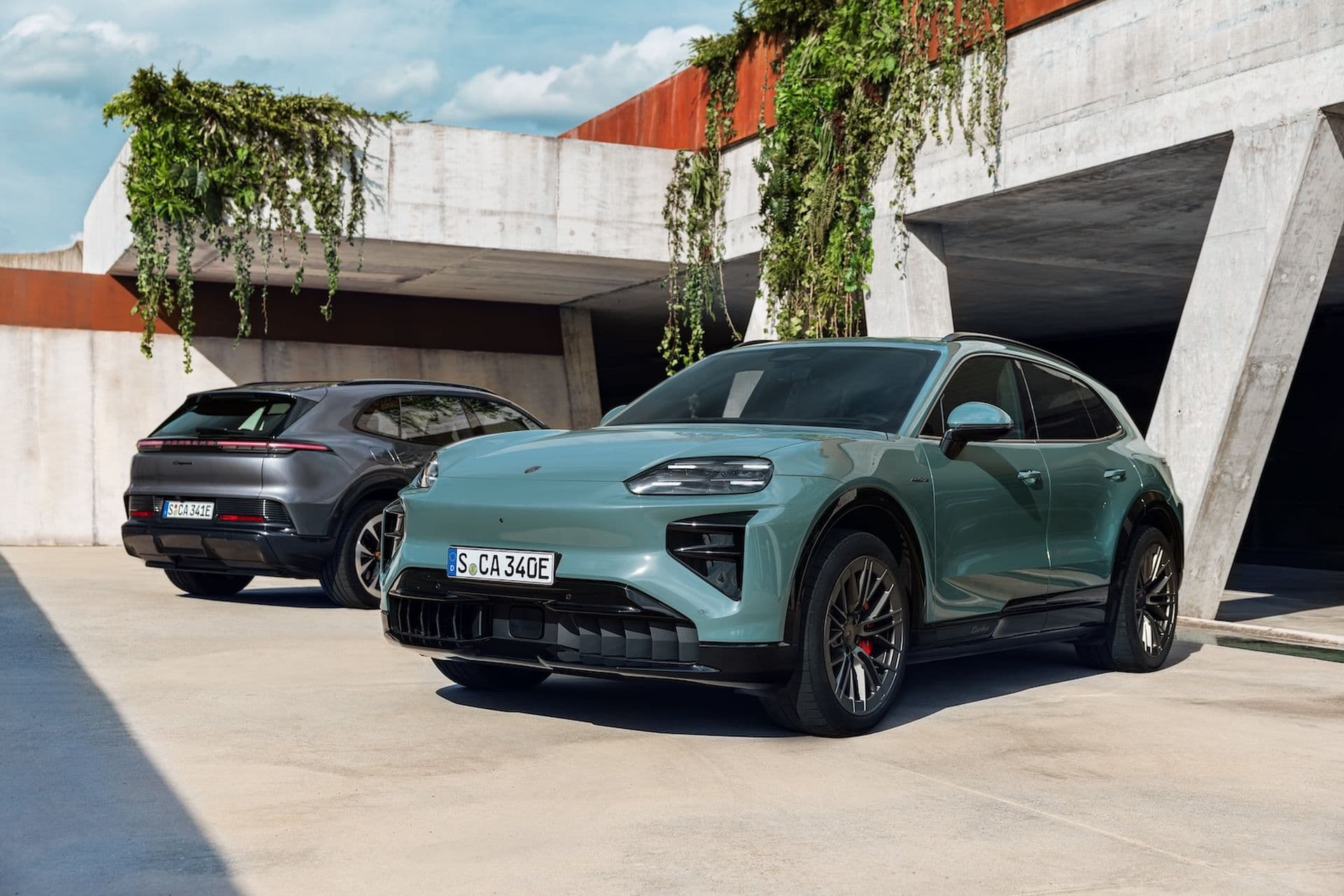
The transition to electric mobility also requires substantial upfront investment. With the Porsche Taycan and the electric Porsche Macan, Porsche already has key electric models, but it must carefully balance development costs, production capacity and actual demand.
Lower Volumes Intended to Safeguard Profitability
On October 7, 2026, Porsche plans to present its strategy, named Sports Car Forge 2035, at a capital markets day at its Weissach development center. The focus is likely to be on lower production volumes, combined with more stable margins and a stronger emphasis on particularly profitable models.
For China, Leiters has already indicated that Porsche will target lower volumes aimed at enthusiasts in the future. This means a significantly smaller business in which Porsche no longer chases every percentage point of lost market share, instead prioritizing exclusivity and profitability.
Nevertheless, such a strategy could put pressure on plants, suppliers and dealers. The current denial is therefore an important clarification, but it does not signal an all-clear for the entire value chain. The decisive factor will be how Porsche balances its model lineup, electric mobility and regional production costs in the years ahead.