Polestar loses US approval from the 2027 model year
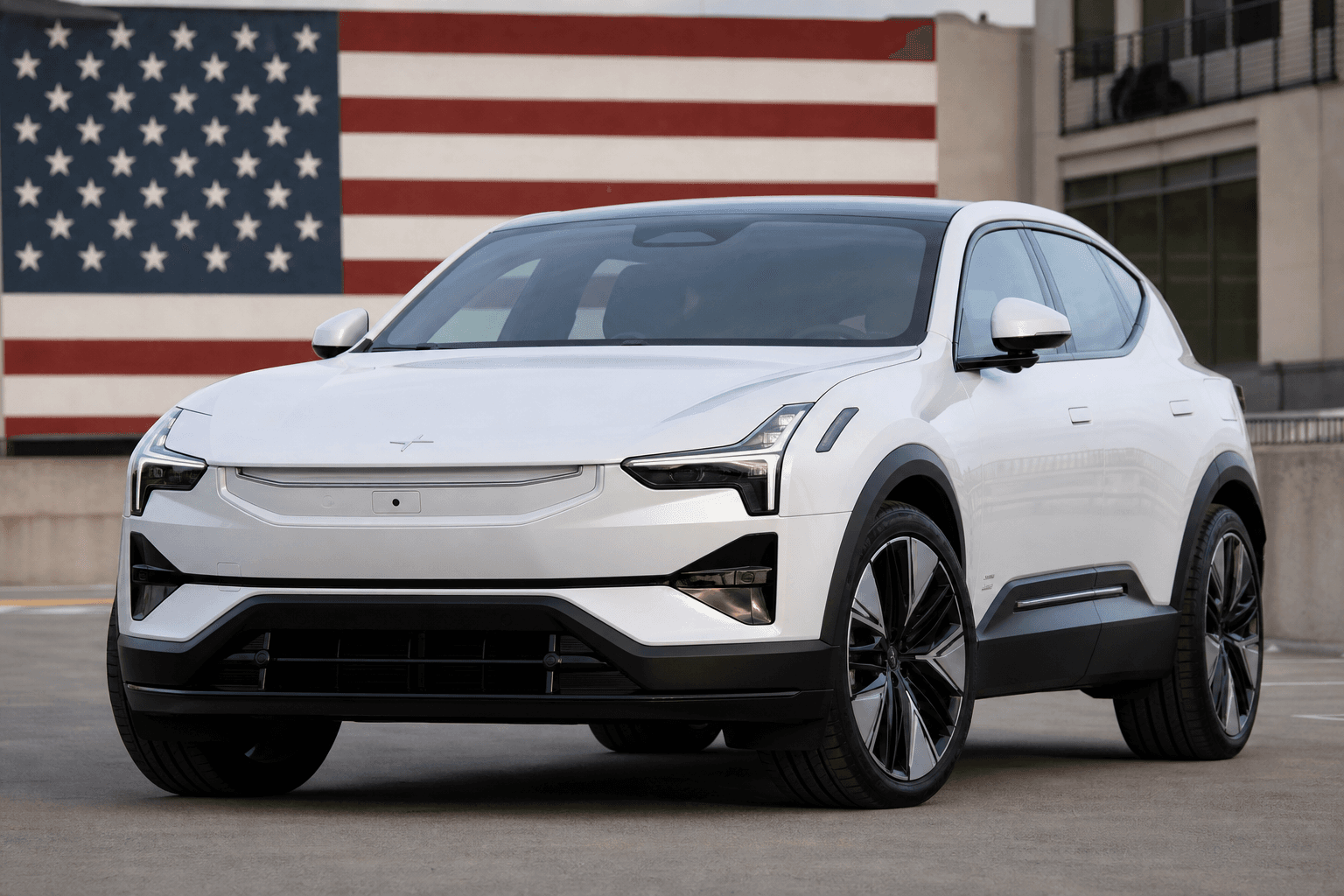
Polestar is facing a major break in the US: From the 2027 model year, the brand is set to be barred from selling vehicles there. According to Polestar, the responsible authority has yet to provide a clear explanation of why approval was denied. For Polestar, this would effectively amount to a withdrawal from one of the world’s most important automotive markets.
Important for readers in the German-speaking DACH region—Germany, Austria and Switzerland: The decision concerns the US market and is tied to US rules for connected vehicles. Different regulatory frameworks apply in Europe, although geopolitical and regulatory trends often influence one another.
Connected Vehicle Rule: focus on software and telematics
The trigger is a US regulation commonly referred to as the Connected Vehicle Rule. It is intended to keep vehicles with certain hardware and software links to so-called “foreign adversaries,” such as China or Russia, off the market. The reasoning is based on security concerns: Connected vehicles transmit data and use telematics and driver-assistance systems, which is precisely where US authorities see a potential risk.
At its core, then, the issue is less about conventional automotive technology such as the chassis or battery and more about the digital layer: control units, communications modules, cloud connections and software stacks. This is a central part of modern electric cars because over-the-air updates, assistance systems and app features all rely on it.
Why Volvo can continue but Polestar cannot
Polestar’s argument is particularly contentious: The Polestar 3 is considered closely related to the Volvo EX90, and both are reportedly even built on the same production line in the US. Polestar also points out that the vehicles use a very similar software platform. Nevertheless, Volvo is said to have received an exemption while Polestar did not.
This is not necessarily a contradiction, as approvals may depend on detailed requirements that are difficult to assess from the outside, including supply chains, supplier documentation, the specific origins of individual modules or contractual access to data flows. Polestar says, however, that the reasoning has not yet been disclosed transparently.
No appeal and a stronger focus on Europe
Notably, Polestar has not appealed the decision as things stand. Instead, the company intends to shift its focus more strongly toward Europe, which accounts for a large share of its sales to date. Strategically, that is understandable: Lengthy proceedings in the US would cost time and money, with no certainty about the outcome.
For Europe, this sends two messages: On the one hand, Polestar could concentrate more of its resources and marketing here. On the other, the case shows how quickly regulation surrounding connected technologies can transform entire sales markets—an issue that is also likely to become increasingly important in the EU.
US dealer lawsuit: dispute over the withdrawal
Additional pressure is coming from the retail network: A Polestar dealer in the US has filed a lawsuit claiming that Polestar had been planning a withdrawal for some time and is using the authorities’ decision as justification. The central question is whether deadlines and protections for franchise partners were observed.
Such disputes are not unusual in the US, where dealers’ rights are sometimes strongly protected by law. For the brand, however, this means that even if US sales are winding down anyway, the legal fallout could be costly and damage its reputation.
What this specifically means for EV enthusiasts in the DACH region
For buyers in Germany, Austria and Switzerland, nothing will change in the short term regarding availability in Europe. Nevertheless, the case is a good indicator of just how dependent the industry has become on software compliance and proof of origin. Hardware is now only half the story; the rest is digital infrastructure.
Anyone looking to understand the broader topic of “software architecture and regulation” will also find interesting parallels with charging and platform issues in modern electric cars, such as 800 volts vs. 400 volts, where technical decisions have a very direct impact on everyday use, from charging times to thermal management.
In brief
Polestar’s US problem is less about the product than about software and compliance—and that is precisely what makes it so difficult to pin down and potentially so consequential.
Whether Polestar ultimately receives an explanation or finds a solution remains unclear. What is clear is that connected vehicles are increasingly being regulated like digital systems, turning supply chains, software stacks and data flows into questions of market access. For manufacturers with international corporate structures, such as those typical of the Geely group, this can quickly become a genuine strategic turning point.