Mercedes Is Reportedly Planning an Electric A-Class
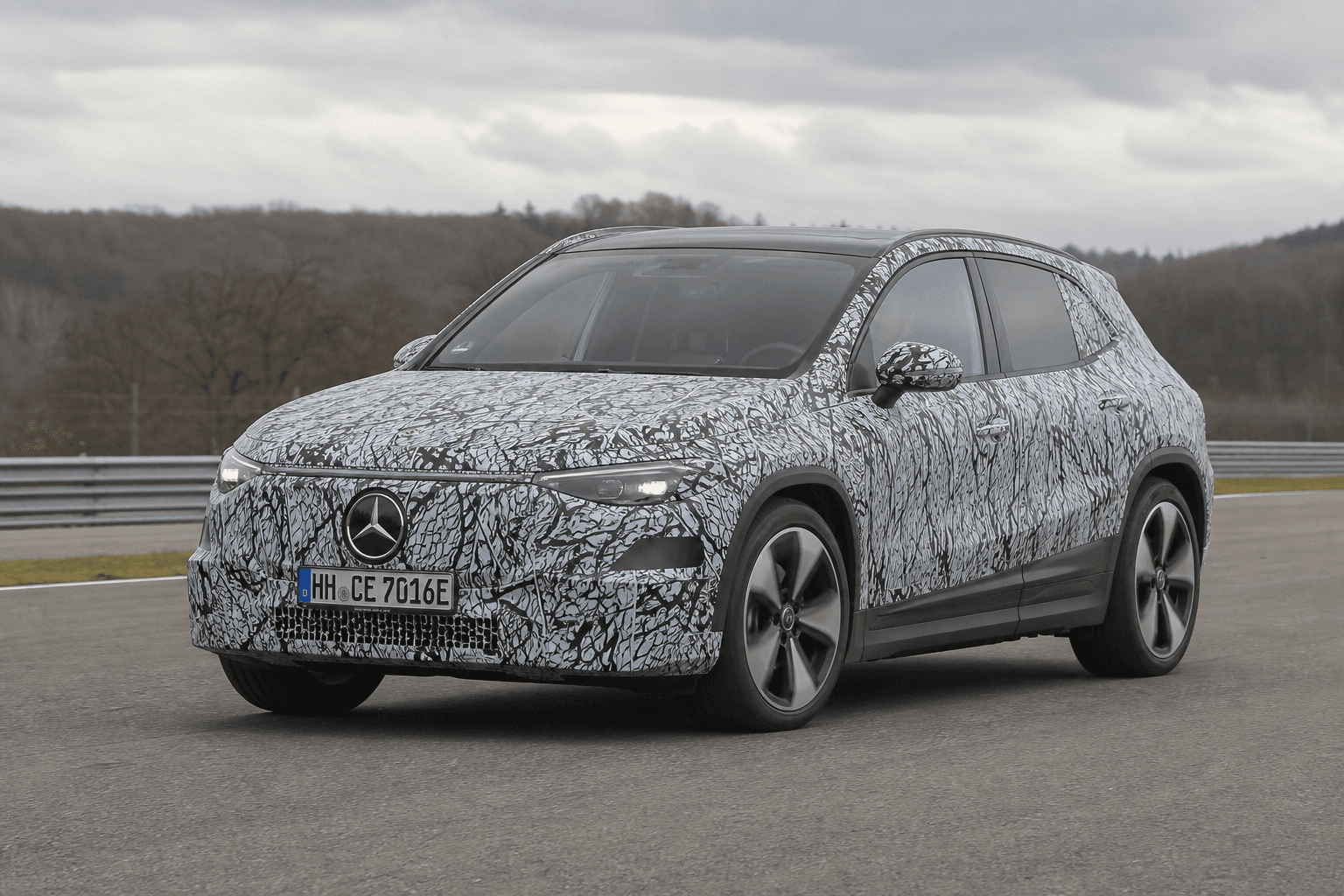
Contrary to earlier plans, the Mercedes A-Class could still have a future. Instead of another conventional hatchback, the next generation will reportedly be launched as an all-electric crossover. A market launch is not expected before 2028.
Neither the production model nor its technical specifications have been officially confirmed. However, the reports are consistent with Mercedes’ new strategy of using modern EV platforms across more model ranges while not surrendering the important entry-level segment without a fight.
From Compact Car to Low-Slung Crossover
The A-Class has already changed shape several times. After its original tall-roof design, it evolved into a conventional compact car; its next transformation could take it in the direction of a low-slung compact SUV.
It is expected to measure up to 4.50 m long, with a wheelbase of around 2.79 m. This would make the electric A-Class significantly larger than a typical compact car and bring it closer in size to the GLA.
For customers, this move would offer practical benefits: more rear-seat space, a more usable trunk and a slightly raised seating position. At the same time, Mercedes would abandon the classic low-slung A-Class hatchback, which may not appeal to every existing buyer.
MMA Platform with 800-Volt Technology Expected
The Mercedes Modular Architecture, or MMA, is considered the most likely technical basis. The platform is already used in the new Mercedes CLA-Class and was developed primarily for efficient electric vehicles.
If Mercedes largely adopts the same technology package, an 800-volt electrical architecture and maximum DC charging power of up to 350 kW would be conceivable. Our comparison of 800-volt and 400-volt architectures in electric vehicles explains the everyday benefits of such a system.
However, a high peak charging rate alone does not guarantee short charging stops. The charging curve, battery temperature and preconditioning are also crucial. If the overall package is right, the electric A-Class could replenish energy significantly faster on long journeys than today’s compact EVs.
| Feature | Currently expected specifications |
|---|---|
| Body style | Low-slung electric crossover |
| Platform | Expected to be MMA |
| Length | Up to around 4.50 m |
| Wheelbase | Around 2.79 m |
| Electrical architecture | Expected to be 800 volts |
| DC charging power | Possibly up to 350 kW |
| Battery | Around 85 kWh under consideration |
| Range | More than 550 km expected |
| Market launch | Probably no earlier than 2028 |
A battery of around 85 kWh and a range of more than 550 km are also being discussed. Since neither the battery capacity nor the testing cycle has been confirmed, these figures should be regarded as technical expectations rather than final production specifications.
Mercedes Is Taking a Different Approach to Its Entry-Level Segment
An electric A-Class would be more than just a new model for Mercedes. After the company sought to focus more heavily on high-margin premium vehicles, the model range would once again provide a comparatively accessible entry point to the brand.
Competitors are pursuing different strategies. Audi is expected to initially offer the next A3 generation without a fully electric version, as previous reports on the upcoming Audi A3 indicate. BMW, by contrast, is reportedly working on an electric entry-level model, with 800-volt technology also under consideration for the BMW i1.
Price and Positioning Will Be Crucial
With a large battery and high charging power, the new A-Class could technically rank far above a basic entry-level EV. That raises the most important unanswered question: Will it remain an affordable gateway to the brand, or will it become yet another premium crossover?
Plans could still change before a potential debut in 2028. What is already clear, however, is that Mercedes apparently does not intend to abandon the compact segment entirely and could fundamentally reinvent the A-Class to retain its presence there.