The Audi A3 Is Staying, but It Will Be Completely Redesigned
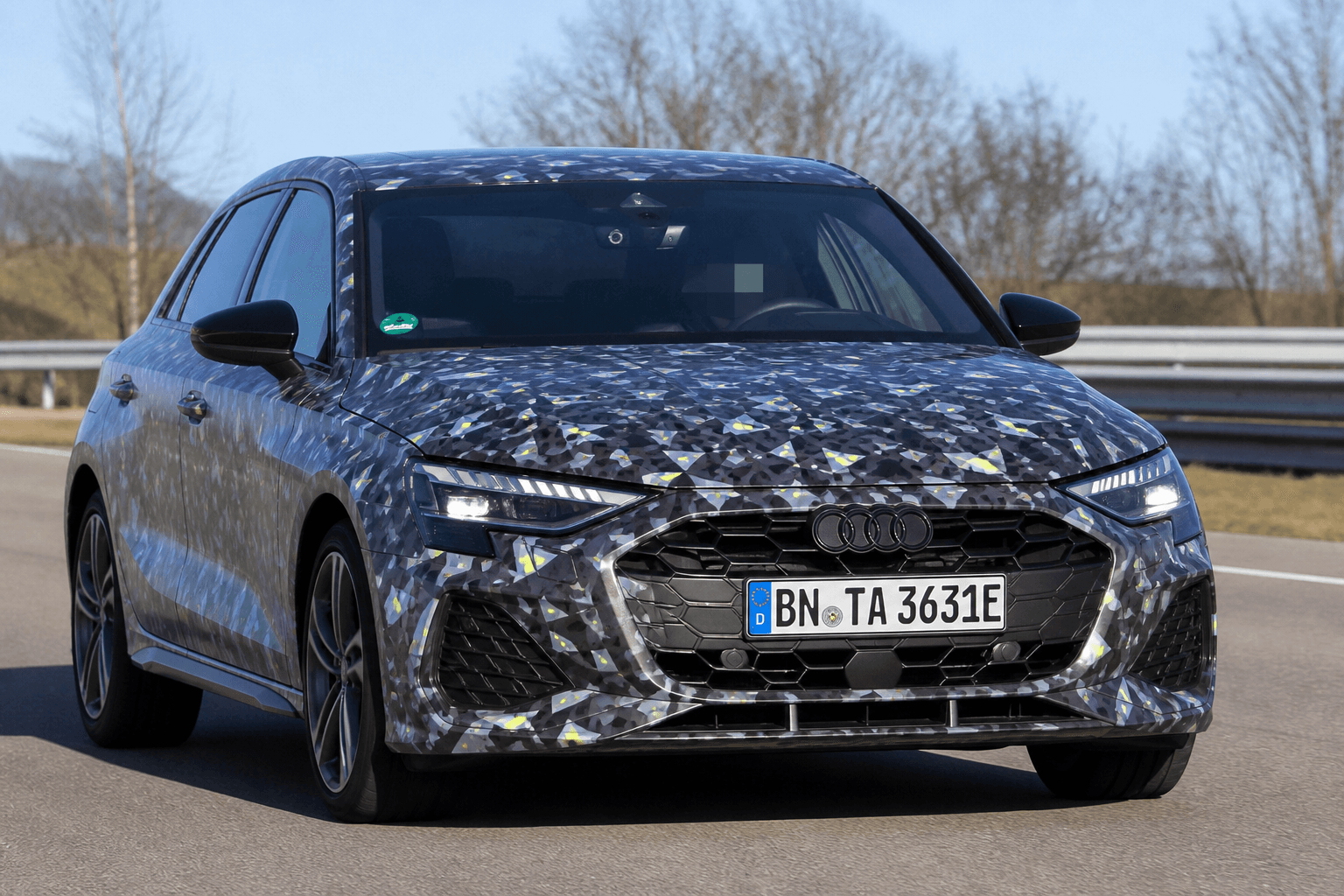
The Audi A3 is not set to be discontinued. Instead, the next generation is expected to be fundamentally redesigned. More than a conventional facelift is reportedly planned, with a noticeable leap in design, interior quality and technology. This would allow Audi to make a stronger statement in the compact segment again, after SUVs and crossovers have dominated the headlines in recent years.
This is particularly relevant to the DACH market—Germany, Austria and Switzerland—because the A3 has traditionally been one of the brand’s most important entry-level model lines. At the same time, this segment is undergoing a transformation: Many manufacturers are focusing on taller body styles, while fans of conventional hatchbacks face an increasingly limited choice.
New Audi Design: A Distinctive Front End
Visually, the new A3 is expected to follow Audi’s latest design language, which has already been previewed by concept vehicles. Key features reportedly include a strikingly redesigned front end with vertical grille elements and new headlight graphics. The objective is clear: to create a more modern appearance and distinguish the car more clearly from the VW Group’s shared-platform look.
Importantly, design at Audi is not merely cosmetic. A completely new interior, a revised control concept and higher-quality materials would make a real difference in everyday use, particularly in the compact class, where prices and customer expectations are closely linked.
The Sticking Point: Apparently No All-Electric Audi A3 Planned
As ambitious as the update may sound, one decision is prompting discussion: Current indications suggest that the next Audi A3 will not be offered as an all-electric version. Conventional combustion-engine and hybrid models are expected instead. That would be notable because the vehicle is likely to arrive closer to the end of the decade—a period when many customers in the compact segment will expect a wider choice of EVs.
However, the situation deserves a sober assessment: Product planning is a long-term process, and priorities within the group are frequently determined by market conditions, margins, regulations and platform availability. Particularly within the VW Group, the strategy could still change over the next few years, both in terms of timing and whether a fully electric version might eventually be added.
What Does This Mean for EV Buyers in Germany, Austria and Switzerland?
If Audi really does not offer a battery-electric vehicle (BEV) in the A3 format, the range of “conventional” electric compact cars will not automatically expand. Many new models are moving toward crossover designs, which provide more space and a higher seating position but do not appeal to everyone. Buyers specifically looking for a lower, more efficient compact car will need to examine more closely which alternatives actually remain available.
A look at Audi’s current EV positioning also provides useful context: The brand is concentrating heavily on other model lines and segments in the electric market. You can read more about a possible entry-level EV in our article on the Audi A2 e-tron.
Real-World Impact: Efficiency, Space and Price Are Diverging
A conventional hatchback often has an aerodynamic advantage, which directly affects energy consumption and highway range. Crossovers generally have more weight and a larger frontal area, shifting the balance of efficiency. That is precisely why an electric A3 would have appealed to many commuters and high-mileage drivers.
Those who generally prefer the compact SUV format already have a wider selection today. Our overview of electric compact SUVs in Germany provides a useful guide, showing at a glance which ranges and charging speeds are realistic in everyday use.
Context: Audi, the VW Group and the Platform Question
Audi planning an A3 without a BEV option does not automatically mean the company is “anti-EV.” It could also indicate that electric models within the group are being assigned more clearly to other names and platforms. This separation is already visible in the portfolio, for example in models developed as part of the group’s EV strategy and sold under different names.
Those specifically interested in Audi’s current electric models can find technical specifications and variants on our model page for the Audi Q4.
Overall, the new A3 sounds like a major step forward in design and quality, but the lack of an electric version could leave a gap in the compact segment.
What Buyers Should Keep in Mind Now
There is still some time before the market launch, and with cars that have long development lead times, plans can change. As things stand today, however, the most likely outcome is a new Audi A3 with modernized styling and a significantly improved interior, but initially without a fully electric version.
If you are looking for a compact Audi in Germany, Austria or Switzerland, this could suit you if you deliberately want to stick with a plug-in hybrid, another type of hybrid or a combustion-engine car. If you specifically want to drive electric, however, it is worth considering Audi’s existing BEVs, related models from other VW Group brands or competitors that continue to offer conventional compact body styles.