Hyundai Ioniq 3: New cockpit, but the base model cuts the driver display
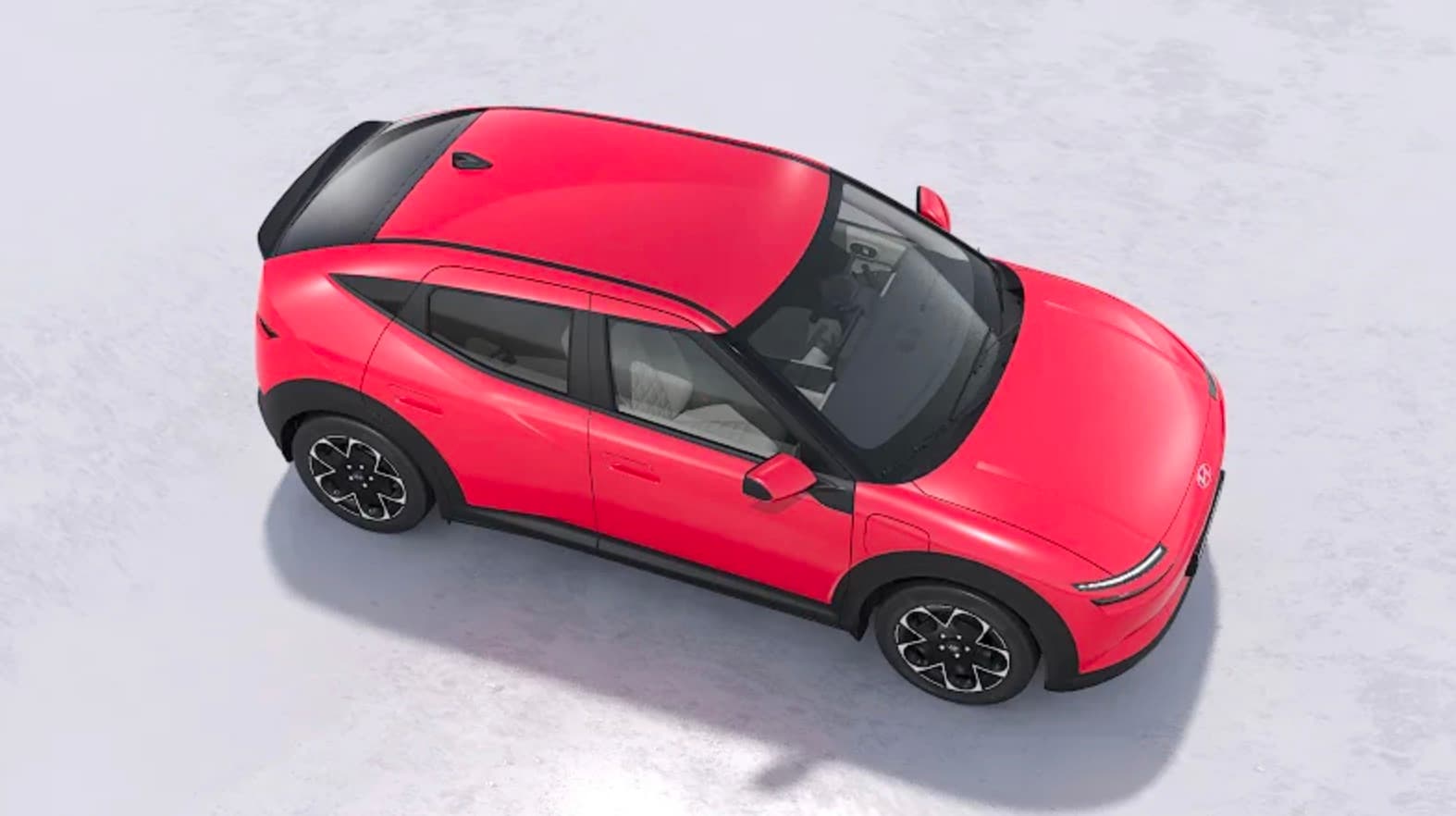
For the Ioniq 3, Hyundai uses a newly designed cockpit in which the infotainment display and instrument display are separate. This separation makes it possible to eliminate one screen from the cheapest trim without altering the central system.
Importantly, the large central screen is always included and comes with at least Android Auto and Apple CarPlay. Instead, the cost-saving measure affects the traditional “speedometer screen” behind the steering wheel, which Hyundai calls the “Digital Cockpit.”
What exactly is missing from the Select trim?
The entry-level “Select” trim does not include the approximately 10-inch screen in the driver’s field of view. The speed is therefore no longer shown in the instrument cluster, but exclusively in the upper-left corner of the central infotainment display.
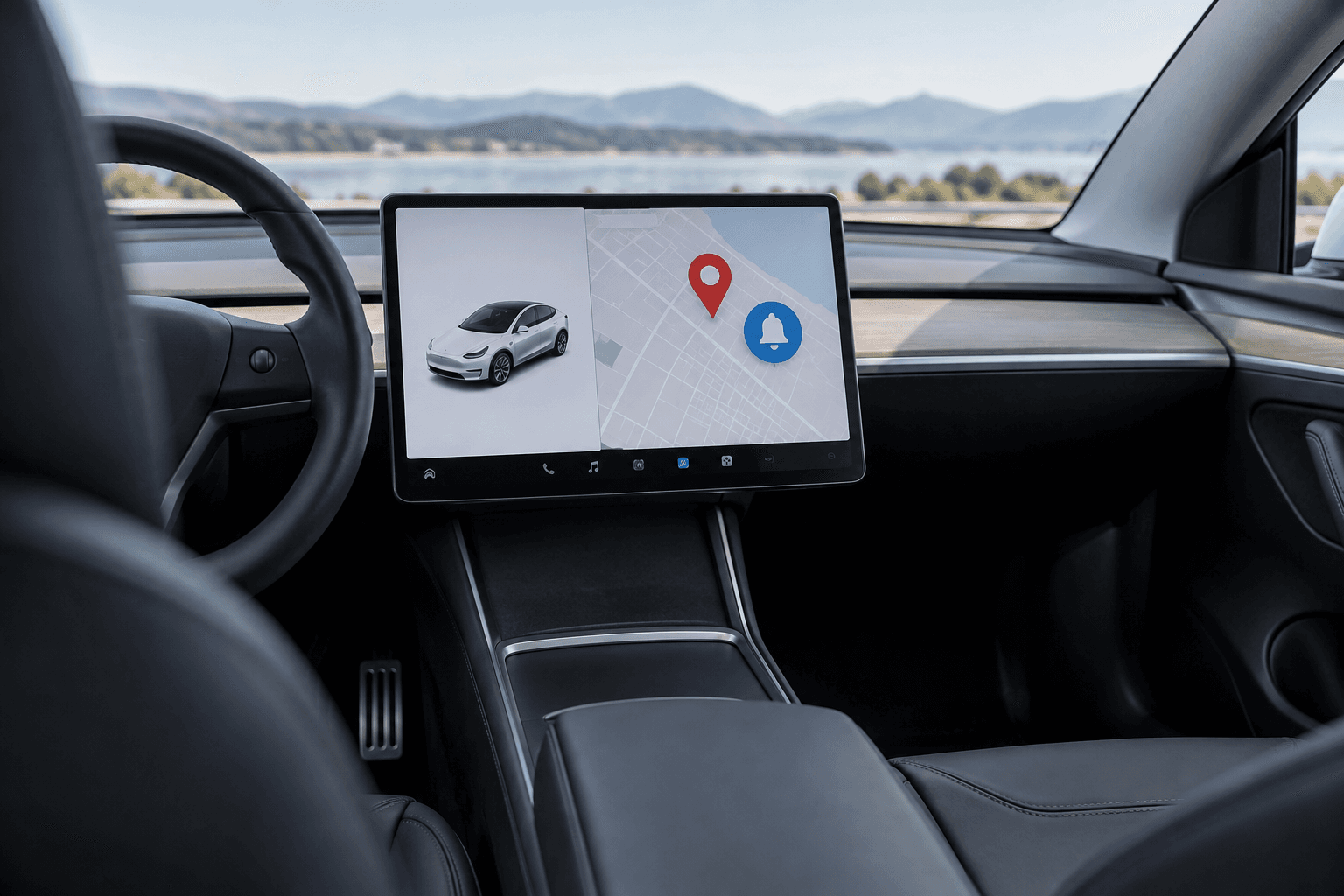
The principle is not new, but it remains relatively uncommon. Tesla and Volvo are among the brands already using it in practice. Drivers quickly find that, as long as the readout is well positioned and large enough, it works surprisingly well in everyday use.
Everyday impact: A matter of adjustment, with real pros and cons
The biggest difference is ergonomic rather than technical: To check your speed and warning messages, you no longer look through the steering wheel but slightly to the side at the central screen. Depending on your seating position and personal habits, this can even have advantages because the display may sit closer to your peripheral view of the road.
When navigating unfamiliar cities in particular, many drivers consider it more important to be able to take in directions and maps quickly. Bringing everything together on the central screen is a consistent approach, but it will not be the perfect solution for everyone.
Who it suits
- Drivers who like a clean cockpit and are familiar with a central-screen setup
- Drivers who use navigation frequently and want information grouped together
- Drivers who want to keep the starting price as low as possible
Who it may not suit
- Drivers who want to see their speed in the traditional position directly behind the steering wheel
- Drivers who prefer to minimize glances toward the central screen
- Drivers who expect a “full-featured” digital instrument cluster
Digital Cockpit only on higher trims, with no standalone option for the base model
Anyone wanting the separate instrument display will need to choose at least the “Trend” trim, which currently starts at €31,950. One important detail is that the driver display cannot simply be added as an option to the base model; it is tied to the higher trim levels.
This points to a clear production strategy: Fewer variants often mean less complexity in manufacturing and procurement, helping automakers offer certain price points in the first place. At the same time, it shows where Hyundai is placing its emphasis: The central display and infotainment system are the cockpit’s showpieces.
Context: Tesla does something similar, and that does not automatically make it “cheap”
The comparison with Tesla is obvious because the brand has consistently relied on a central display for years. In both the Tesla Model 3 and the Tesla Model Y, the speed readout is integrated into the central screen, and many drivers adjust to it easily after a short time.
What is interesting is that this layout is used not only to reduce costs, but also for design and software reasons. Quality depends less on the number of displays than on how easy the interface is to read and how effectively it prioritizes information.
What to check before buying
If you are considering the Ioniq 3, your choice of trim is about more than just a “nice-to-have” feature. When sitting in the car or taking a test drive, it is best to check these points specifically: how easily you can read the speed, follow navigation instructions, and notice warnings in everyday use, including in direct sunlight.
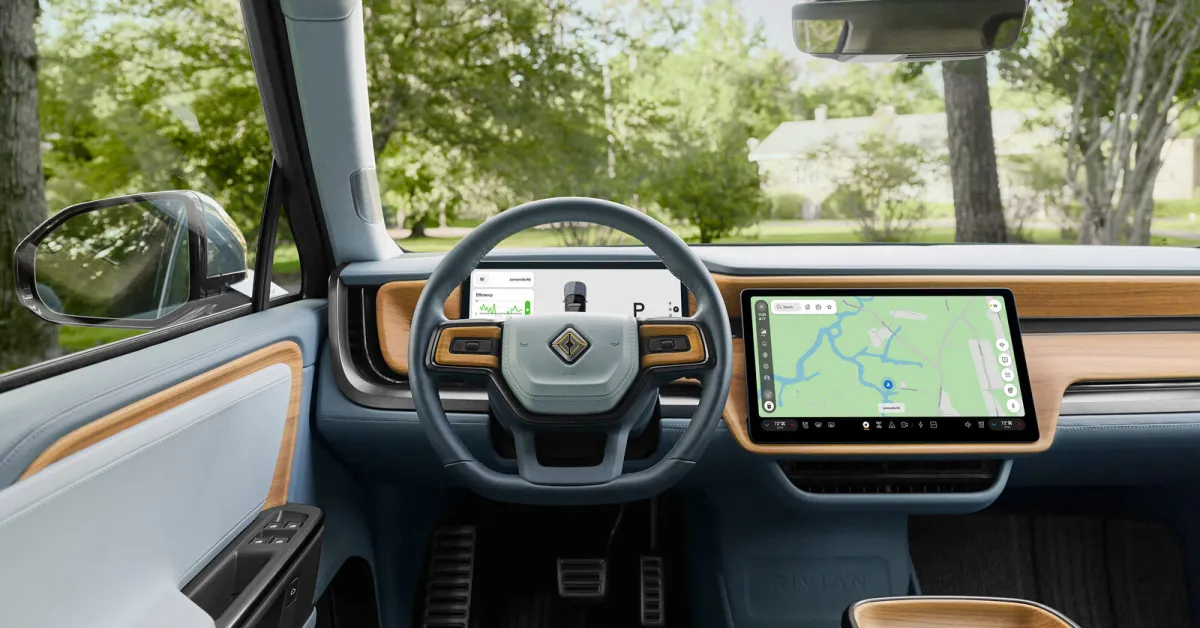
If you are already comparing different cockpit philosophies, it is also worth looking at the minimalist approach of the Volvo EX30, which is often regarded as a contrasting concept in this class. For technical context on modern EV architectures, we also recommend our overview of 800 volts vs. 400 volts, because cockpit decisions are ultimately only one part of the overall package.