Private Customers Accelerate Germany’s EV Market
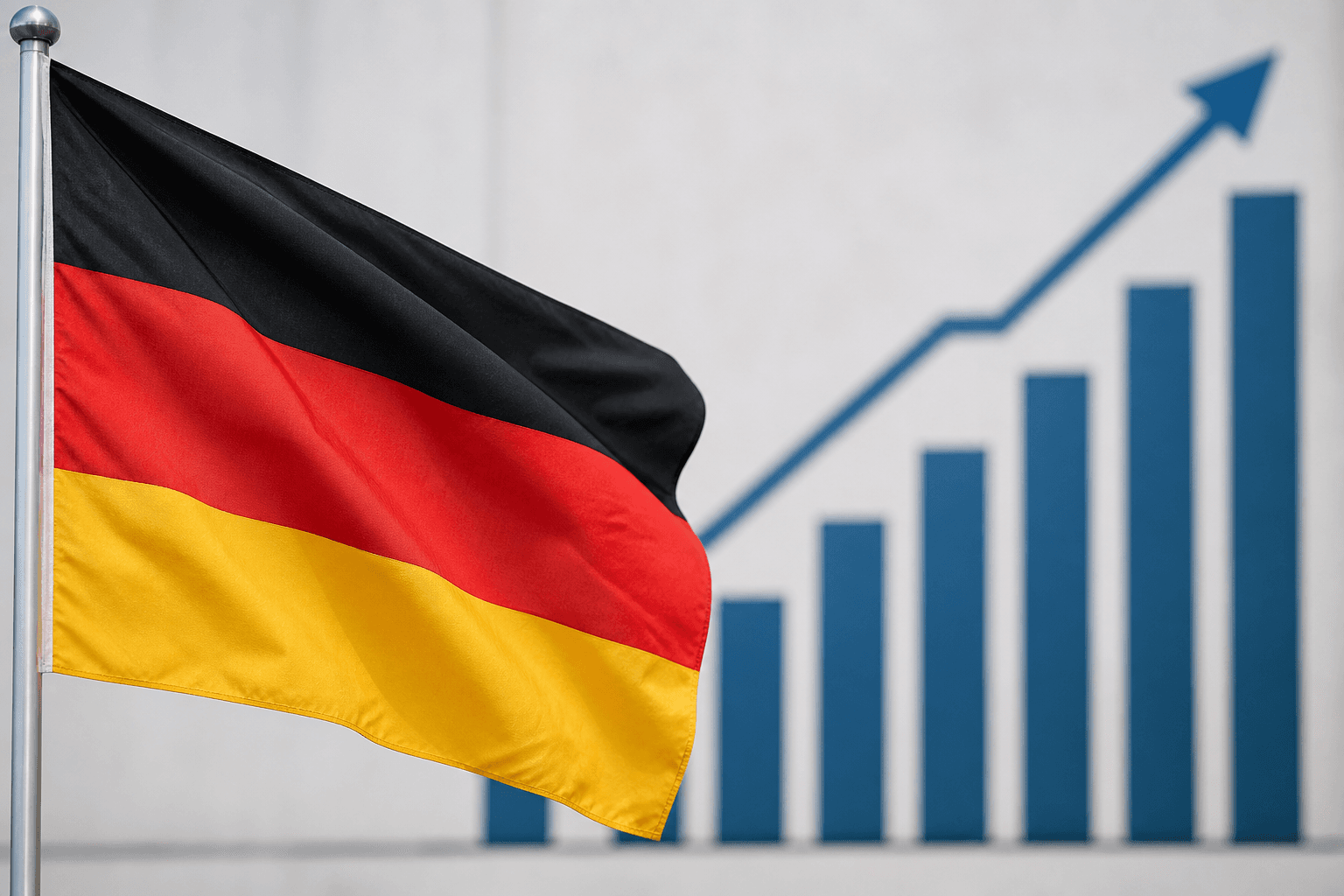
Germany’s car market grew by just 2.6 percent in August 2026 compared with the same month last year. Battery-electric cars, however, showed entirely different momentum, particularly among private owners.
Nearly 36,800 new EV registrations by private customers represented an increase of 141 percent. Fully electric cars thus accounted for 42.7 percent of the private market, the second-highest figure recorded to date.
| Market segment | New BEV registrations | Year-on-year change | BEV share |
|---|---|---|---|
| Private customers | nearly 36,800 | up 141 percent | 42.7 percent |
| Overall market | 68,930 | up 75.1 percent | 32.4 percent |
| Corporate fleets | 20,016 | up 42 percent | 31.7 percent |
The trend is consistent with the broader EV boom in Europe. However, Germany’s August figures are particularly strong and should not automatically be applied to Austria or Switzerland, as incentives, taxes, and company-car rules differ.
Growth Extends Far Beyond the Market Recovery
Overall, around 86,000 new passenger cars were registered by private customers, 17 percent more than in August 2025. The rise in electric cars is therefore not merely the result of a larger private market but reflects a clear shift between powertrain types.
Based on the 141 percent increase, the comparable figure for August 2025 was around 15,300 privately registered electric cars. This means that approximately 21,500 BEV registrations were added within one year, while the overall private market grew by only just under 12,500 vehicles.
At the same time, private registrations of gasoline cars fell by 28 percent, while those of diesel vehicles declined by 22 percent. Some of the additional electric cars are therefore clearly replacing combustion-engine vehicles rather than simply reflecting additional market growth.
The private market is growing moderately, while the electric share is rising sharply. It is precisely this shift that makes the August figures so significant.
More Than One in Two New EVs Goes to Private Buyers
Of the 68,930 electric cars registered overall, more than 53 percent were attributed to private owners. Yet private customers account for only just over 40 percent of the overall passenger-car market. Their BEV share of 42.7 percent is significantly higher than the overall market’s 32.4 percent.
When plug-in hybrids are included, as many as 51 percent of all new private registrations were externally rechargeable. In August of the previous year, that figure had been only 26.9 percent.
A look at German EV registrations in August 2026 also shows which vehicles are benefiting most from this market environment. The EV ranking for Western Europe also puts the balance of power among models and manufacturers into perspective.
Not an Isolated Exceptional Month
The strong August continues a trend that has been evident since the spring. Private EV registrations rose by 85 percent in April, while the BEV share reached 36.4 percent in May and around 41 percent in June. In July, it was nearly 39 percent.
This sequence of high monthly figures argues against a short-lived special effect. At the same time, individual months remain susceptible to shifts caused by delivery schedules, expiring promotions, or changes to incentive conditions.
Incentives and Fuel Costs Support EVs
Government incentives and high fuel prices are considered important drivers. However, the number of newly registered electric cars is growing faster than can be explained by subsidized vehicles alone. The data therefore demonstrates broader demand but does not allow the individual causes to be quantified precisely.
Corporate fleets are also continuing to electrify, although their pace remains behind that of private customers. Their new BEV registrations increased by 42 percent and reached a market share of 31.7 percent.
Fewer Self-Registrations Make the Figures More Meaningful
The decline in tactical self-registrations—vehicles registered by manufacturers or dealers rather than sold directly to customers—is particularly encouraging. Registrations by vehicle manufacturers fell by 24 percent, while those by dealerships declined by 11 percent. The overall market’s modest growth was therefore not artificially inflated by additional dealer-registered vehicles.
For manufacturers, this is an important signal: the EV upswing is increasingly reaching private buyers. For the market, it means a more stable foundation for demand, although it will take several quarters to determine whether the current level can be sustained over the long term.