Why the auto industry is moving away from avoiding confrontation
Pressure is mounting in Berlin: Parts of German industry, including automakers, expect the federal government to adopt a significantly tougher trade policy stance toward China. This is notable because the industry long advocated restraint, primarily out of concern about retaliatory measures in the Chinese market.
Now the argument is shifting. It is not only potential retaliation that is seen as a risk, but also inaction. Competition is changing noticeably, both within China itself and in Europe.
Automakers’ balancing act: Protect Europe without losing China
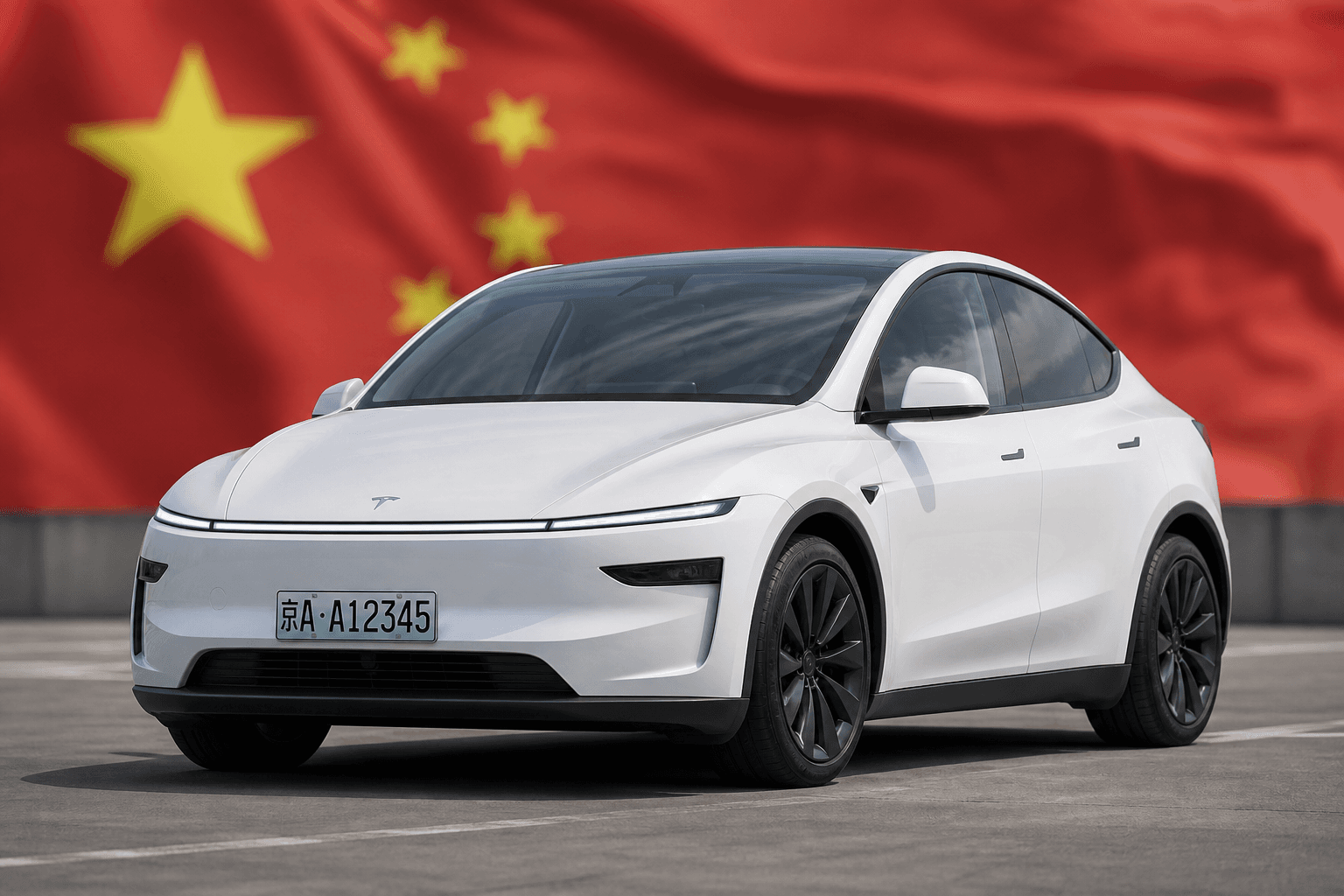
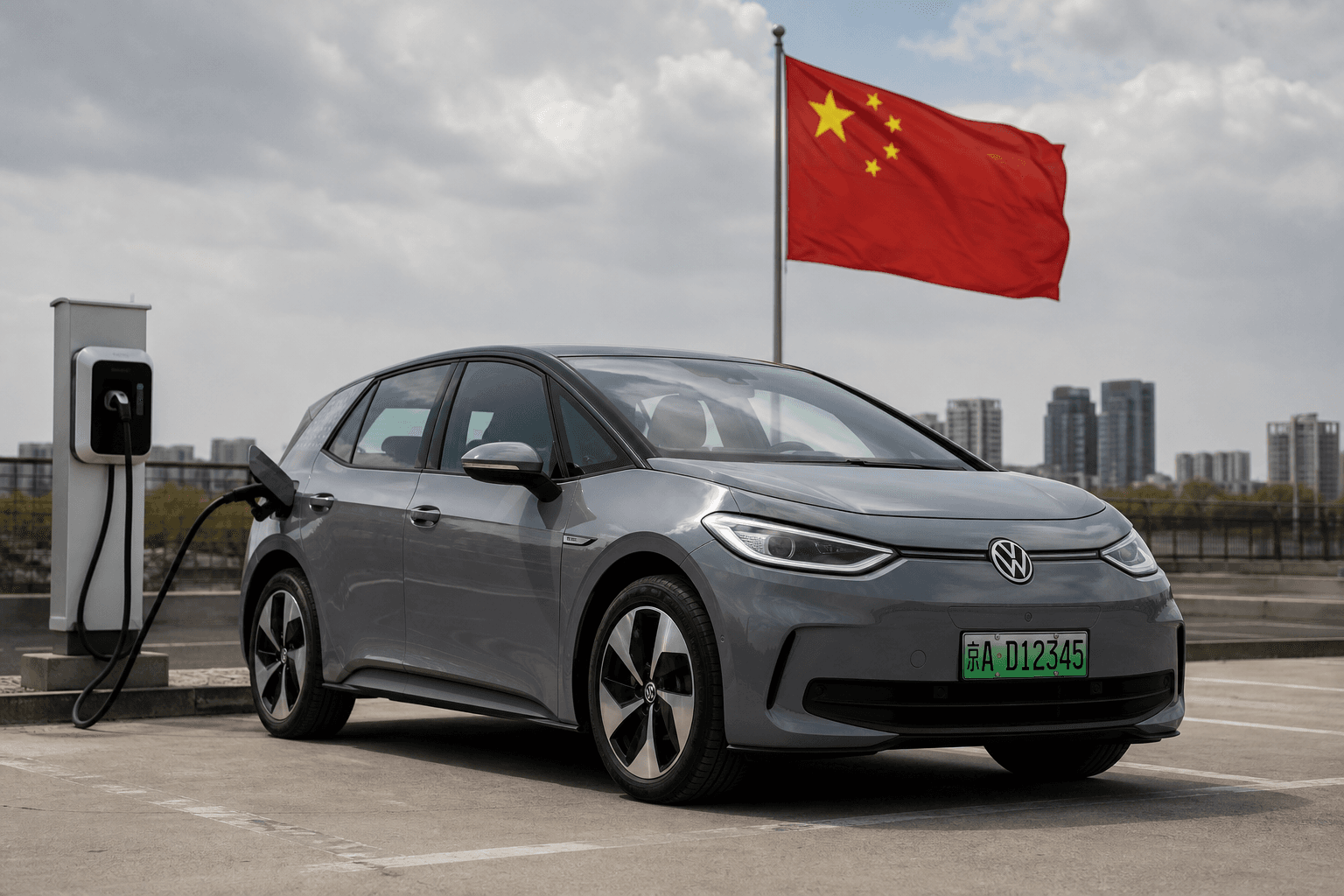
China remains strategically important to German manufacturers, but doing business there has become more difficult. Established brands are coming under pressure from domestic competitors in China, while Chinese manufacturers are rapidly expanding their presence across Europe. For groups with significant exposure to the Chinese market, this presents a classic dilemma: Europe is demanding a level playing field, while China reacts sensitively to anything that looks like protectionism.
Demands are therefore being worded cautiously. One prominent point is that Europe must create equal competitive conditions, including examining whether existing rules contain loopholes. The debate also covers the fact that plug-in hybrids from China have so far not faced the same degree of scrutiny as battery-electric vehicles.
What “Made in Europe” requirements would mean
The idea is that the proportion of European components in vehicles could increasingly become a requirement, for example to qualify for certain market advantages or subsidy schemes. This is aimed less at any individual model than at the supply chain. Real-world impact: Strengthening production and sourcing in Europe can reduce dependencies, but it may also increase costs in the short term until economies of scale take effect.
Why the pressure is growing: Market share, speed and the price gap
Competitive pressure is coming from several directions. In China, the world’s largest car market, local brands have overtaken European manufacturers in key segments. In Europe, meanwhile, newcomers and already established Chinese groups are expanding significantly faster.
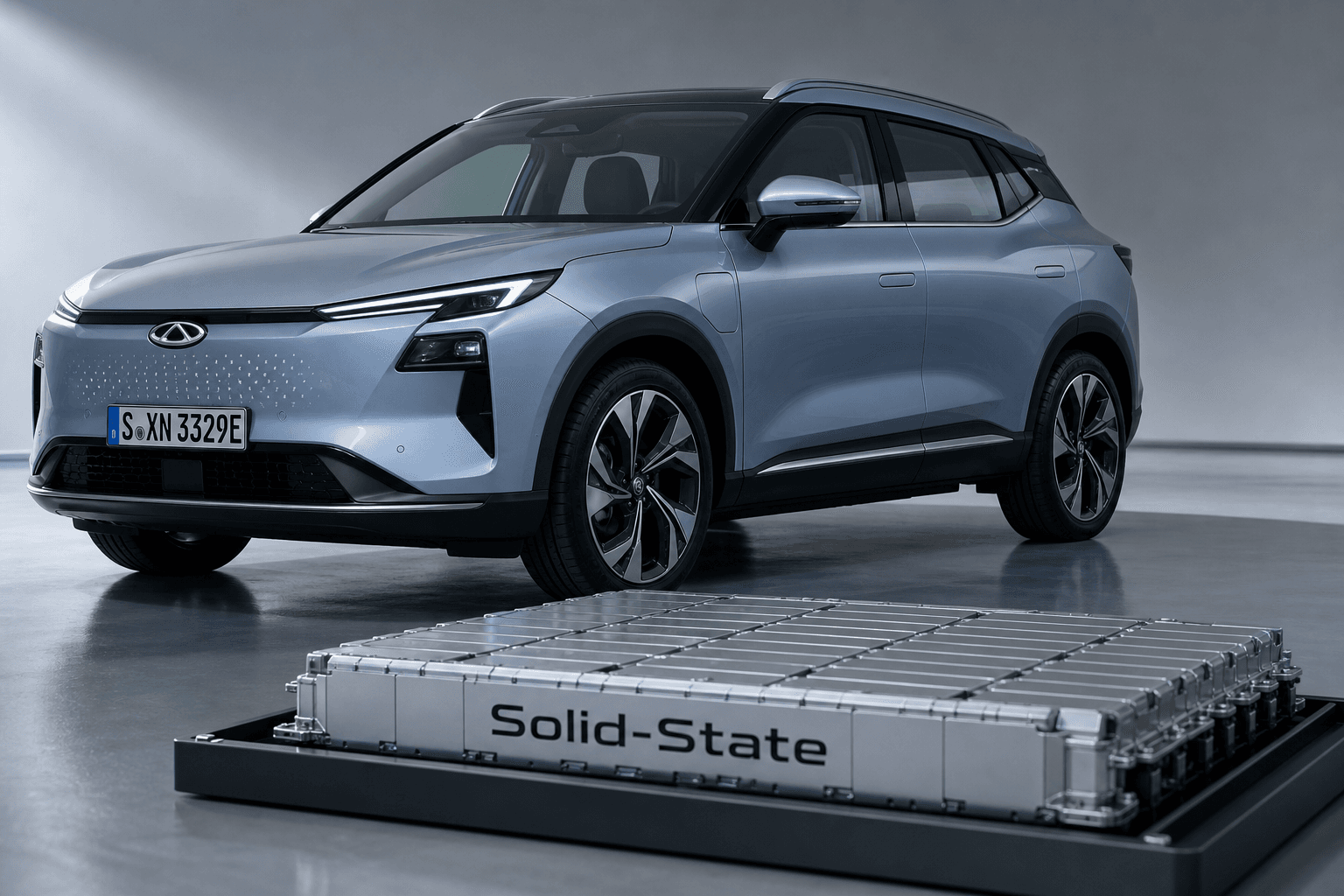
The momentum of brands and groups such as BYD, Chery, Leapmotor, SAIC and Geely is particularly striking, with some recently recording sharp sales increases. For German manufacturers, this means competition is no longer merely “China versus foreign brands in China,” but increasingly “Europe versus China in Europe.”
How quickly Chinese brands can establish themselves in Europe depends not only on price and product, but also on supply chains and cell chemistry. The dominance of LFP cells in China plays a role in costs and scalability. Readers looking for more detail can find additional context in our article on China’s battery market and the LFP boom.
Subsidies, currency and the dispute over “unfair advantages”
One of the industry’s main accusations is that Chinese manufacturers benefit from considerably greater government support than competitors from OECD countries. This aligns with the assessment that subsidies may explain a substantial share of their global market-share gains.
It is also argued that a yuan considered undervalued by some analysts, combined with subsidies, allows vehicles to be offered in Europe at significantly lower prices. The opposing side rejects allegations of unfair subsidies and currency-driven export advantages. The bottom line is that the cost debate is politically charged but technically complex, because economies of scale, battery costs, platform standardization and vertical integration are also major drivers of lower prices.
Which policy tools are now under discussion
Rather than discussing only sweeping “super-tools,” policymakers are considering several specific levers. These include anti-dumping and anti-subsidy proceedings that can be applied more quickly and substantiated more effectively, as well as a set of smaller, targeted measures that could have an impact in the short term.
At the same time, officials are communicating more clearly that although potential Chinese countermeasures must be taken into account, they should not automatically prevent all action. This matters for the EU because Germany’s position has a major influence on European trade policy. Talks between the EU and China are scheduled for October.
What this means for the DACH market and what drivers might notice
For buyers in Germany, Austria and Switzerland—the region known as DACH—a tougher stance could have two effects pulling in opposite directions. On the one hand, tariffs or stricter rules of origin could make affordable imports more expensive or slow their arrival. On the other, greater pressure to create value locally could eventually stimulate investment in European production and supply chains.
From an electric-car perspective, the tension is particularly evident: China delivers volume and cost pressure, while Europe wants to safeguard industrial jobs and technological expertise. How far policymakers go will therefore also determine how quickly prices change in the mass market.
The extent to which new entrants are already shaking up the market can also be seen in European trends and the brands benefiting from them. Our overview of Europe’s EV boom and its 25% market share provides more background. And for anyone wondering which vehicles are currently available in this fiercely contested class, here is our guide to electric compact SUVs in Germany in 2026.
The central political question is: How can Europe create fair competitive conditions without maneuvering itself into a costly trade conflict?
Tesla’s perspective: Competition is good, but protectionism is not automatically the answer
From Tesla’s perspective, the situation is mixed. Tesla manufactures in Europe and generally benefits from stable, predictable conditions. At the same time, electric mobility thrives on competition because it accelerates innovation and falling prices. A policy based solely on protectionism could slow market growth.
In practice, the crucial questions will be whether measures remain neutral toward technologies and manufacturers, and whether they create incentives for local production rather than simply pushing up consumer prices. Market data, such as the 2026 Western European EV ranking led by the Model Y, also shows how Tesla is currently performing against its European competitors.