The Seat brand is at a strategic crossroads
Volkswagen is reviewing the long-term direction of the Seat brand. Several scenarios are conceivable for the period after 2030, including, in principle, a gradual phase-out. However, no such step has been decided.
It is important to make a clear distinction between the Seat brand and the company Seat S.A. The latter encompasses both Seat and Cupra, operates the Martorell plant among other activities, and is taking on increasingly important responsibilities in the electrification of the Volkswagen Group.
The long-term future of the Seat brand is under discussion, not the end of Seat S.A. or the Martorell production site.
Seat’s product plan remains in place until 2030
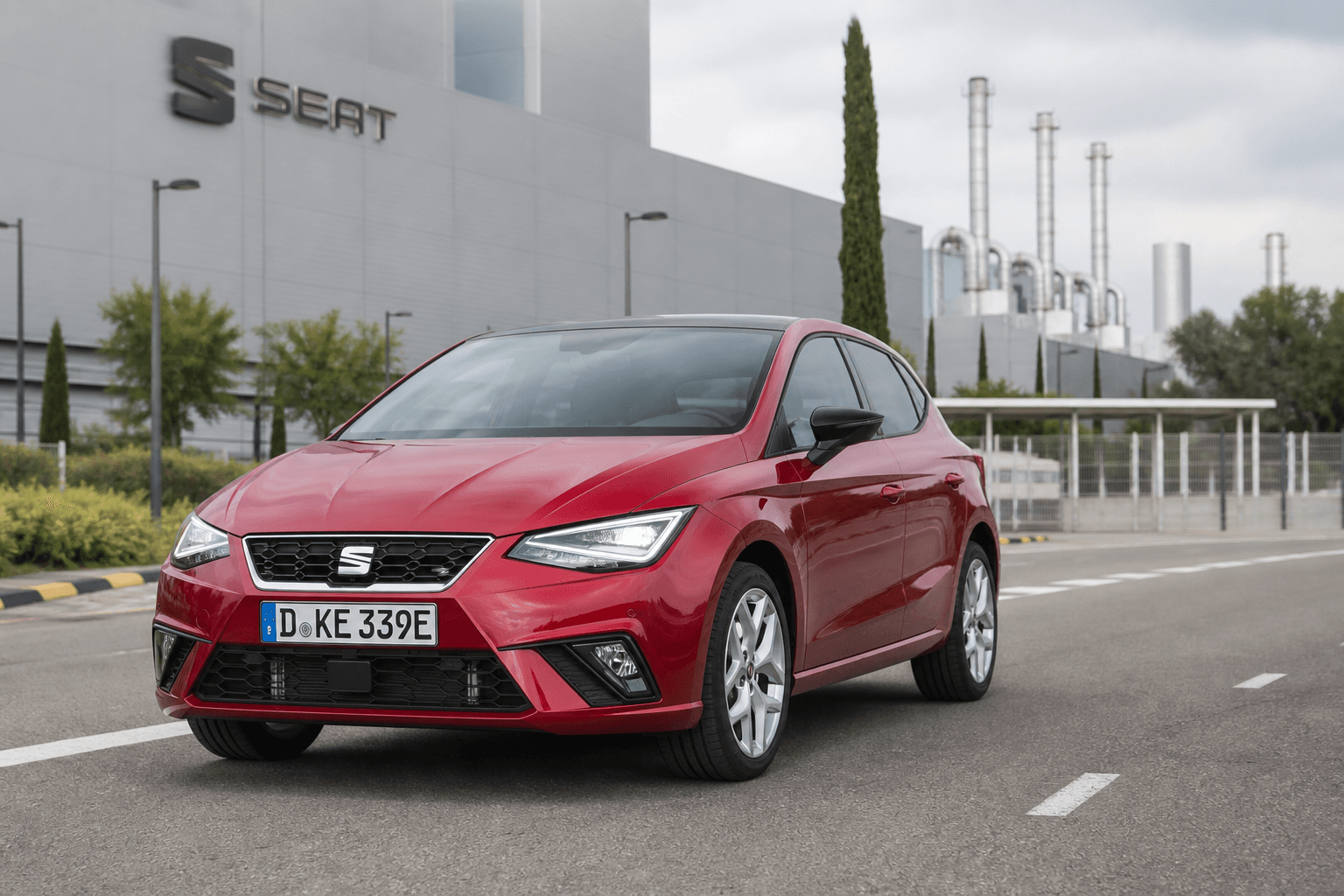
In the short term, little will change in the brand’s direction. New mild-hybrid versions of the Seat Ibiza and Seat Arona are planned for 2027. The current product cycle is therefore set to continue as planned.
Volkswagen is keeping various options open only for the period after that. The choice is expected to depend primarily on European regulations, customer demand, and economic developments in the automotive market.
| Area | Current role | Strategic outlook |
|---|---|---|
| Seat brand | Mass-market combustion-engine and hybrid models | Several scenarios for the period after 2030 are under review |
| Cupra brand | Sportier, more upmarket models | Seat S.A.’s main growth driver |
| Seat S.A. | Development, production, and industrialization | Growing industrial importance within the Volkswagen Group |
| Martorell plant | Flexible production of vehicles with different powertrains | Production of the new urban electric-car family |
Cupra is increasingly taking on the growth role
The strategic shift toward Cupra is already clearly visible. The younger brand is achieving higher growth rates and operating more independently internationally. The extent to which the balance has shifted is also reflected in the trend that has seen Cupra overtake Seat.
The electric Cupra Raval is a key element of this strategy. The compact EV belongs to the Volkswagen Group’s new entry-level family and is apparently attracting strong demand. Even at an early stage, orders for the new entry-level EVs from VW, Škoda, and Cupra were already at a strong level.
For Volkswagen, this division offers a practical advantage. Cupra can grow as the more emotive and upmarket brand, while Seat’s long-term role can be adapted to actual market developments. This reduces the pressure to make a final decision now about the period after 2030.
Martorell is becoming an electric-car hub
Regardless of the brand name, Seat S.A. is expected to become more important from an industrial perspective. The company is responsible for industrializing the MEB21 platform and manufacturing the Group’s urban electric-car family in Martorell. In the future, key compact EVs from several Group brands are to be built there.
At the same time, the plant will remain geared toward vehicles with combustion, hybrid, and electric powertrains. This flexibility is useful at a time when demand for electric cars is developing very differently across Europe. More demand for EVs → higher utilization of electric-vehicle production, while a slower ramp-up can be partially offset by other powertrains.
The transformation is based on an investment package totaling €10 billion that was announced in 2022. Volkswagen, Seat S.A., and other partners are involved. As its industrial responsibilities grow, the company even expects employee numbers to increase in the coming years.
What the review means for Seat customers
Current Seat owners do not need to take any immediate action. The company intends to meet its existing obligations and continue supporting customers through its dealer network. The models and updates announced through the end of the current product cycle also remain part of the plan.
Moreover, a possible phase-out after 2030 would not mean an abrupt withdrawal. Model cycles, spare-parts availability, warranties, and service obligations continue for many years. The current review is therefore primarily strategic preparation for different market conditions.
Seat remains for now, while Cupra sets the direction
The long-term future of the Seat brand remains open, but it is by no means already sealed. Volkswagen is keeping several paths open and intends to decide based on regulations, demand, and competition. Claims that the end of the brand has already been firmly decided therefore miss the mark.
The outlook for Seat S.A. and Martorell is clearer. Cupra is expected to continue growing, while the Spanish site becomes an important production hub for compact electric cars. Even if the brand landscape changes after 2030, the company behind it is likely to retain a central role within the Volkswagen Group.