Rumor About Chinese EVs Causes a Stir in Washington
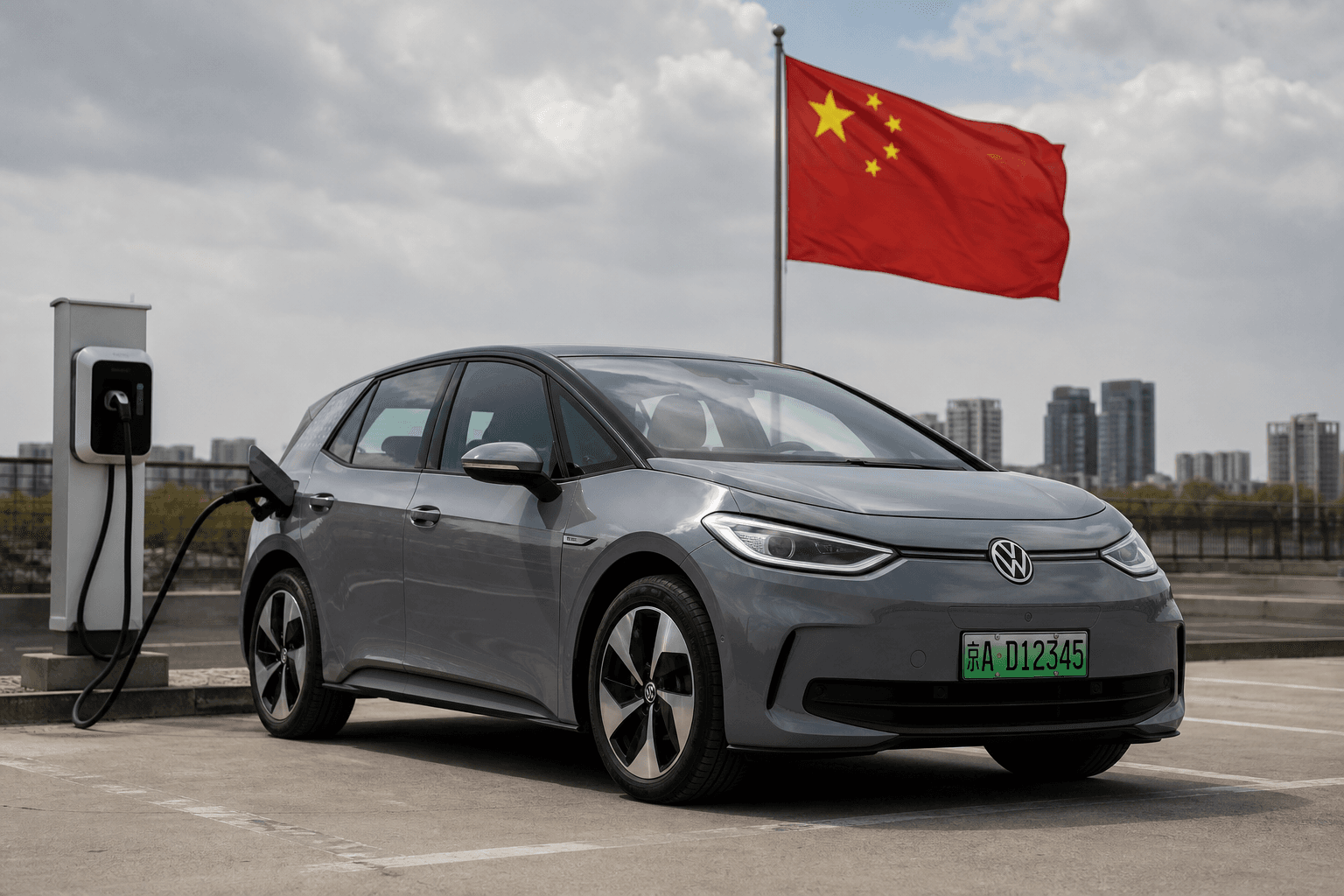
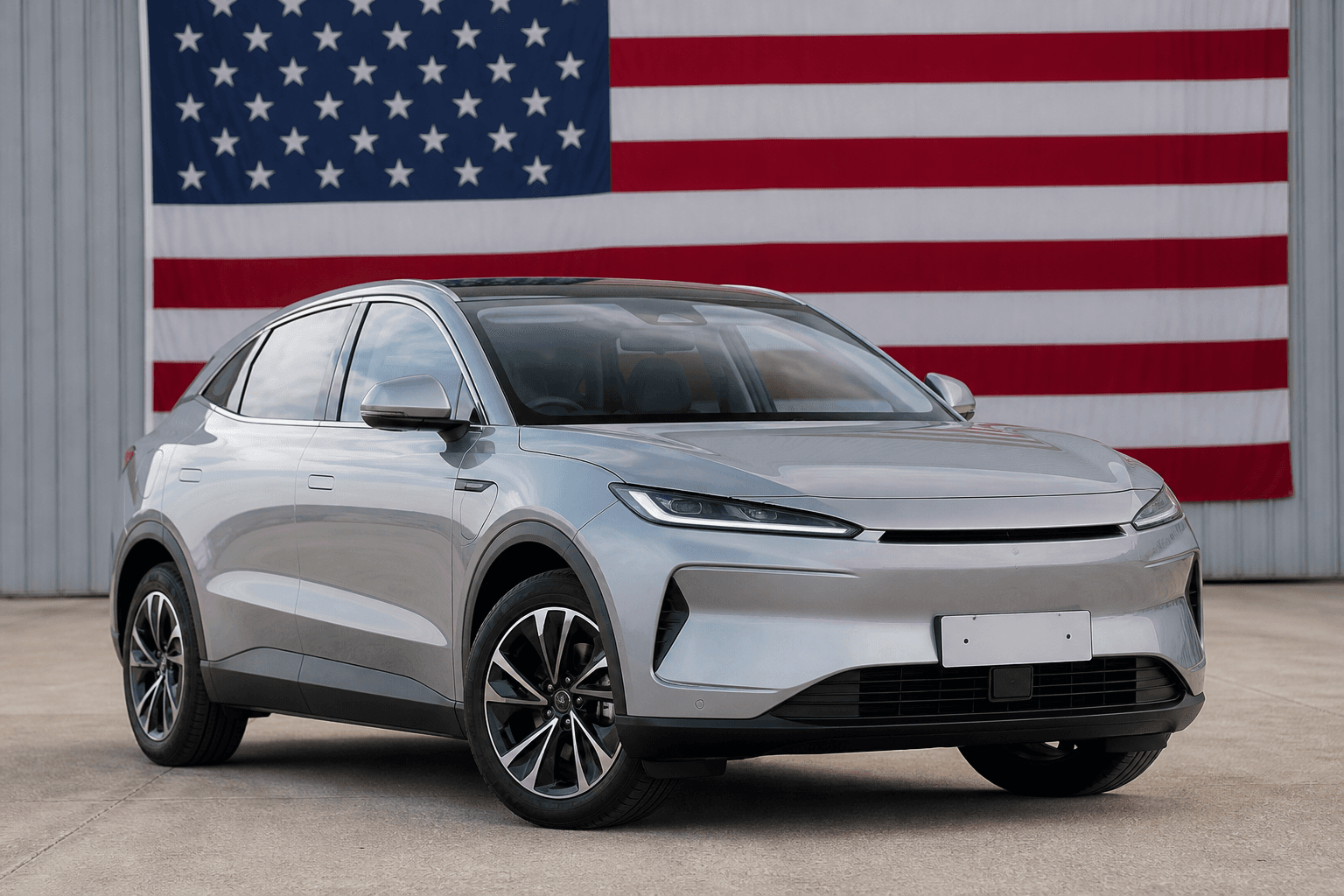
The US could unexpectedly ease its hard-line stance on Chinese electric cars. The claim comes from US Senator Elissa Slotkin, who has reported rumors of a possible agreement between President Donald Trump and Chinese leader Xi Jinping.
Slotkin provided no evidence or specifically named sources. The White House has also offered no official confirmation that opening the automotive market is to be part of the planned talks.
For now, this is a politically charged rumor, not an announced change in US government policy.
Meeting With Xi Jinping as a Possible Trigger
Trump and Xi are expected to meet on September 24. Trade and energy are likely to be among the main topics, meaning China’s rapidly expanding automotive industry could also make it onto the agenda, at least indirectly.
Slotkin has warned against making it easier for Chinese vehicles to enter the US market. However, her position is not neutral: She is one of the driving forces behind proposed legislation that would largely exclude vehicles and connected-vehicle technology linked to China and other countries classified as security risks.
Trump’s Previous Position Suggests a Different Solution
Fully opening the market to electric cars imported from China would contradict Trump’s trade strategy to date. At the same time, he has already said that Chinese manufacturers are welcome if they build factories in the US and create jobs there.
This suggests a possible middle ground: no unrestricted imports of inexpensive Chinese cars, but investment by Chinese companies in US production facilities. Such an arrangement could create manufacturing jobs while also easing some of the political concerns surrounding imports.
| Scenario | Possible consequence |
|---|---|
| Direct imports permitted | Greater price pressure and a wider choice of models, but fierce opposition over industrial policy and data security |
| Chinese brands manufacture in the US | New factories and jobs, combined with strict requirements for technology, data, and supply chains |
| Further restrictions | Chinese vehicles, software, and components remain largely excluded from the US market |
Security Concerns Extend Beyond the Finished Car
The US debate is not just about inexpensive electric cars. Connected vehicles collect and transmit large amounts of data, while cameras, cellular modules, driver-assistance systems, and cloud services are deeply integrated into their technical architecture.
That is precisely why US politicians are also targeting software, hardware, and corporate ownership stakes. A Senate-backed proposal would bar certain vehicles developed or produced in China from being sold starting in 2027. Restrictions on connected hardware and software could follow by the end of the decade if the proposal completes the full legislative process.
Criticism of Ford shows how far-reaching this approach could be. The company plans to manufacture battery cells in Michigan using licensed CATL technology, even though production itself would take place in the US. The strong position of LFP cells is also evident from a look at the Chinese battery market.
Polestar and Geely Illustrate the Complexity
Manufacturers with international operations are also being caught in the middle. Polestar has close ties to China’s Geely Group and has come under considerable pressure from tighter conditions in the US market.
This highlights a fundamental problem with the planned separation: Modern supply chains can hardly be divided neatly by nationality. A vehicle may be assembled in North America and positioned as European while still using Chinese battery technology or software, or having Chinese corporate ownership.
What Opening the Market Would Mean for the US
Chinese manufacturers have made significant gains in batteries, production costs, and development speed. Their entry into the market could therefore force US manufacturers to shorten model cycles and offer more affordable electric cars. At the same time, high regulatory barriers, local safety tests, and rules governing the handling of vehicle data would be expected.
The international expansion of Chinese brands has long been evident. They are becoming increasingly important in Europe despite additional trade barriers, as shown by trends in global EV sales. Canada and Mexico are also playing a growing role for Chinese manufacturers.
Implications for Germany, Austria, and Switzerland
For the DACH region—Germany, Austria, and Switzerland—a change in US policy would initially have no direct legal consequences. Chinese electric cars are already available in Europe, provided they meet the relevant approval requirements. Here, the debate focuses more heavily on competition, tariffs, local production, and fair government policy frameworks.
Nevertheless, opening the US market would have indirect implications. An additional major sales market could give Chinese manufacturers greater economies of scale. Continued protectionism, by contrast, would focus their attention even more strongly on Europe and other international markets.
Until an official statement is made, the alleged reversal remains pure speculation. Trump’s known position currently points more toward Chinese investment and manufacturing in the US than unrestricted approval of imported electric cars.