Dacia defends its price advantage with a new strategy
Dacia aims to take on growing competition from Chinese car brands without entering a discount war. Rather than offering short-term purchase incentives, the brand intends to emphasize stable residual values, an established dealer network and manageable running costs.
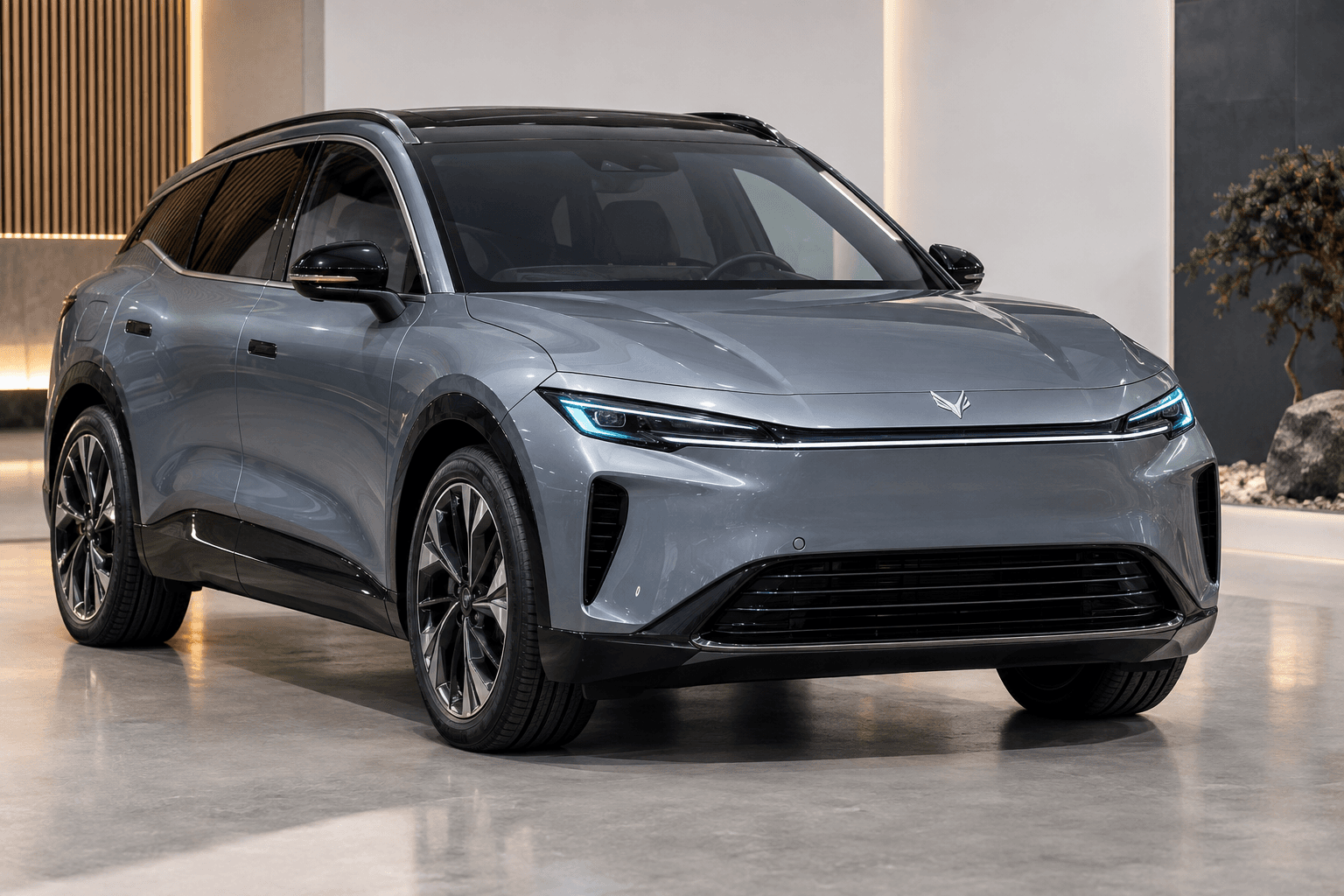
This marks a notable change in direction. Models such as the Sandero were long significantly cheaper than comparable vehicles, but that gap has narrowed. Dacia is cautiously moving beyond the purely low-cost segment, while manufacturers such as MG, Geely and Chery are pushing into Europe with efficient production and aggressively priced models.
For Dacia, it will no longer be just the purchase price that matters, but the vehicle’s value over the entire ownership period.
Why Dacia wants to avoid deep discounts
Large discounts can boost sales in the short term but weigh on used-car prices over the long term. If the expected residual value falls, lease payments often become more expensive, while total costs can also rise for private buyers.
Dacia therefore wants to stay as close as possible to clearly calculated list prices. This provides greater predictability for customers, dealers and leasing companies. Whether the strategy succeeds, however, will depend on how much pressure Chinese brands actually exert on prices in Germany, Austria and Switzerland.
| Strategic pillar | Benefit for Dacia | Potential customer benefit |
|---|---|---|
| Stable prices | Less pressure on used-car values | More predictable total costs |
| Dealer network | Broad presence and existing infrastructure | Easier access to advice and service |
| European positioning | Differentiation from new market entrants | Familiar brand and established spare-parts supply |
| Multiple powertrain options | Broader target audience | Choice of electric, hybrid and LPG |
The Dacia Spring remains the affordable electric option
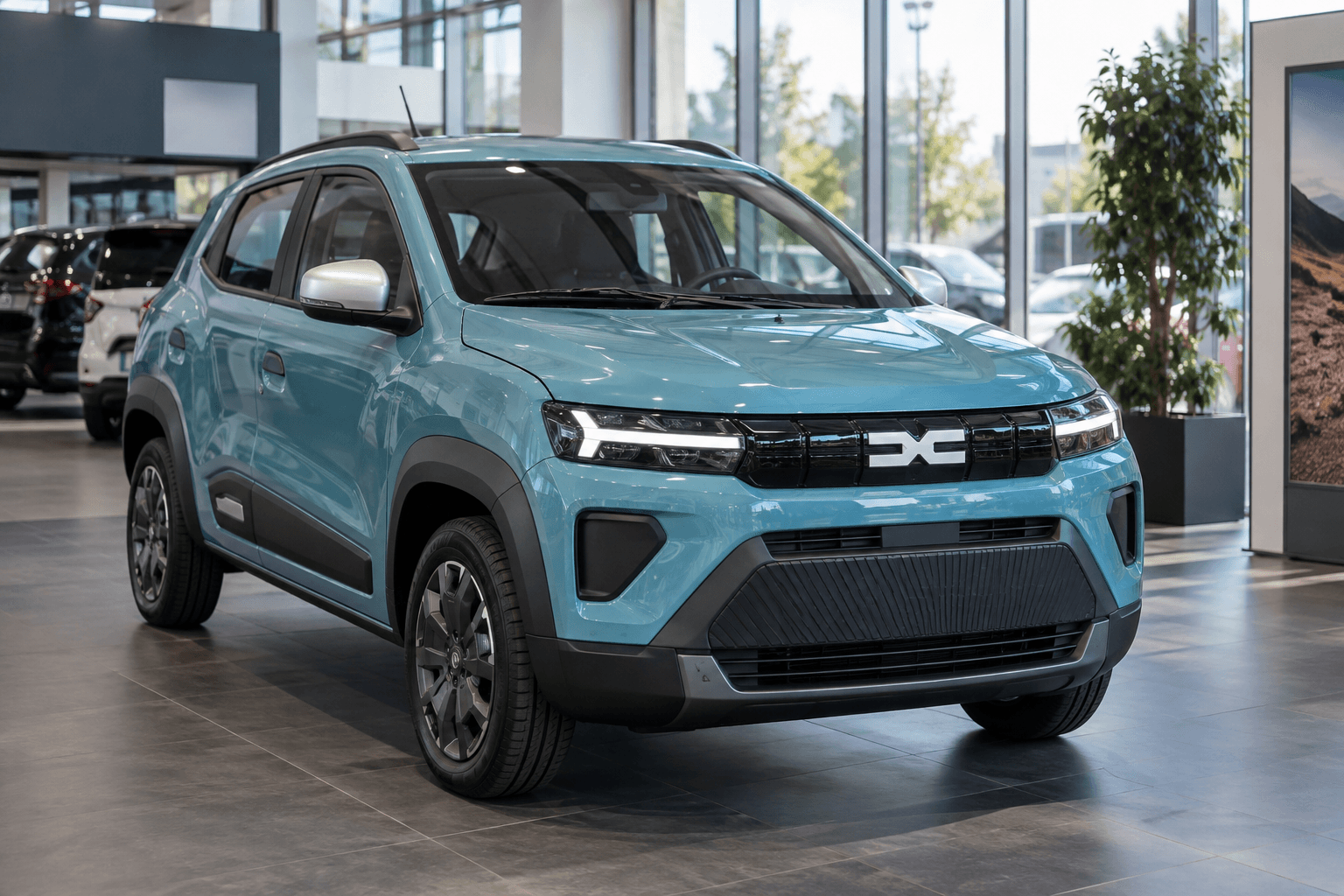
Even so, the strategy cannot work entirely without low entry-level prices. The electric Spring has a starting price of €17,990, making it one of the most affordable electric cars on the European market. Actual prices in the DACH region—Germany, Austria and Switzerland—may vary depending on the country, equipment and available incentives.
For the Spring, maximum range matters less than a low purchase price for urban driving and short commutes. The next generation is expected to develop the concept further and move more toward a mini-crossover. The plans announced so far for the 2027 Dacia Spring show that Dacia does not intend to surrender the entry-level segment to new competitors without a fight.
Nevertheless, the pressure is growing. With the announced Geely E2 for Europe, Chinese manufacturers are also targeting small electric cars priced below €20,000. Price, equipment and charging performance will face particularly intense comparisons in this segment.
Four electric cars planned by 2030
The Spring is intended to be just the beginning. Dacia plans to offer a total of four all-electric cars by 2030. The Sandero is also expected to be offered with both electric and hybrid powertrains in the future.
At the same time, traditional ways of reducing costs will remain important. These include LPG powertrains, which can provide lower running costs depending on regional fuel prices. The Duster and Bigster also complement the line-up with versions for customers who need more space or optional all-wheel drive.
What this strategy means for buyers
Dacia is not abandoning affordable cars, but it is defining the concept more broadly. A low list price remains important, but it is to be complemented by residual value, energy consumption, maintenance costs and everyday usability.
This could benefit buyers if the vehicles actually retain their value better. At the same time, Dacia must remain technologically competitive in electric cars, as Chinese brands often offer large batteries, extensive standard equipment and high charging speeds at aggressive prices.
The strategy is therefore not a retreat from price competition, but a shift in emphasis. Rather than offering the biggest discount, Dacia is focusing on delivering the most compelling value for money over several years.